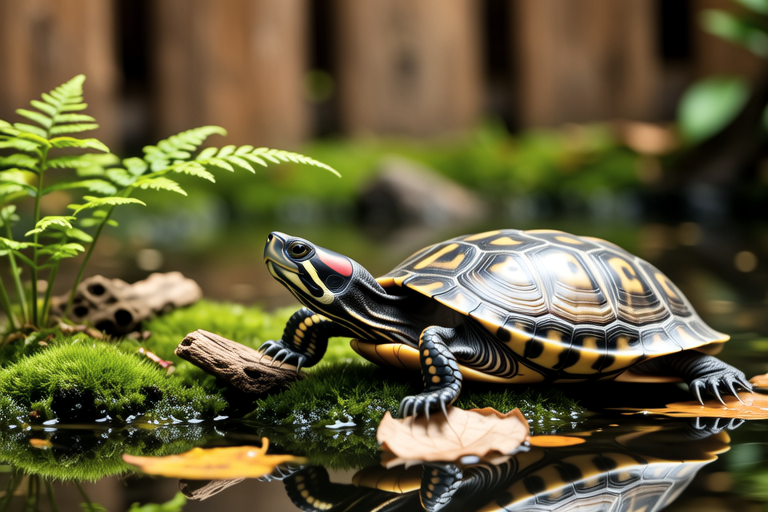
Setting Up the Ideal Habitat for Three-Striped Box Turtles
The three-striped box turtle (Terrapene carolina triunguis) is a popular choice among reptile enthusiasts due to its charming appearance and relatively manageable care requirements. However, providing an optimal living environment for these turtles is crucial to ensure their health and well-being. This guide will walk you through the essentials of setting up the perfect habitat for your three-striped box turtle, covering everything from substrate selection to dietary considerations.
Understanding the Natural Habitat
Before delving into the specifics of creating a suitable enclosure, it’s important to understand the natural habitat of the three-striped box turtle. Native to parts of the United States, including Texas, Oklahoma, Arkansas, Missouri, Kansas, and Louisiana, these turtles inhabit a variety of environments such as forests, grasslands, and wetlands. They prefer areas with plenty of vegetation, open spaces, and access to water sources. By mimicking these natural conditions in captivity, you can help ensure that your turtle thrives.
Enclosure Size and Setup
The size of the enclosure plays a significant role in the overall health and happiness of your three-striped box turtle. A minimum size of 4 feet by 2 feet (122 cm x 61 cm) is recommended for a single adult turtle. For multiple turtles or larger adults, a bigger space is necessary to allow for adequate movement and exploration. The enclosure should be sturdy enough to prevent escapes and should provide a secure environment.
When setting up the enclosure, consider the following:
- Substrate: Choose a substrate that mimics the turtle’s natural environment. Suitable options include coconut fiber, cypress mulch, or a mix of topsoil and sand. Avoid substrates like gravel or small pebbles, which can pose choking hazards.
- Temperature and Humidity: Maintaining the right temperature gradient and humidity levels is vital for your turtle’s health. Daytime temperatures should range between 75°F and 85°F (24°C to 29°C), while nighttime temperatures can drop slightly to around 70°F (21°C). Use thermometers placed at different points in the enclosure to monitor temperature variations. Maintain humidity levels between 60% and 80%, which can be achieved through regular misting and the presence of a shallow water dish.
- Lighting Needs: Proper lighting is essential for the health of your three-striped box turtle. Provide UVB lighting to facilitate calcium absorption and vitamin D3 production. A 10% UVB bulb is generally sufficient for indoor enclosures. Position the light so that it covers about half of the enclosure, allowing your turtle to bask under it if desired. Additionally, ensure there is a basking spot with a temperature of approximately 90°F (32°C).
- Hiding Spots: Incorporate several hiding spots within the enclosure to give your turtle places to retreat when feeling stressed or seeking privacy. These can be created using caves, tunnels, or overturned flower pots. Make sure they are large enough for your turtle to fit comfortably inside but not so spacious that they become difficult to access.
- Water Area: A shallow water dish should always be available for your turtle to soak in. The depth of the water should be no more than half the length of your turtle’s shell. Change the water daily to maintain cleanliness and prevent bacterial growth.
Dietary Considerations
A balanced diet is key to maintaining the health of your three-striped box turtle. Their diet should consist of a variety of foods to ensure they receive all necessary nutrients. In the wild, these turtles feed on a diverse array of plants, insects, and small vertebrates. Replicate this diversity in captivity by offering:
- Vegetables and Fruits: Dark leafy greens such as collard greens, dandelion greens, and romaine lettuce make excellent base ingredients. Supplement these with other vegetables like carrots, squash, and bell peppers. Occasional fruits like strawberries, blueberries, and apples can also be included but should be fed sparingly to avoid digestive issues.
- Protein Sources: Offer protein-rich foods such as mealworms, crickets, earthworms, and superworms. Commercial turtle pellets can serve as a convenient source of nutrition but should not form the sole component of the diet.
- Calcium and Vitamin Supplements: To support bone health, dust some of the food items with a high-quality calcium supplement twice weekly. Once per week, add a multivitamin supplement specifically formulated for reptiles.
Maintaining a Healthy Environment
To keep your three-striped box turtle healthy, regular maintenance of the enclosure is essential. Clean the enclosure thoroughly once every two weeks, removing any uneaten food, waste, and soiled substrate. Monitor the water quality and replace the water dish daily. Check for signs of illness, such as lethargy, loss of appetite, or abnormal behavior. If you notice any concerning symptoms, consult a veterinarian specializing in reptiles.
It’s also important to periodically evaluate the lighting system to ensure it continues to function properly. Replace UVB bulbs every six months, even if they still appear functional, as their effectiveness diminishes over time. Regularly inspect the enclosure for potential hazards, such as sharp edges or loose objects that could injure your turtle.
Tips for Beginners and Experienced Keepers
For beginners, starting with a basic setup that meets the minimum requirements is advisable. Gradually introduce more advanced features as you gain experience and confidence. Always research extensively before making changes to your turtle’s environment or diet. Experienced keepers may wish to experiment with different substrates or lighting setups, but should do so cautiously and monitor their turtle’s response carefully.
Both beginners and experienced keepers should invest in a good quality thermometer and hygrometer to accurately measure temperature and humidity levels within the enclosure. This allows for precise adjustments and helps maintain optimal conditions for your turtle’s health.
Conclusion
Creating an ideal habitat for your three-striped box turtle involves replicating their natural environment as closely as possible within a captive setting. By paying attention to details such as substrate, temperature, lighting, hiding spots, water areas, and dietary considerations, you can provide your turtle with a comfortable and stimulating home. Regular maintenance and monitoring are equally important to ensure ongoing health and happiness. With proper care, your three-striped box turtle can lead a long and fulfilling life.
