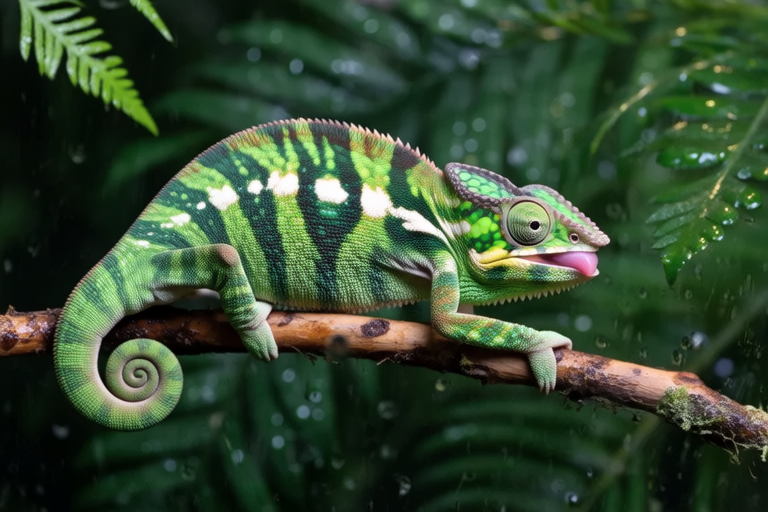
The Ultimate Guide: How to Care for Your First Chameleon
Welcome to the world of chameleons! These fascinating reptiles are known for their unique ability to change colors and their captivating eyes. However, they require specific care to thrive. This comprehensive guide will walk you through everything you need to know about caring for your first chameleon, from setting up the perfect habitat to addressing common health issues.
Choosing the Right Chameleon Species for Beginners
There are many chameleon species, but some are better suited for beginners due to their hardiness and ease of care. The panther chameleon (Furcifer pardalis) and veiled chameleon (Chamaeleo calyptratus) are popular choices for first-time owners. Panther chameleons are native to Madagascar and come in a wide range of colors, while veiled chameleons are found in Yemen and Saudi Arabia. Both species are relatively easy to care for, making them ideal for beginners.
Chameleon Habitat Setup
Creating a suitable environment is crucial for your chameleon’s well-being. Start by selecting an appropriately sized enclosure. A minimum of 24 inches in width, 24 inches in depth, and 36 inches in height is recommended for a single adult chameleon. Bigger is always better, as it allows for more climbing space and a more natural environment.
Chameleons are arboreal, meaning they spend most of their time in trees. Therefore, the enclosure should be designed with vertical space in mind. Use branches and vines to create multiple levels for climbing and resting. Live or artificial plants can also be added to provide hiding spots and increase humidity.
Substrate is another important consideration. Avoid using loose substrates like sand or gravel, as they can cause impaction if ingested. Instead, opt for a paper towel or reptile carpet, which is easier to clean and less likely to cause health issues.
Lighting and Heating Requirements
Proper lighting and heating are essential for your chameleon’s health. Chameleons require UVB light to synthesize vitamin D3, which is necessary for calcium absorption. A high-quality UVB bulb should be placed at one end of the enclosure, providing 10-12 hours of light per day. Make sure the bulb is within 6-12 inches of the basking area to ensure adequate exposure.
In addition to UVB lighting, chameleons need a heat source to regulate their body temperature. Use a ceramic heat emitter or a low-wattage reptile bulb to maintain a gradient of temperatures within the enclosure. The warm side should reach around 85-90°F (29-32°C), while the cool side should be around 75-80°F (24-27°C). This temperature gradient allows your chameleon to thermoregulate effectively.
Maintaining proper humidity is also important, especially for species like the panther chameleon, which come from humid environments. Aim for a humidity level of 50-70% during the day, dropping to 40-50% at night. Misting the enclosure twice daily with a spray bottle can help achieve this, but avoid creating standing water, as it can lead to bacterial growth.
Diet and Feeding Schedules
Chameleons are insectivores, meaning their diet consists primarily of insects. Crickets, dubia roaches, and silkworms are commonly fed to chameleons. It’s important to gut-load these insects before feeding them to your chameleon. Gut-loading involves feeding the insects a nutritious diet for 24-48 hours prior to offering them to your pet. This ensures that the chameleon receives additional nutrients when consuming the insects.
Vitamin and mineral supplementation is also necessary for a balanced diet. Dust the insects with a calcium supplement every other day and a multivitamin once a week. Be cautious not to over-supplement, as excessive vitamins can be harmful.
Feed your chameleon daily, offering as many insects as it can eat in about 15 minutes. Remove any uneaten insects after this time to prevent stress or injury to your chameleon.
Hydration Needs
Chameleons obtain most of their water intake through misting and droplets on leaves. Misting the enclosure twice daily, as mentioned earlier, helps provide the necessary moisture. Additionally, you can offer a shallow water dish, but many chameleons prefer to drink from water droplets on plants.
Encouraging your chameleon to drink is essential for its overall health. You can use a drip system, which slowly drips water onto leaves, mimicking rain in their natural habitat. Alternatively, you can hand-feed your chameleon using a syringe or pipette filled with water.
Handling Tips
Chameleons are delicate creatures and should be handled carefully. They are not social animals and may become stressed or agitated if handled too frequently. Limit handling to once a week, and always support their body when holding them. Avoid touching their tail, as it can break off easily.
When picking up your chameleon, gently scoop it up from below, supporting its body with both hands. Place it on a stable surface, such as a branch or perch, and allow it to climb onto your finger if it feels comfortable. Never grab your chameleon by the tail or limbs.
Common Health Issues
Like all pets, chameleons can develop health issues. Some common problems include metabolic bone disease (MBD), respiratory infections, and parasites. Metabolic bone disease occurs when there is a calcium deficiency, leading to weak bones and deformities. Respiratory infections can result from poor husbandry practices, such as inadequate ventilation or humidity levels. Parasites can be introduced through contaminated food or substrate.
To prevent these issues, maintain optimal environmental conditions, provide a balanced diet, and perform regular health checks. If you notice any signs of illness, such as lethargy, loss of appetite, or abnormal behavior, consult a veterinarian specializing in exotic pets.
Conclusion
Caring for a chameleon requires dedication and attention to detail. By following the guidelines outlined in this ultimate guide, you can ensure that your chameleon thrives in a safe and healthy environment. Remember to research your specific chameleon species and consult with experts when needed. With proper care, your chameleon will bring years of enjoyment and wonder to your home.
