The Fascinating Life of the Hotot Rabbit: From Farm to Furry Companion
The Hotot rabbit is an exquisite breed known for its striking appearance and fascinating history. This article delves into the unique characteristics, origins, habitat, diet, behavior, and care requirements of the Hotot rabbit, providing a comprehensive guide for both enthusiasts and newcomers.
Introduction: A Unique Appearance and Origins
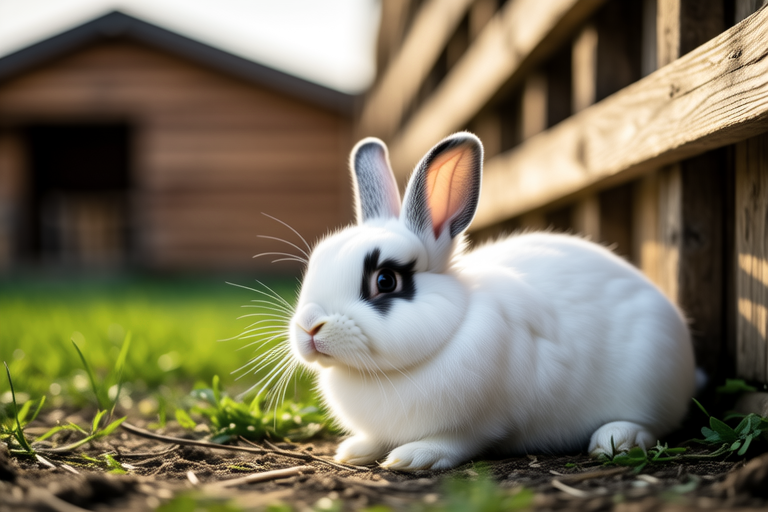
The Hotot rabbit is easily distinguishable by its all-white coat, which is framed by a dark ring around each eye, giving the impression of wearing mascara. This distinctive feature, combined with its petite size, makes it one of the most visually appealing rabbit breeds. The breed originated in France in the early 20th century, where it was developed by Eugène Émile Olievet, who aimed to create a rabbit with a pure white coat and contrasting eye markings.
A Rich History and Notable Characteristics
The breeding process involved crossing several rabbit breeds, including the Blanc de Hotot, Chinchilla, and Himalayan. The result was a rabbit that not only met Olievet’s aesthetic goals but also exhibited excellent meat and fur qualities. Over time, the Hotot rabbit became popular among farmers and breeders for its adaptability and resilience. Despite its initial success, the breed faced near extinction due to changing market demands. However, dedicated enthusiasts revived the Hotot, ensuring its survival for future generations.
One of the most notable characteristics of the Hotot rabbit is its relatively small size, making it an ideal pet for those with limited space. Adult Hotots typically weigh between 4 to 6 pounds, with females slightly larger than males. Their compact size, combined with their docile nature, makes them perfect companions for families and individuals alike.
Habitat and Diet: Farm to Home
In farm settings, Hotot rabbits thrive in spacious enclosures that provide ample room for movement and exercise. These enclosures should be well-ventilated and shielded from extreme weather conditions. The rabbits benefit from a balanced diet consisting of high-quality hay, fresh vegetables, and pellets specifically formulated for their nutritional needs. Farmers often supplement this diet with fruits and herbs to ensure a varied and enriching meal plan.
As pets, Hotot rabbits require similar living conditions. They need a large cage or hutch that allows for plenty of movement and provides protection from predators and harsh elements. Indoor accommodations are preferable, especially in colder climates. In addition to their primary diet of hay and pellets, Hotots enjoy fresh leafy greens such as romaine lettuce, parsley, and dandelion leaves. Owners must be cautious about feeding certain vegetables like iceberg lettuce and spinach, which can cause digestive issues.
Behavior and Temperament: Understanding Your Furry Friend
Hotot rabbits are generally calm and gentle, making them excellent pets for children and first-time owners. They are social animals that appreciate regular interaction and playtime with their human companions. Due to their inquisitive nature, Hotots enjoy exploring their surroundings and engaging in activities that stimulate their minds and bodies.
Owners should provide toys and enrichment items to keep their Hotot entertained and mentally stimulated. Puzzle feeders, tunnels, and chew toys are great options for keeping these intelligent creatures engaged. Additionally, Hotots benefit from supervised outdoor play sessions, allowing them to explore safe environments and engage in natural behaviors.
Care Requirements: Ensuring a Happy and Healthy Hotot
Proper grooming is essential for maintaining the Hotot rabbit’s pristine appearance. Their short, dense fur requires weekly brushing to prevent matting and remove loose hair. During shedding season, more frequent grooming may be necessary. Bathing should be avoided unless absolutely necessary, as it can strip the rabbit’s skin of essential oils.
Veterinary care is crucial for ensuring the health and longevity of your Hotot rabbit. Regular check-ups, vaccinations, and dental care are important aspects of their healthcare routine. Owners should familiarize themselves with common rabbit ailments, such as gastrointestinal stasis and dental problems, and seek prompt medical attention if symptoms arise.
Growing Popularity and Tips for Potential Owners
The Hotot rabbit has gained increasing popularity as a pet due to its charming appearance and friendly demeanor. Many people are drawn to the breed’s unique eye markings and compact size, making it an attractive choice for those seeking a low-maintenance companion animal. As interest in the Hotot grows, so does the availability of reputable breeders and rescue organizations dedicated to promoting responsible ownership.
For those considering adding a Hotot rabbit to their family, there are several factors to consider. First, prospective owners should research local breeders and rescue groups to find a reputable source. It is important to meet the rabbit in person before making a decision, ensuring compatibility and good health. Additionally, potential owners should prepare their home by setting up appropriate living spaces and gathering necessary supplies, such as food, bedding, and toys.
Once you bring your new Hotot rabbit home, take the time to establish a routine that includes regular feeding, grooming, and playtime. Encourage gentle handling and positive reinforcement training to build trust and strengthen the bond between you and your furry friend. By providing a loving and supportive environment, you can ensure a happy and healthy life for your Hotot rabbit.
