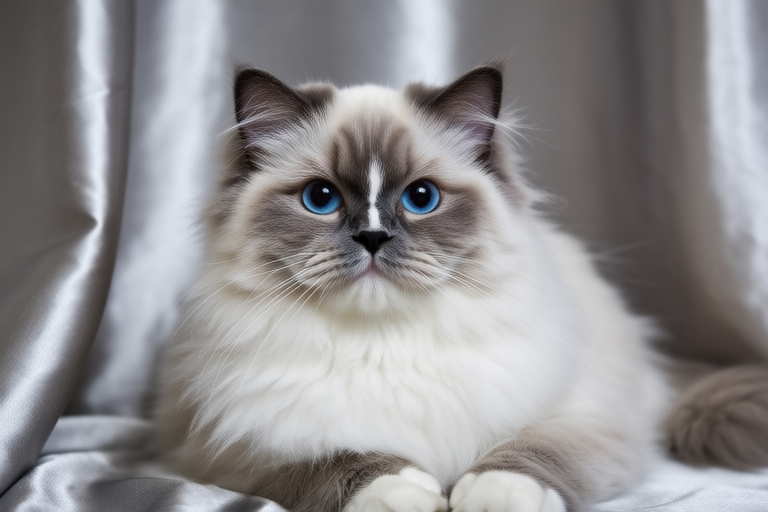
7 Common Myths About Persian Cats Busted!
Persian cats have been captivating the hearts of cat enthusiasts for centuries. Known for their luxurious long coats, round faces, and expressive eyes, these felines are one of the most popular cat breeds in the world. Their regal appearance and gentle demeanor make them a favorite among both first-time and experienced pet owners. However, like any beloved breed, Persian cats come with a set of myths that can mislead potential owners. In this article, we will debunk seven common misconceptions about Persian cats, providing you with accurate and helpful information.
Myth 1: Persian Cats Are High-Maintenance Due to Their Long Fur
Myth: Persian cats require constant grooming and are too much work for busy individuals.
This is a common misconception. While it’s true that Persian cats have long, luxurious coats that need regular maintenance, they don’t necessarily require constant attention. Daily brushing is recommended to prevent matting and reduce shedding, but the time required for grooming can be managed efficiently. Additionally, there are low-maintenance Persian variations, such as the traditional shorthair Persian, which require less grooming. With proper care and the right tools, maintaining a Persian cat’s coat can be a rewarding experience rather than a burden.
Myth 2: Persian Cats Are Prone to Obesity
Myth: Persian cats tend to become overweight easily due to their sedentary nature.
While Persian cats are known for being more laid-back compared to other breeds, they are not inherently prone to obesity. Like all cats, Persians need a balanced diet and regular exercise to maintain a healthy weight. Providing them with a nutritious diet and interactive toys can help keep them active and fit. Regular veterinary check-ups are also essential to monitor their health and adjust their diet if necessary. According to the American Animal Hospital Association (AAHA), obesity in cats can lead to various health issues, including diabetes and arthritis, making it crucial to manage their weight.
Myth 3: Persian Cats Can Only Live Indoors
Myth: Persian cats must live exclusively indoors to avoid outdoor dangers.
This is a myth that has some truth but is often overstated. Persian cats are indeed better suited for indoor living due to their delicate coats and sensitive respiratory systems, which can be affected by outdoor elements. However, with proper precautions, such as keeping them on a leash or in a secure outdoor enclosure, Persian cats can enjoy some time outside under controlled conditions. It’s important to weigh the benefits and risks before deciding whether to allow your Persian cat outdoors.
Myth 4: Persian Cats Are Always Quiet and Reserved
Myth: Persian cats are silent and shy, making them unsuitable for families.
Persian cats are often perceived as aloof and quiet, but they can be quite affectionate and social when given the opportunity. They are known for their gentle and calm demeanor, which makes them excellent companions for those seeking a peaceful home environment. However, they can also be playful and engage with their owners through interactive play sessions. Each cat is unique, and their personality can vary based on individual traits and upbringing. With proper socialization from a young age, Persian cats can be loving and interactive members of any family.
Myth 5: Persian Cats Are Prone to Respiratory Issues
Myth: Persian cats suffer from severe breathing difficulties due to their flat faces.
This is a concern that many potential Persian cat owners have, but it is not entirely accurate. While Persian cats do have brachycephalic features (flat faces) that can predispose them to some respiratory issues, advancements in breeding practices have significantly reduced the severity of these problems. Selective breeding has focused on improving the respiratory health of Persian cats, resulting in fewer cases of serious respiratory distress. Regular veterinary care and maintaining a clean living environment are key to ensuring your Persian cat’s respiratory health.
Myth 6: Persian Cats Require Special Diets
Myth: Persian cats need a special diet formulated specifically for their breed.
This is another misconception. While Persian cats may have specific dietary needs related to their coat health and overall well-being, they do not require a specialized diet beyond what is recommended for all cats. A high-quality commercial cat food that meets the nutritional requirements of your cat should suffice. Consultation with a veterinarian can help determine the best diet for your Persian cat, taking into account factors such as age, activity level, and any existing health conditions.
Myth 7: Persian Cats Are Expensive to Own
Myth: Owning a Persian cat is prohibitively expensive.
The cost of owning a Persian cat can vary depending on factors such as the breeder, location, and additional expenses like grooming and veterinary care. While purchasing a Persian cat from a reputable breeder can be costly, the ongoing costs of caring for a Persian cat are comparable to those of other cat breeds. Regular veterinary check-ups, good quality food, and occasional grooming are the primary expenses associated with owning a Persian cat. By adopting from shelters or rescue organizations, potential owners can also find Persian cats at lower costs.
Conclusion: Responsible Pet Ownership for Persian Cat Owners
Owning a Persian cat can be a delightful experience filled with love and companionship. By understanding and addressing the myths surrounding this breed, potential owners can make informed decisions about whether a Persian cat is the right fit for their lifestyle. Responsible pet ownership involves providing your cat with proper care, attention, and a nurturing environment. Whether you’re a seasoned cat owner or considering adding a Persian cat to your family, remember that the rewards of sharing your life with a Persian cat far outweigh the challenges.
Before bringing a Persian cat into your home, take the time to research and prepare adequately. This includes understanding the breed’s specific needs, setting up a comfortable living space, and consulting with a veterinarian to ensure your new companion is healthy and happy. With the right approach, you and your Persian cat can enjoy many years of companionship and joy together.
