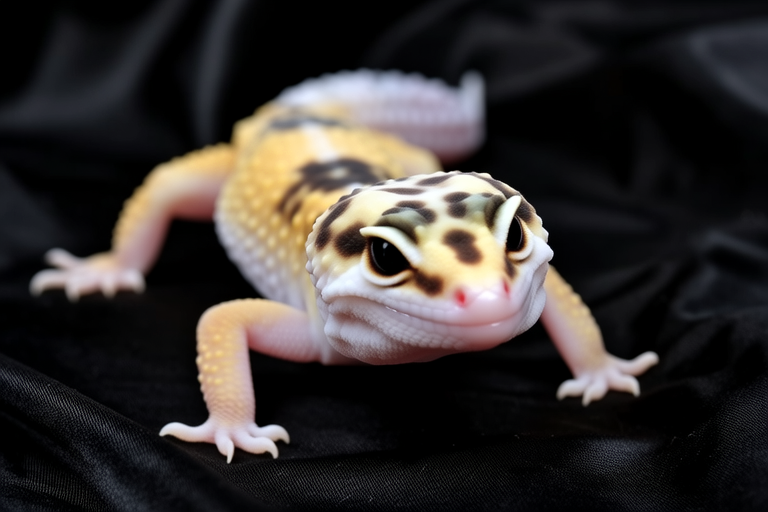
Unveiling the Secrets Behind Leopard Gecko Color Morphs
In the vibrant world of exotic pets, few creatures capture the imagination like the leopard gecko (Eublepharis macularius). Known for their docile nature and ease of care, these geckos have become a favorite among reptile enthusiasts. One of the most intriguing aspects of leopard geckos is their diverse array of color morphs. These variations not only add aesthetic appeal but also offer insight into the complex interplay of genetics, evolution, and selective breeding.
What Are Color Morphs?
Color morphs refer to distinct variations in appearance within a species, primarily characterized by differences in coloration, pattern, and sometimes size. In leopard geckos, these morphs can range from subtle shifts in base color to dramatic changes in spotting patterns or the complete absence of spots. Each morph is the result of specific gene combinations that dictate the production of pigments and the arrangement of scales.
The Genetic Basis for Different Color Morphs
The genetic foundation of leopard gecko color morphs lies in the interaction of multiple genes, each responsible for different aspects of appearance. The most significant genes include:
- Albino: This mutation affects the production of melanin, leading to a lack of dark pigmentation. Albino geckos typically have red eyes and white bodies with yellow spots.
- Hypo: Hypomelanistic geckos have reduced melanin, resulting in lighter skin tones and more prominent patterns.
- Patternless: These geckos lack spots entirely, showcasing a uniform color across their bodies.
Geneticists often refer to these as recessive traits, meaning both parents must carry the gene for it to manifest in offspring. Understanding these genetic principles is crucial for breeders aiming to produce specific morphs.
Popular Color Morphs: Unique Traits and Breeding Considerations
Albino Leopard Geckos
Albinism is one of the most striking mutations in leopard geckos. Their bright red eyes and pale skin make them stand out. However, albino geckos require special care due to their sensitivity to light. Providing UVB lighting is essential for calcium metabolism, but excessive exposure can damage their sensitive eyes. A balanced diet rich in calcium and vitamin D3 is necessary to prevent metabolic bone disease.
Hypo Leopard Geckos
Hypomelanistic geckos are characterized by their lighter coloration and enhanced patterns. They are generally easier to care for than albinos but still benefit from a nutrient-rich diet. Hypo geckos come in various shades, including tangerine, lavender, and snow. Breeders often cross hypo geckos with other morphs to create unique hybrids.
Patternless Leopard Geckos
Patternless geckos, also known as ‘blizzards,’ have smooth, unmarked skin. Their uniform appearance can vary from solid white to deep black. These geckos are highly sought after for their elegance. Patternless geckos require careful attention to temperature and humidity to maintain their health.
History and Evolution of Color Morphs
The exploration of leopard gecko color morphs began in the early 1980s when hobbyists started breeding geckos with specific traits. Over time, advancements in genetic understanding and selective breeding techniques led to the development of numerous morphs. Initially, simple traits like albinism were the focus, but as knowledge expanded, more complex combinations emerged. Today, the reptile community celebrates the diversity of these geckos, with competitions and expos dedicated to showcasing the best examples.
Caring for Geckos with Specific Morphs
Regardless of morph, all leopard geckos share similar basic care requirements. However, certain morphs may need additional attention:
- Temperature and Humidity: Maintain a warm basking spot (around 90°F) and cooler areas (75-80°F). High humidity (40-60%) aids shedding, particularly beneficial for patternless geckos.
- Diet: Feed a variety of insects, dusted with calcium and vitamins. Albinos and hypomelanic geckos may require more frequent feeding to meet their nutritional needs.
- Lighting: Provide UVB lighting for calcium absorption, especially for albinos. Use protective filters to avoid eye damage.
Current Trends and Future Possibilities
The world of leopard gecko morphs continues to evolve. Recent trends include the development of new hybrid morphs combining multiple traits. Advances in genetic testing allow breeders to predict outcomes more accurately, reducing the guesswork involved in breeding. Additionally, ethical breeding practices emphasize health over novelty, ensuring the longevity of the species.
Looking ahead, genetic engineering might offer new opportunities for creating morphs that would be impossible through traditional breeding. However, such developments raise ethical questions about the welfare of animals involved. As the community grows, it’s essential to balance innovation with responsibility.
Conclusion
Leopard gecko color morphs represent a fascinating intersection of genetics, aesthetics, and care. From the delicate beauty of albino geckos to the sleek elegance of blizzards, each morph offers a unique glimpse into the complexity of life. Whether you’re a novice or an experienced enthusiast, there’s always something new to discover in the captivating world of leopard gecko color morphs.
