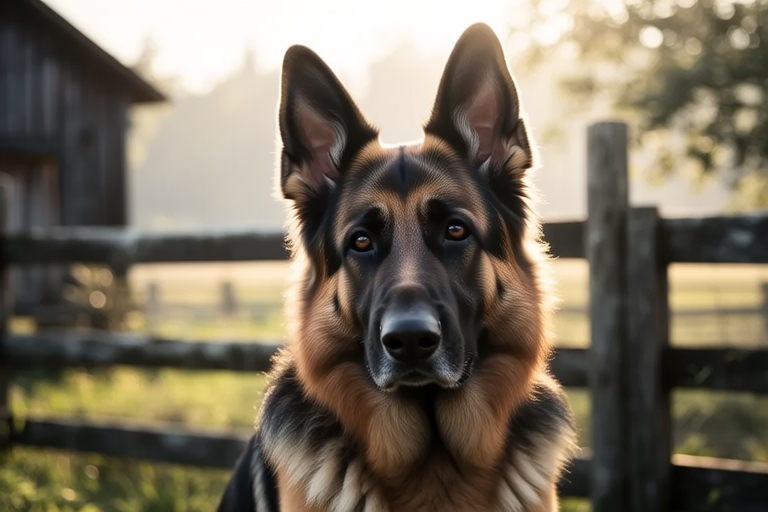
The Evolution of German Shepherds: From Herders to Versatile Companions
German Shepherds, renowned for their intelligence, loyalty, and versatility, have evolved significantly since their origins as herding dogs in rural Germany. This article explores the historical origins of German Shepherds, highlighting key milestones in their evolution, influential figures, and genetic traits that have shaped their development. It also discusses their various roles today, dispels common misconceptions, and emphasizes the importance of responsible breeding and care.
Origins and Early Development
The history of German Shepherds can be traced back to the late 19th century when they were primarily used as herding dogs in rural Germany. Farmers and shepherds needed dogs that could efficiently manage large flocks of sheep and cattle. These dogs were selected for their agility, intelligence, and strong herding instincts. The breed’s early development was influenced by the need for dogs that could navigate challenging terrains and perform complex tasks under varied conditions.
In 1882, Captain Max von Stephanitz, a German cavalry officer, played a pivotal role in the formalization of the German Shepherd breed. Von Stephanitz admired the intelligence and versatility of these herding dogs and sought to standardize their appearance and temperament. He founded the Verein für Deutsche Schäferhunde (SV), the first German Shepherd club, in 1899. Von Stephanitz aimed to create a versatile working dog capable of excelling in various roles beyond herding. His vision laid the foundation for the breed’s future development.
Breeding Practices and Genetic Traits
Through selective breeding, von Stephanitz and other breeders focused on enhancing the German Shepherd’s physical attributes and mental capabilities. They prioritized traits such as strength, endurance, and problem-solving skills. The breed’s distinctive features, including its robust build, thick coat, and expressive eyes, reflect these breeding goals. German Shepherds were bred to be agile, adaptable, and resilient, making them ideal for a wide range of tasks.
The breed’s intelligence is one of its most defining characteristics. German Shepherds possess high levels of cognitive ability, enabling them to learn complex commands and perform intricate tasks. Their loyalty and protective nature further enhance their suitability for various roles, from family pets to service animals. Additionally, their adaptability allows them to thrive in diverse environments, from urban settings to remote wilderness areas.
Modern-Day Roles and Versatility
Today, German Shepherds are among the most popular dog breeds globally, recognized for their versatility and reliability. They excel in numerous fields, including law enforcement, military operations, search and rescue missions, and therapeutic services. Their intelligence, loyalty, and adaptability make them invaluable assets in these roles.
Police and military units often rely on German Shepherds for their tracking abilities, explosive detection, and apprehension skills. Their keen sense of smell and ability to follow scent trails make them highly effective in locating missing persons or identifying dangerous substances. Furthermore, their protective instincts and obedience training enable them to assist officers during high-risk situations.
German Shepherds also serve as therapy dogs, providing emotional support and comfort to individuals in hospitals, nursing homes, and schools. Their gentle demeanor and affectionate nature help alleviate stress and anxiety, fostering positive interactions between patients and caregivers. Therapy dogs play a crucial role in promoting mental well-being and improving quality of life for those in need.
As family pets, German Shepherds offer unwavering loyalty and companionship. Their protective nature ensures the safety of their human families, while their playful and affectionate personalities make them beloved members of households worldwide. Despite their size and strength, German Shepherds can coexist peacefully with children and other pets when properly socialized and trained.
Common Misconceptions and Responsible Breeding
Despite their widespread popularity, German Shepherds face several misconceptions that can lead to misunderstandings about the breed. One common misconception is that all German Shepherds are aggressive or overly protective. While some individuals may exhibit these traits, proper socialization and training can mitigate these behaviors. Another misconception is that German Shepherds require minimal exercise or attention. In reality, they are an active breed that thrives on mental and physical stimulation.
To ensure the health and temperament of German Shepherds, responsible breeding practices are essential. Breeders must prioritize the well-being of their dogs and adhere to ethical standards. This includes conducting thorough health screenings, avoiding inbreeding, and selecting breeding pairs based on desirable traits. Responsible breeding helps maintain the breed’s overall health and reduces the risk of inherited disorders.
Additionally, owners play a vital role in shaping their German Shepherd’s behavior and temperament. Providing regular exercise, mental stimulation, and positive reinforcement training fosters a well-adjusted and obedient companion. Socializing puppies from an early age helps them develop good manners and prevents behavioral issues later in life. By investing time and effort into their dogs’ care and training, owners contribute to the breed’s continued success and reputation.
Conclusion
The evolution of German Shepherds from herding dogs in rural Germany to versatile working dogs and beloved family pets reflects their adaptability and resilience. Influential figures like Captain Max von Stephanitz and selective breeding practices have shaped the breed’s development, emphasizing intelligence, loyalty, and versatility. Today, German Shepherds excel in various roles, including law enforcement, military operations, search and rescue missions, and therapeutic services. Their popularity as family pets further underscores their value as companions. By addressing common misconceptions and promoting responsible breeding and care, we can ensure the continued success and well-being of this remarkable breed.
