The Complete Guide to Caring for Your American Shorthair
Introduction to the American Shorthair Breed
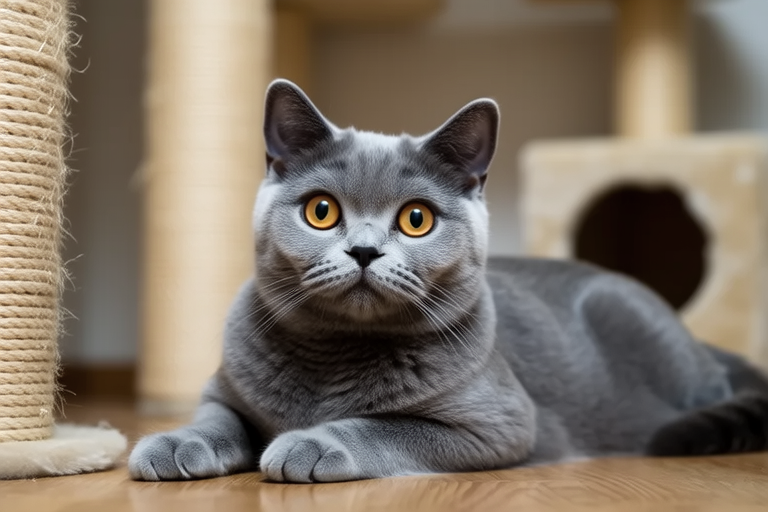
The American Shorthair is one of the oldest breeds in North America, known for its robust health and gentle temperament. This breed has been selectively bred over centuries, resulting in a cat that is both strong and adaptable. American Shorthairs are medium to large-sized cats with a broad chest, muscular body, and a short, dense coat. Their coats come in various colors and patterns, adding to their charm. They are generally calm, friendly, and get along well with children and other pets.
Ideal Living Conditions and Space Requirements
American Shorthairs are versatile and can thrive in various environments, from apartments to houses. However, they require a safe and secure indoor environment to prevent them from contracting diseases or getting into accidents outdoors. While they are adaptable, providing them with a spacious area to move around is ideal. A roomy living space with plenty of hiding spots, climbing structures, and toys will keep them entertained and mentally stimulated. Outdoor enclosures or catio setups can also provide a safe outdoor experience if desired.
Detailed Dietary Needs and Feeding Schedule
A balanced diet is crucial for maintaining the health of your American Shorthair. High-quality commercial cat food that meets the nutritional standards set by organizations like AAFCO (Association of American Feed Control Officials) is recommended. The diet should include a mix of proteins, fats, carbohydrates, vitamins, and minerals. Wet food can be supplemented with dry kibble to ensure proper hydration. Cats should be fed two meals a day, spaced evenly throughout the day. Avoid feeding them human foods, as some can be toxic to cats. Always provide fresh water and monitor their weight to prevent obesity.
Grooming Routines and Bathing Frequency
The American Shorthair’s short, dense coat requires minimal grooming but still benefits from regular brushing to remove loose hair and distribute natural oils. Brushing once or twice a week is usually sufficient. Bathing is generally unnecessary unless the cat gets particularly dirty or develops a skin condition. Use a gentle, cat-specific shampoo and ensure thorough rinsing to avoid leaving any residue. Regular nail trimming, ear cleaning, and dental hygiene are also important aspects of grooming. Dental chews or toys designed to promote oral health can help maintain their dental hygiene.
Exercise and Playtime Recommendations
Despite their laid-back nature, American Shorthairs need regular physical activity to stay fit and healthy. Interactive play sessions with toys such as feather wands, laser pointers, and puzzle feeders can stimulate their minds and bodies. Providing scratching posts, climbing trees, and tunnels can encourage natural behaviors and keep them active. Daily play sessions of about 15-30 minutes are recommended. Mental stimulation through interactive games and puzzles can also help prevent boredom and destructive behavior.
Health Issues Common to the Breed and Prevention Tips
While generally healthy, American Shorthairs can be prone to certain genetic conditions, including hypertrophic cardiomyopathy, polycystic kidney disease, and hip dysplasia. Regular veterinary check-ups can help catch these issues early. Maintaining a healthy weight and avoiding obesity is crucial for preventing joint problems. A balanced diet and regular exercise contribute to overall health. Routine vaccinations, parasite control, and dental care are also essential preventive measures.
Training Methods and Socialization Techniques
Early socialization is vital for American Shorthairs to develop good behavior and adaptability. Positive reinforcement training using treats, praise, and toys can help teach basic commands and discourage unwanted behaviors. Gentle handling and exposure to different people, animals, and environments from an early age can foster a confident and well-adjusted cat. Consistency and patience are key when training, as cats learn best through repetition and positive experiences.
Tips for Choosing the Right Vet and Regular Check-Ups
Selecting a veterinarian who specializes in feline medicine and has experience with American Shorthairs is important. Look for a vet who offers comprehensive services, including routine check-ups, vaccinations, dental care, and emergency services. Establish a relationship with your chosen vet early on to ensure continuity of care. Regular check-ups every six months can help monitor your cat’s health and address any concerns promptly. Vaccinations, flea and worm treatments, and dental cleanings should be part of your routine.
Advice on Handling Separation Anxiety or Other Behavioral Issues
Separtion anxiety and other behavioral issues can be managed through consistent routines, mental stimulation, and positive reinforcement. Providing a comfortable, enriched environment with toys, scratching posts, and cozy spaces can help ease anxiety. Gradual desensitization to being left alone, starting with short absences and gradually increasing duration, can also be effective. If issues persist, consulting a professional animal behaviorist may be necessary.
Conclusion Summarizing Key Care Points for a Happy, Healthy American Shorthair
In conclusion, caring for an American Shorthair involves providing a loving, stimulating home environment, a nutritious diet, regular exercise, and attentive grooming. By addressing potential health issues proactively, ensuring socialization, and seeking professional advice when needed, you can ensure your cat leads a long, happy, and healthy life. With proper care and attention, your American Shorthair will be a cherished companion for years to come.
