Golden British Shorthair Care Guide: Tips for Happier, Healthier Cats
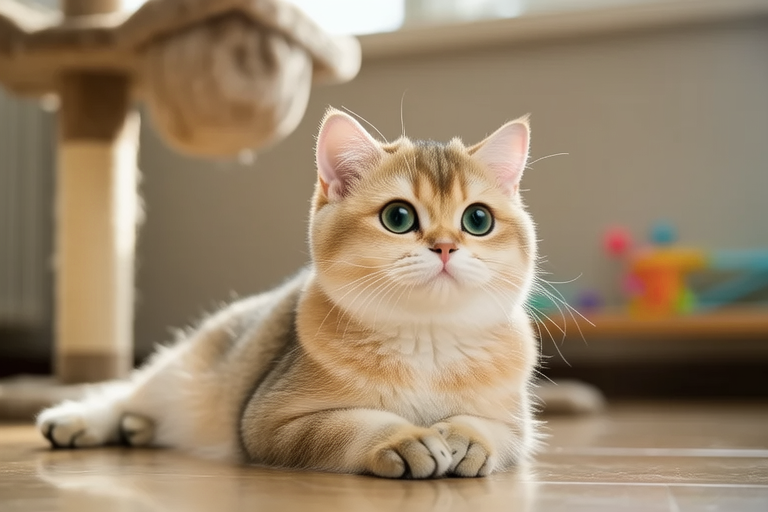
The Golden British Shorthair is a charming and distinctive breed, known for its striking golden coat and gentle temperament. These cats are often referred to as the ‘teddy bear’ of the feline world due to their plush, dense fur and round faces. Their calm and affectionate nature makes them perfect companions for families and individuals alike. Understanding the unique needs of this breed can help ensure that your Golden British Shorthair leads a long, healthy, and happy life.
Diet and Nutrition
Proper nutrition is crucial for maintaining the health and vitality of your Golden British Shorthair. As with all cats, they require a balanced diet rich in protein, fats, and essential nutrients. High-quality commercial cat food, either wet or dry, formulated specifically for their age, size, and activity level is recommended. Wet food can be particularly beneficial as it provides more moisture, which can aid in hydration.
Avoid feeding your cat human food, especially those containing onions, garlic, chocolate, caffeine, or alcohol, as these can be toxic. Fresh water should always be available to prevent dehydration. Consult with your veterinarian about supplements if you believe your cat’s diet may be lacking in certain vitamins or minerals.
Exercise and Playtime
Despite their somewhat sedentary reputation, Golden British Shorthairs still need regular exercise to maintain a healthy weight and stimulate their minds. Engage them in interactive play sessions using toys like feather wands, laser pointers, or puzzle feeders. These activities not only keep them physically active but also mentally engaged, preventing boredom and potential behavioral issues.
Provide scratching posts and climbing structures to encourage natural behaviors and promote muscle development. Rotate toys periodically to keep interest levels high. Incorporating short, frequent play sessions throughout the day can also help mimic their hunting instincts.
Grooming Needs
The Golden British Shorthair’s thick, luxurious coat requires regular grooming to prevent matting and hairballs. Brush them at least once a week, increasing frequency during shedding seasons. This helps remove loose hair and distribute skin oils, keeping their coat shiny and healthy. Bathing is generally unnecessary unless your cat gets into something particularly messy.
Regular dental care is also important. Use toothbrushes and pet-safe toothpaste to clean their teeth at least twice a week. This prevents gum disease and bad breath. Additionally, check their ears weekly for signs of infection or wax buildup, and clean them gently if necessary.
Common Health Issues and How to Address Them
Golden British Shorthairs are generally healthy, but like all breeds, they are prone to specific health conditions. Hypertrophic cardiomyopathy (HCM), a heart condition, is one such issue. Regular veterinary check-ups can help detect early signs. Obesity is another concern, so monitor your cat’s weight and adjust their diet and exercise accordingly.
Eye problems, such as progressive retinal atrophy, are less common but can affect some Golden British Shorthairs. Genetic testing can identify carriers of these conditions, aiding in responsible breeding practices. Early detection through routine eye exams by a veterinary ophthalmologist can significantly improve outcomes.
Creating a Stimulating Environment and Bonding Activities
To create a stimulating environment, provide plenty of vertical space for climbing and perching. Cat trees, window perches, and shelves can offer new perspectives and opportunities for exploration. Interactive toys and puzzles challenge their minds and provide mental stimulation.
Bonding activities are essential for building a strong relationship with your cat. Spend quality time each day playing, grooming, and simply sitting together. Positive reinforcement training can teach them fun tricks and commands, enhancing communication and trust between you both.
Regular Vet Care and Vaccinations
Annual veterinary check-ups are vital for monitoring your Golden British Shorthair’s overall health. During these visits, discuss any concerns you may have about their behavior, appetite, or physical appearance. Your veterinarian can provide guidance on appropriate care based on your cat’s specific needs.
Vaccinations protect against serious diseases like rabies, feline leukemia, and panleukopenia. Follow your veterinarian’s recommendations regarding frequency and timing. Parasite control, including flea, tick, and heartworm prevention, should also be part of your cat’s healthcare routine.
In conclusion, taking good care of your Golden British Shorthair involves providing proper nutrition, regular exercise, adequate grooming, addressing health issues promptly, creating a stimulating environment, and maintaining regular vet care. By following these guidelines, you can ensure that your Golden British Shorthair enjoys a happy and healthy life. Remember, every cat is unique, so tailor your approach to meet the individual needs of your furry friend.
