The Chilean Rose Tarantula’s Secret Life: Facts You Didn’t Know About This Iconic Species
The Chilean Rose Tarantula, also known as Grammostola rosea, has captured the hearts of many exotic pet enthusiasts with its striking appearance and docile temperament. This iconic species, native to the deserts of South America, is one of the most popular tarantulas kept as pets due to its manageable size and relatively low maintenance requirements. In this article, we will explore the secret life of the Chilean Rose Tarantula, uncovering fascinating facts that you might not have known about this remarkable creature.
Natural Habitat and Behavior
Originating from the deserts of Argentina, Bolivia, Paraguay, and Uruguay, the Chilean Rose Tarantula thrives in arid environments. These habitats are characterized by sparse vegetation, rocky terrain, and limited water sources. The tarantula’s natural environment plays a significant role in shaping its behavior. In the wild, these spiders are primarily nocturnal, hunting for prey under the cover of darkness. They spend most of their daylight hours resting in burrows or under rocks, conserving energy for their nightly activities.
Chilean Rose Tarantulas are solitary creatures, living alone except during mating season. Their burrows serve multiple purposes, providing shelter, protection from predators, and a place to store food. The females are particularly adept at constructing elaborate burrow systems, which they may inhabit for several years. Males, on the other hand, tend to be more transient, moving between different locations in search of mates.
Unique Physical Characteristics
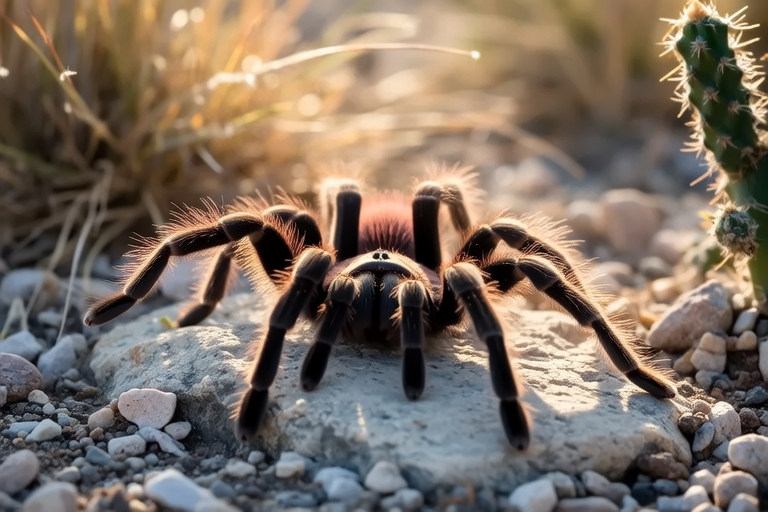
One of the most striking features of the Chilean Rose Tarantula is its coloration. Juveniles exhibit a vibrant pink hue, which gradually fades to a more muted brownish-pink as they mature. This color change serves as a form of camouflage, helping the spider blend into its desert surroundings. Despite its name, the Chilean Rose Tarantula does not always appear pink; some individuals display subtle hints of purple or even a light green tint.
Another distinguishing characteristic of this species is its robust body structure. Chilean Rose Tarantulas possess thick, powerful legs that enable them to dig burrows and capture prey efficiently. Their large fangs, capable of delivering a potent bite, are used primarily for subduing and consuming smaller insects. Additionally, the tarantula’s hairy legs and abdomen serve multiple functions, including sensory perception and protection from environmental hazards.
Diet and Breeding Habits
In the wild, the Chilean Rose Tarantula feeds predominantly on small insects such as crickets, grasshoppers, and beetles. Captive specimens can be fed a similar diet, supplemented with occasional treats like mealworms or wax moths. It is important to note that overfeeding can lead to obesity and related health issues, so portion control is essential. A balanced diet ensures optimal growth and longevity for these fascinating creatures.
Breeding season typically occurs during the spring and summer months when temperatures and humidity levels are favorable. Male Chilean Rose Tarantulas reach sexual maturity around two years of age, while females take slightly longer, usually maturing between three and four years. During courtship, males engage in elaborate displays, waving their front legs and tapping the ground with their pedipalps to attract females. If successful, the female will lay her eggs within a specially constructed nursery chamber, where she will guard them until they hatch.
Defending Against Predators
Despite their formidable appearance, Chilean Rose Tarantulas face numerous threats from predators in their natural habitat. To protect themselves, these spiders have developed several defense mechanisms. One of the most effective strategies involves the release of urticating hairs from their abdomen. When threatened, the tarantula will flick these tiny barbed hairs at potential attackers, causing irritation and discomfort. This tactic is particularly useful against mammals and birds, which may attempt to eat the spider.
In addition to urticating hairs, Chilean Rose Tarantulas can also deliver a venomous bite if cornered or provoked. However, their venom is generally considered mild, and bites rarely cause serious harm to humans. Instead, the venom serves as a last resort for subduing prey or deterring larger predators. By combining these defensive tactics, Chilean Rose Tarantulas are well-equipped to survive in their challenging desert environment.
Myths Versus Realities
Over the years, numerous myths and misconceptions have arisen regarding tarantulas, particularly concerning their venom and aggression levels. One common misconception is that all tarantulas are highly aggressive and dangerous. While it is true that some species can be unpredictable or territorial, the Chilean Rose Tarantula is generally regarded as one of the most docile and easy-to-handle tarantulas available. In fact, many experienced keepers consider them ideal candidates for beginners.
Another widespread myth involves the potency of tarantula venom. Contrary to popular belief, the venom of most tarantulas, including the Chilean Rose Tarantula, is not lethal to humans. Instead, it primarily affects small insects, paralyzing them before consumption. While a bite from a Chilean Rose Tarantula can be painful and cause localized swelling, it is unlikely to result in severe complications for healthy adults. As with any animal, proper handling techniques and respect for personal boundaries are essential to prevent unnecessary confrontations.
Tips for Pet Owners
If you’re considering adding a Chilean Rose Tarantula to your family, there are several factors to keep in mind. First and foremost, ensure that you are prepared for the long-term commitment involved in caring for these fascinating creatures. Tarantulas can live for up to 20 years, so it’s crucial to establish a stable and enriching environment from the outset. A well-designed enclosure, complete with appropriate substrate, hiding spots, and temperature controls, will provide your pet with the comfort and security it needs to thrive.
Proper feeding practices are equally important. Provide a varied diet consisting of appropriately sized insects, and monitor your tarantula’s eating habits closely. Overfeeding can lead to obesity, while underfeeding may result in malnutrition. Regular cleaning of the enclosure is also necessary to maintain hygiene and prevent the buildup of harmful bacteria. Finally, handle your tarantula with care, respecting its need for solitude and minimizing disturbances during critical periods such as molting or breeding.
In conclusion, the Chilean Rose Tarantula is a truly remarkable species, offering endless fascination for both seasoned arachnophiles and curious beginners alike. By understanding its natural habitat, behavior, and unique characteristics, we can gain valuable insights into the secret life of this iconic tarantula. With responsible ownership and thoughtful care, you can enjoy the companionship of a Chilean Rose Tarantula for many years to come.
