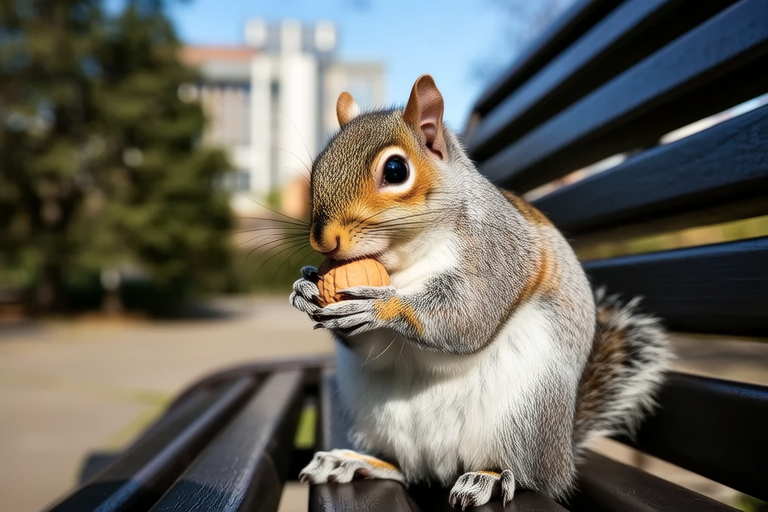
Meet the Adorable Squirrels Taking Over Urban Areas
Welcome to the bustling world of urban wildlife, where our furry friends, the squirrels, have made themselves at home. These agile creatures, with their bushy tails and inquisitive eyes, have found a way to thrive amidst the concrete jungles of our cities. From bustling metropolises to quaint suburban neighborhoods, squirrels have become a common sight, captivating both residents and visitors alike. In this article, we will explore the fascinating behaviors, adaptability, and increasing presence of squirrels in urban environments, providing you with an engaging insight into their lives.
The Behavior of Urban Squirrels
Urban squirrels display a range of behaviors that make them uniquely suited to city life. One of their most notable traits is their exceptional agility. Whether leaping between buildings, scampering up trees, or darting across busy streets, squirrels possess remarkable balance and coordination. Their acrobatic skills allow them to navigate the urban landscape with ease, often leaving onlookers in awe of their dexterity.
Squirrels are also highly social animals, forming complex social hierarchies within their communities. They engage in various forms of communication, including vocalizations, body language, and scent marking. These interactions help establish territories, attract mates, and warn others of potential threats. For instance, when a squirrel senses danger, it may emit a series of sharp chirps or chatter to alert its companions. This behavior serves as a crucial survival mechanism in the unpredictable urban environment.
Adaptability and Habitat Preferences
One of the reasons squirrels have thrived in urban areas is their remarkable adaptability. They have successfully adjusted to the challenges posed by human-made structures, adapting their natural instincts to suit their new surroundings. Squirrels are opportunistic feeders, meaning they can survive on a wide variety of foods, from nuts and seeds to fruits and vegetables. In cities, they have expanded their diet to include human leftovers, birdseed, and even discarded food items.
Urban squirrels prefer habitats that offer a combination of open spaces and sheltered areas. Parks, gardens, and green roofs provide ideal environments for them, offering ample opportunities for foraging and nesting. Trees, whether native or introduced, play a vital role in their lives, serving as both homes and sources of food. Many cities have implemented urban forestry programs, planting trees specifically to support wildlife, including squirrels. These initiatives have helped create more welcoming environments for these adaptable creatures.
Scientific Insights: Diet and Habitat
From a scientific perspective, squirrels’ diet and habitat preferences reveal much about their ability to thrive in urban settings. Research has shown that urban squirrels tend to consume more human-provided food than their rural counterparts. While this may seem like a negative adaptation, it actually demonstrates their flexibility and resourcefulness. By incorporating a diverse range of food sources, squirrels increase their chances of survival in an environment where natural resources may be limited.
Moreover, studies have highlighted the importance of green spaces in urban areas for supporting wildlife. A well-maintained park or garden can provide squirrels with essential resources, such as shelter, food, and water. In addition to traditional tree species, many cities have introduced non-native trees that offer year-round food sources, further enhancing the squirrels’ ability to thrive. Scientists continue to study the impact of urbanization on wildlife, seeking ways to create more sustainable habitats for these adaptable creatures.
Cities Where Squirrels Have Thrived
Several cities around the world have become famous for their thriving squirrel populations. One such example is Washington D.C., where squirrels have become an iconic part of the city’s identity. The National Mall, with its vast green spaces and abundant trees, provides an ideal habitat for these creatures. Visitors to the area often encounter squirrels scurrying along pathways or perched on benches, adding to the charm of the city’s public spaces.
Another city known for its urban squirrels is San Francisco. Golden Gate Park, one of the largest urban parks in the United States, offers squirrels a sanctuary within the heart of the city. The park’s lush landscapes, filled with native and exotic plant species, provide ample opportunities for squirrels to find food and shelter. Residents and tourists alike enjoy observing these playful creatures as they go about their daily routines.
London, England, is another city where squirrels have successfully adapted to urban life. The expansive green spaces of Hyde Park and Regent’s Park offer squirrels a haven in the midst of the bustling city. These parks serve as important refuges for wildlife, supporting a diverse array of species, including squirrels. The presence of squirrels in London’s parks has become a beloved aspect of the city’s character, attracting both locals and visitors.
Challenges and Benefits of Urban Squirrels
While the presence of squirrels in urban areas brings many benefits, it also presents certain challenges. One of the main challenges is the risk of disease transmission between squirrels and humans. Some diseases, such as leptospirosis, can be transmitted through contact with infected urine or feces. However, the risk of contracting these diseases is generally low, and proper hygiene practices can further reduce the likelihood of transmission.
Another challenge is the potential for conflicts between squirrels and humans. Squirrels can sometimes cause damage to property, such as gnawing on electrical wires or entering attics. To mitigate these issues, it is important to implement humane solutions, such as installing deterrents or sealing entry points. Encouraging coexistence rather than confrontation is key to maintaining a harmonious relationship with urban wildlife.
Despite these challenges, squirrels bring numerous benefits to urban areas. They contribute to the ecological health of cities by dispersing seeds and controlling insect populations. Their presence also enhances the aesthetic appeal of urban environments, adding a touch of nature to concrete landscapes. Furthermore, observing squirrels in their natural habitat can provide valuable learning experiences for children and adults alike, fostering a greater appreciation for wildlife and the importance of conservation efforts.
Encouraging Curiosity and Appreciation
The increasing presence of squirrels in urban areas offers a unique opportunity to foster curiosity and appreciation for wildlife. By understanding and respecting these creatures, we can learn valuable lessons about adaptability, resilience, and the importance of preserving natural habitats. Encouraging coexistence with urban wildlife promotes a healthier, more sustainable environment for all.
Consider taking a closer look at the squirrels in your own neighborhood. Observe their behaviors, take note of their interactions with other animals, and reflect on the role they play in the ecosystem. You might be surprised by what you discover! Remember, every interaction with wildlife, no matter how brief, can deepen your connection to the natural world and inspire a greater sense of responsibility toward protecting it.
In conclusion, the adorable squirrels taking over urban areas are more than just cute critters; they are resilient survivors who have found a way to thrive in the face of urbanization. Their adaptability, social behaviors, and contributions to urban ecosystems make them a fascinating subject of study and admiration. By embracing these furry friends, we can create more inclusive and sustainable cities that celebrate the beauty and diversity of life in all its forms.
