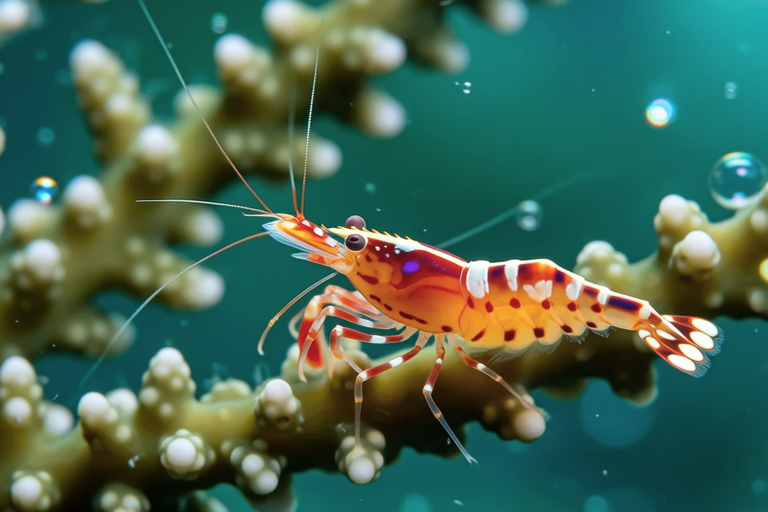
Discover the Vibrant World of Coral Shrimp: Perfect Saltwater Aquarium Beauties
Welcome to the fascinating world of coral shrimp! These small, colorful crustaceans are increasingly becoming a favorite among saltwater aquarium enthusiasts. With their vibrant hues and unique behaviors, coral shrimp bring a touch of the ocean’s magic into your home. This article will guide you through the essentials of keeping these captivating creatures, from understanding their natural habitat to ensuring they thrive in your aquarium.
The Allure of Coral Shrimp
Coral shrimp, also known as Stenopus hispidus
, are small, colorful crustaceans that come in various shades of red, white, and blue. Their distinctive appearance, characterized by long antennae and spiky legs, makes them stand out in any aquarium. These shrimp are not only visually appealing but also beneficial to the marine ecosystem. In the wild, they play a crucial role in maintaining the health of coral reefs by cleaning algae and debris from the surfaces of corals and rocks.
Natural Habitat and Behavior
In their natural habitat, coral shrimp can be found in tropical and subtropical waters, typically residing at depths between 1 and 30 meters. They are often seen in crevices or under ledges, where they hide from larger predators. Coral shrimp are generally peaceful and non-aggressive, making them ideal inhabitants for community tanks. However, they are territorial within their own species, so it’s best to limit their number in the aquarium to avoid conflicts.
These shrimp are active during the day, often seen scurrying about the tank, exploring nooks and crannies. They are known for their cleaning behavior, which involves removing algae and detritus from surfaces. This activity not only keeps the tank clean but also promotes the health of corals and other reef organisms.
Setting Up the Ideal Tank Environment
To ensure your coral shrimp thrive in captivity, it’s essential to replicate their natural habitat as closely as possible. Start by selecting a tank size appropriate for your setup. A minimum of 20 gallons is recommended, but larger tanks offer more space for exploration and hiding spots.
The water parameters are crucial for the well-being of coral shrimp. Maintain a temperature range of 72-80°F (22-27°C) and a salinity level of 1.023-1.025 specific gravity. Regular water changes are necessary to keep the water quality high; aim for 10-20% every two weeks. Use a protein skimmer to help maintain water clarity and reduce nitrate levels.
Provide ample hiding spots and caves for the shrimp to retreat to when feeling threatened. Incorporate live rock and coral into the tank, which not only serves as shelter but also mimics their natural environment. Live rock also contributes to biological filtration, helping to maintain stable water conditions.
Suitable Tank Mates
Coral shrimp are peaceful and get along well with most other marine species. However, it’s important to choose tank mates carefully to avoid aggressive interactions. Compatible species include:
- Peaceful fish like clownfish, damsels, and gobies
- Non-aggressive invertebrates such as hermit crabs and sea stars
- Other small, non-predatory shrimp species
Avoid housing coral shrimp with larger, more aggressive fish or invertebrates that may view them as prey. Additionally, refrain from keeping them with species that might compete for food or territory.
Dietary Requirements
Coral shrimp are omnivores, meaning they consume both plant and animal matter. In the wild, they feed on algae, detritus, and small invertebrates. To meet their nutritional needs in captivity, provide a varied diet that includes:
- High-quality marine flake food and pellets
- Algae wafers and sheets
- Live or frozen foods such as brine shrimp, mysis shrimp, and daphnia
Ensure that the food provided is appropriately sized for the shrimp. Overfeeding can lead to poor water quality, so monitor their feeding habits and remove any uneaten food after 30 minutes.
Common Challenges and Solutions
Despite their hardiness, coral shrimp can face certain challenges in captivity. One common issue is stress, which can manifest as reduced activity or hiding excessively. To alleviate stress, provide plenty of hiding spots and avoid sudden changes in water parameters. Introduce new shrimp gradually to allow them to acclimate to their environment.
Another challenge is ensuring proper water quality. Poor water conditions can lead to health issues such as bacterial infections or molting problems. Regular water testing and maintenance are key to preventing these issues. Perform water changes regularly and use appropriate filtration systems to maintain optimal water quality.
The Benefits of Keeping Coral Shrimp
Adding coral shrimp to your saltwater aquarium offers numerous benefits. Not only do they add a splash of color and movement, but they also contribute to the overall health of the tank. Their cleaning behavior helps maintain the tank’s aesthetic appeal and supports the growth of corals and other reef organisms.
Moreover, coral shrimp are relatively easy to care for, making them an excellent choice for both novice and experienced aquarists. Their presence encourages a thriving and balanced aquatic ecosystem, fostering a sense of accomplishment and enjoyment for aquarium hobbyists.
Conclusion
From their vibrant colors to their unique behaviors, coral shrimp are truly remarkable creatures that bring life and beauty to saltwater aquariums. By understanding their natural habitat and providing the right environment, you can ensure these captivating shrimp thrive in your tank. With proper care and attention, coral shrimp will reward you with years of enjoyment and a thriving aquatic ecosystem.
