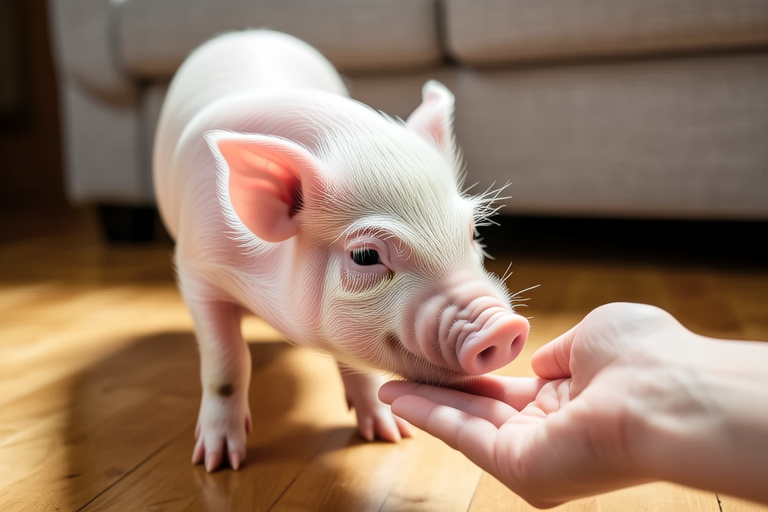
Piggy Banking on Love: Caring for Your New Mini Pet Companion
The world of pet ownership has seen a significant shift in recent years, with more and more people seeking unconventional companions. Among these alternative choices, mini pigs have emerged as a popular option. These pint-sized versions of their larger counterparts offer a unique blend of intelligence, loyalty, and charm that can captivate even the most seasoned pet lovers. In this article, we’ll explore the joys and responsibilities of owning a mini pig, providing you with all the information you need to make your new pet feel at home.
The Rise of Mini Pigs as Companions
Mini pigs have become increasingly popular as pets due to their compact size, which makes them suitable for apartment living or smaller homes. Unlike their larger relatives, mini pigs are typically smaller than a full-grown dog, making them easier to manage in terms of space and resources. Their endearing personalities and high intelligence also contribute to their appeal. Mini pigs are known for their social nature, often forming strong bonds with their human families. They are highly trainable and can learn tricks, making them entertaining and engaging companions.
Understanding Your Mini Pig
Before bringing a mini pig into your home, it’s essential to understand their unique characteristics and needs. Mini pigs are intelligent animals that require mental stimulation and social interaction. They thrive in environments where they can explore and interact with their surroundings. Providing them with toys and puzzles can help keep their minds active and prevent boredom, which might lead to destructive behavior.
Nutrition
Proper nutrition is crucial for the health and well-being of your mini pig. A balanced diet should include a variety of fruits, vegetables, grains, and proteins. It’s important to avoid feeding them sugary treats or foods high in fat, as these can lead to obesity and other health issues. Consult with a veterinarian to create a diet plan that meets your mini pig’s specific nutritional needs. Always provide fresh water and ensure that their food is stored properly to maintain its quality.
Housing Requirements
Mini pigs need a safe, comfortable living space that allows them to move around freely. While they can live indoors, it’s important to create a designated area outside for them to spend time in. This outdoor space should be secure, with fencing to prevent escapes. Inside, provide a cozy sleeping area with bedding, such as straw or hay. Mini pigs are sensitive to temperature changes, so ensure their living space is warm during colder months and cool during warmer ones. Regular cleaning of their living areas is necessary to maintain hygiene and prevent odors.
Exercise Needs
Regular exercise is vital for maintaining the health and happiness of your mini pig. Daily walks or playtime in a secure outdoor area will help keep them physically fit and mentally stimulated. Consider setting up an obstacle course or providing toys that encourage physical activity. Exercise not only helps with weight management but also reduces stress and anxiety, promoting overall well-being.
Grooming Tips
Grooming your mini pig is an essential part of caring for them. Regular brushing helps remove dirt and loose hair, preventing matting and skin irritation. Bathing should be done sparingly, as too frequent bathing can strip their skin of natural oils. Use a gentle shampoo designed for pigs, and rinse thoroughly to avoid any residue. Trimming nails regularly is also important to prevent overgrowth, which can cause discomfort or injury. Ears should be checked and cleaned regularly to prevent infections.
Addressing Common Misconceptions
One of the most common misconceptions about mini pigs is that they are easy to care for. While they may be smaller than their larger counterparts, they still require a significant amount of attention and care. Another misconception is that mini pigs can be left alone for extended periods. In reality, they are social animals that thrive on interaction and companionship. It’s important to research and understand the true nature of mini pigs before deciding to bring one into your home.
Training and Bonding Techniques
Training your mini pig is not only fun but also beneficial for both you and your pet. Positive reinforcement techniques, such as rewarding good behavior with treats or praise, work well with mini pigs. Consistency is key when teaching commands or tricks. Spend time each day working on training exercises to strengthen the bond between you and your pet. Bonding activities, like playing fetch or going for walks together, can also enhance the connection and deepen the relationship.
The Long-Term Commitment
Owning a mini pig is a long-term commitment that requires dedication and patience. Mini pigs can live for 10 to 15 years, so it’s important to consider the time and resources required to care for them throughout their lifespan. This includes regular veterinary check-ups, vaccinations, and ongoing training and socialization. Despite the challenges, the rewards of having a mini pig as a companion are immeasurable. Their loyalty, affection, and unique personality make them cherished members of many households.
In conclusion, welcoming a mini pig into your life is a decision that should be made thoughtfully and with careful consideration. By understanding their needs and providing them with the love and care they deserve, you can enjoy a rewarding and fulfilling companionship. Remember, a mini pig is not just a pet; they are a family member who will bring joy and laughter to your home for many years to come.
