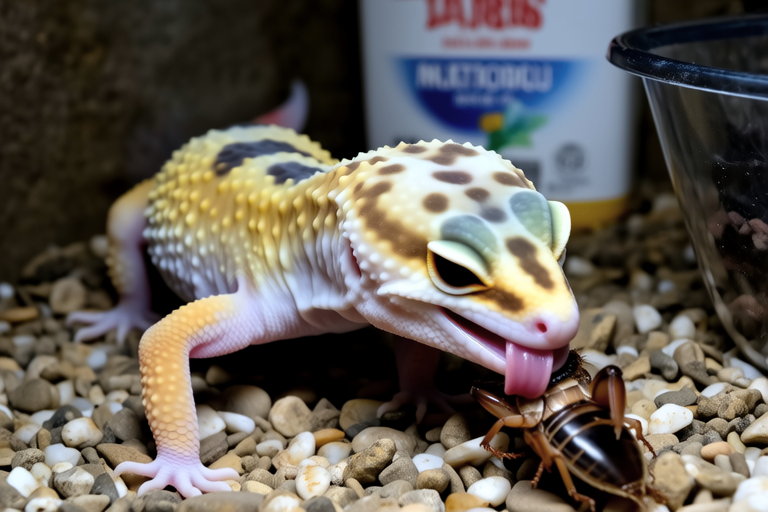
Leopard Gecko Diet Secrets: What and How Much to Feed Your Gecko
Welcome to the fascinating world of leopard geckos! These small, charismatic reptiles have become increasingly popular among pet owners due to their relatively easy care requirements and docile nature. However, one crucial aspect of keeping a leopard gecko healthy and happy is providing it with the right diet. A well-balanced diet ensures that your gecko remains vibrant, active, and free from health issues. In this article, we will delve into the dietary needs of leopard geckos, exploring what they should eat, how much, and how often.
The Importance of a Balanced Diet
Leopard geckos are insectivores, meaning their diet primarily consists of insects. They require a varied diet rich in proteins, fats, vitamins, and minerals to maintain optimal health. A balanced diet supports growth, reproduction, and overall well-being. Without it, geckos can suffer from malnutrition, leading to weakened immune systems, stunted growth, and other serious health problems.
Essential Components of the Leopard Gecko Diet
Live Insects
The cornerstone of a leopard gecko’s diet is live insects. Crickets, mealworms, and waxworms are commonly fed to these reptiles, each offering different nutritional benefits:
- Crickets: High in protein and low in fat, crickets are excellent for daily feeding. They also encourage natural hunting behavior, which can be mentally stimulating for your gecko.
- Mealworms: Rich in calcium, mealworms are particularly beneficial for growing geckos and pregnant females. However, they should be offered sparingly due to their higher fat content.
- Waxworms: Often used as treats due to their high-fat and calorie content, waxworms should be given infrequently to prevent obesity.
Gut-Loading Feeder Insects
Simply feeding your gecko live insects isn’t enough; you need to ensure those insects themselves are nutritious. Gut-loading involves feeding the insects a nutrient-rich diet before they are offered to your gecko. This process enhances the nutritional value of the insects, ensuring your gecko receives essential vitamins and minerals. You can purchase specialized gut-loading diets or create a simple mix of fruits, vegetables, and commercial insect food.
Dusting with Supplements
In addition to gut-loading, dusting feeder insects with supplements is vital for preventing deficiencies. Calcium powder, especially with vitamin D3, helps prevent metabolic bone disease, a common issue in geckos. Multivitamin powders provide additional nutrients, but they should be used sparingly to avoid overdosing.
Frequency and Quantity of Food
The amount and frequency of food depend on several factors, including the gecko’s age, size, and activity level:
Newborn and Juvenile Geckos
Young geckos grow rapidly and require frequent feedings. Offer them small crickets or mealworms daily, adjusting the quantity based on their appetite. As they grow, increase the size of the insects proportionally.
Adult Geckos
Adult geckos generally need fewer feedings compared to juveniles. Feed adult geckos three to five times a week, providing a variety of insects. Monitor their weight and activity levels to determine if adjustments are necessary.
Recognizing Signs of Overfeeding or Malnutrition
Overfeeding can lead to obesity, while underfeeding can result in malnutrition. Watch for these signs:
- Overfeeding: Excessively plump body, lethargy, reduced activity, and difficulty moving.
- Malnutrition: Weight loss, dull skin, swollen limbs, and weak grip.
If you notice any of these symptoms, consult a veterinarian specializing in reptiles.
Maintaining a Clean Environment
A clean habitat is crucial for your gecko’s health. Regularly remove uneaten insects and droppings to prevent contamination. Clean the enclosure thoroughly every few weeks, replacing substrate and disinfecting surfaces. A clean environment reduces the risk of bacterial infections and promotes better digestion.
Monitoring Your Gecko’s Weight and Overall Health
Regularly check your gecko’s weight and overall health. Use a digital scale to weigh your gecko weekly, noting any significant changes. Healthy geckos should maintain a consistent weight within a reasonable range. If your gecko’s weight fluctuates excessively, consider adjusting its diet and consulting a veterinarian.
By understanding and implementing these diet secrets, you can ensure your leopard gecko enjoys a long, healthy life. Remember, a well-fed gecko is a happy gecko!
