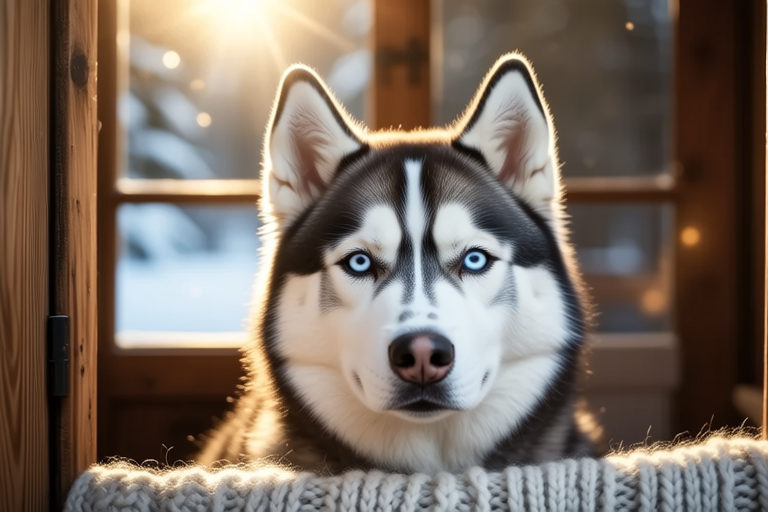
From Tundra to Couch: How Siberian Huskies Conquer Hearts
The story of the Siberian Husky is one that begins in the icy reaches of the far north, where the vast, snow-covered tundra stretches endlessly under skies that seem to kiss the horizon. These majestic dogs, with their piercing blue eyes and thick, plush coats, have a history deeply rooted in the rugged landscapes of Siberia. They were originally bred by the Chukchi people, an indigenous group from northeastern Asia, to serve as working dogs in their daily lives.
The Origins of the Siberian Husky
In the harsh, unforgiving environment of the tundra, survival was paramount. The Chukchi people relied heavily on their dogs for transportation, hauling sleds laden with supplies across long distances. The Siberian Husky’s ancestors were selected for their remarkable endurance and resilience, qualities that allowed them to thrive in the extreme cold and navigate the treacherous terrain with ease. Their compact yet muscular build, combined with a coat that could withstand temperatures as low as -60 degrees Celsius, made them indispensable companions in the Chukchi’s nomadic lifestyle.
These dogs were not just workhorses; they were also valued for their loyalty and intelligence. The Chukchi recognized the importance of a strong bond between man and beast, and it was this relationship that allowed them to harness the full potential of their canine partners. Over generations, the Siberian Husky became synonymous with the spirit of the northern wilderness, embodying the tenacity and perseverance required to survive in such a demanding environment.
The Role of Working Dogs
As the Siberian Husky evolved, so did its role within human society. In the early 20th century, these dogs gained international recognition when they participated in the Great Race of Mercy, a grueling sled dog relay race organized to transport diphtheria serum across Alaska during a deadly outbreak. Led by Leonhard Seppala, a team of Siberian Huskies covered over 674 miles in just five and a half days, saving countless lives and cementing the breed’s reputation for strength and reliability.
Their ability to cover vast distances while pulling heavy loads at impressive speeds made them invaluable to explorers and adventurers alike. The legendary polar explorer Roald Amundsen, who led the first expedition to reach the South Pole, chose Siberian Huskies for his expeditions due to their superior endurance and adaptability. This period marked the beginning of the breed’s global popularity, as people from all walks of life began to recognize the unique qualities that set Siberian Huskies apart from other breeds.
Transition to Popular Pets
Despite their illustrious history as working dogs, Siberian Huskies have found a new home in the hearts of pet lovers around the world. Today, they are cherished as companions, bringing joy and warmth to households far removed from the frozen landscapes of their origins. However, their transition from tundra to couch has not been without challenges.
Siberian Huskies are known for their high energy levels and independent nature, traits that can be both endearing and demanding for prospective owners. Their need for regular exercise and mental stimulation means that they require a dedicated owner willing to invest time and effort into keeping them happy and healthy. A daily walk or run, coupled with ample opportunities for play and interaction, is essential to satisfy their physical and emotional needs.
While their spirited demeanor may pose certain challenges, it is precisely these characteristics that make Siberian Huskies such beloved pets. Their playful and affectionate nature, combined with an unwavering loyalty, ensures that they form deep bonds with their families. Many owners attest to the breed’s unique charm, describing them as intelligent and intuitive, often able to sense the emotions of those around them.
Temperament and Exercise Requirements
Siberian Huskies are renowned for their friendly and outgoing personalities, making them excellent family pets. They are generally good with children and other animals, though their strong prey drive means they should always be supervised around small creatures. Their sociable nature extends beyond the household, as they tend to be welcoming towards strangers, a trait that can sometimes be mistaken for aloofness or lack of protectiveness.
One of the most striking features of Siberian Huskies is their distinctive appearance. With their striking blue or multi-colored eyes, thick double coat, and wolf-like features, they possess a regal presence that commands attention. Their coats come in a variety of colors, including black and white, gray and white, and copper red and white, each variation adding to their allure. The thickness of their fur serves not only as insulation against the cold but also as a protective barrier against harsh weather conditions.
Their adaptability to different environments is a testament to their resilience. While they thrive in cold climates, Siberian Huskies can also adjust to warmer regions, provided they have access to shade and cool water. Their endurance and strength, honed over centuries of working in challenging conditions, enable them to excel in various activities, from agility competitions to obedience trials. This versatility underscores their suitability as pets for active individuals or families looking for a dynamic and engaging companion.
Real-Life Stories of Conquered Hearts
To truly understand the impact of Siberian Huskies on their owners, one need only listen to the heartfelt stories shared by those fortunate enough to have them in their lives. Sarah Johnson, a mother of two from Seattle, describes her Siberian Husky, Bella, as a constant source of joy and comfort. “Bella has brought so much laughter and love into our home,” she says. “Her playful antics keep us entertained, and her unwavering loyalty never fails to touch my heart.”
Another owner, John Thompson from Chicago, speaks of his experience with Max, a Siberian Husky he adopted three years ago. “Max has taught me the true meaning of companionship,” Thompson shares. “He’s always there, whether we’re hiking through the trails or simply relaxing on the couch. His presence fills our home with warmth and happiness.”
These stories highlight the adaptability of Siberian Huskies, showing how they seamlessly integrate into the lives of their owners, regardless of the environment. From bustling cities to quiet suburbs, these dogs have proven time and again that they are capable of conquering hearts wherever they go.
In conclusion, the journey of the Siberian Husky from the tundra to the couch is a testament to their enduring spirit and remarkable adaptability. Their history as working dogs, characterized by strength and endurance, continues to define them today, even as they find new roles as cherished pets. Through their unique blend of intelligence, loyalty, and affection, Siberian Huskies have earned a special place in the hearts of many, reminding us of the profound connection between humans and their animal companions.
