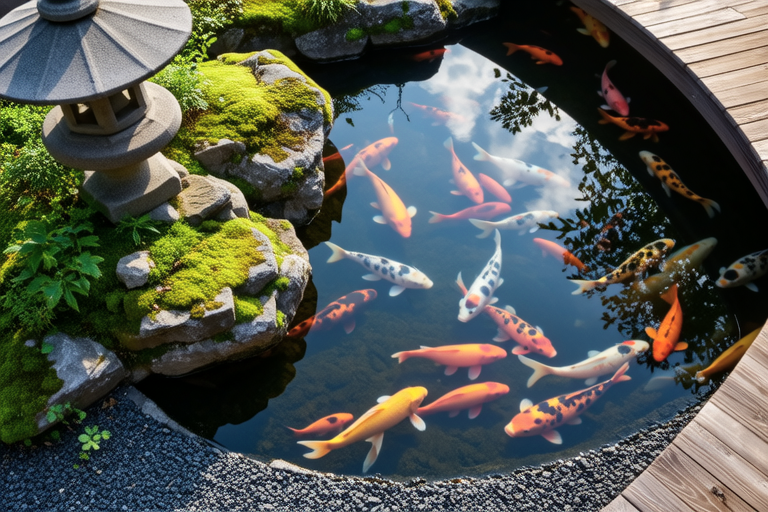
Transform Your Backyard: The Ultimate Guide to Setting Up a Stunning Koi Pond
Introduction
Welcome to the world of koi ponds! These serene aquatic landscapes not only enhance the beauty of your backyard but also offer numerous benefits. Koi ponds can significantly increase property value, provide a peaceful retreat from the hustle and bustle of daily life, and serve as a sanctuary for wildlife. Furthermore, maintaining a koi pond encourages mindfulness and responsibility, teaching patience and care. This comprehensive guide will walk you through every step of creating your own stunning koi pond, from initial planning to final touches.
Planning the Pond Size and Location
The first step in setting up your koi pond is determining its size and location. Consider the space available in your backyard and the number of koi fish you plan to keep. A general rule of thumb is to have at least 20 gallons of water per inch of fish. For instance, if you want to accommodate 10 koi fish averaging 12 inches each, you would need approximately 2400 gallons of water. However, it’s advisable to overestimate the size to allow for growth and additional fish.
Choose a sunny spot that receives about six hours of sunlight daily, ensuring the pond remains warm enough for the koi during cooler months. Avoid areas prone to flooding or heavy winds. Additionally, consider proximity to electrical outlets for pumps and filters, and ensure easy access for maintenance.
Choosing the Right Koi Fish
Selecting the right koi fish is crucial for the health and aesthetics of your pond. Koi come in various colors and patterns, so choose those that complement your garden’s design. Popular varieties include Kohaku (white with red markings), Showa Sanshoku (black, white, and red), and Sanke (red and black on a white base).
Buy healthy fish from reputable dealers who quarantine their stock to prevent disease transmission. Look for vibrant colors, clear eyes, and smooth scales. Avoid fish with physical deformities or signs of illness such as lesions or cloudy eyes.
Selecting Appropriate Plants
Plants play a vital role in enhancing the visual appeal and ecological balance of your koi pond. Water lilies, lotus, and iris are excellent choices for adding color and texture while providing shade and oxygenation. Floating plants like duckweed and water lettuce help filter nutrients from the water, preventing algae blooms.
Incorporate marginal plants around the edges of the pond to soften the appearance and create hiding spots for the koi. Choose species that thrive in your local climate and soil conditions. Consult with local nurseries or online resources for recommendations based on your region.
Filtration System Requirements
A robust filtration system is essential for maintaining water quality and ensuring the health of your koi. The system should consist of mechanical, biological, and chemical filtration components. Mechanical filtration removes large debris like leaves and uneaten food, while biological filtration supports beneficial bacteria that break down harmful ammonia and nitrites.
Chemical filtration involves the use of activated carbon or other media to absorb dissolved organic compounds and medications. Invest in a high-quality pump and filter that matches the volume of your pond. Regularly clean the filter media and replace it when necessary to maintain optimal performance.
Maintenance Tips for Water Quality
Regular monitoring and management of water parameters are critical for keeping your koi healthy. Test the pH, ammonia, nitrite, and nitrate levels weekly using test kits available at pet stores. Aim for a pH between 6.8 and 7.8, with zero detectable ammonia and nitrite levels. Nitrate levels should be kept below 50 ppm.
Perform partial water changes every two weeks, replacing about 10-20% of the total volume. Skim the surface of the pond daily to remove floating debris. Clean the pond bottom periodically to eliminate accumulated waste. Use pond-safe treatments to control algae and maintain clarity.
Creating a Safe Environment for Koi
Protect your koi from predators by installing a secure pond cover or netting. Ensure the pond has deep areas where the fish can hide, especially during nightfall. Provide adequate hiding spots with rocks, plants, and artificial structures.
Proper lighting enhances the ambiance of your koi pond and extends the viewing hours. Install underwater lights that emit soft, warm tones. Position them strategically to highlight key features without causing glare or disturbing the fish.
Conclusion: Aesthetic and Relaxation Benefits
Adding a koi pond to your backyard transforms your outdoor space into a tranquil oasis. The gentle ripples of water, the graceful movements of koi, and the lush greenery create a serene atmosphere perfect for unwinding after a long day. Whether you’re a beginner or an experienced gardener, setting up a koi pond offers endless opportunities for creativity and enjoyment.
By following this comprehensive guide, you’ll be well on your way to creating a stunning koi pond that not only enhances your home’s curb appeal but also provides years of joy and relaxation. Embrace the journey of nurturing these magnificent creatures and enjoy the peace they bring to your life.
