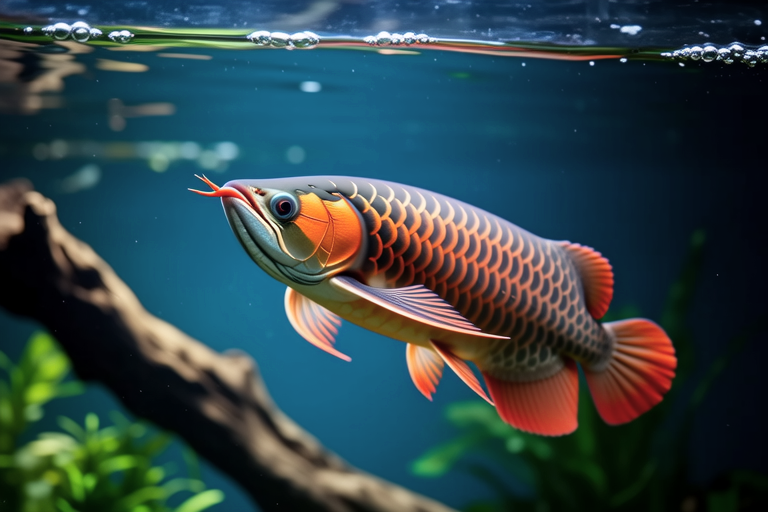
Unleashing the Splendor: A Complete Guide to Owning an Arowana
Arowanas are among the most sought-after and majestic fish in the aquarium hobby. Their regal appearance and unique behaviors make them a standout choice for enthusiasts looking to add something truly special to their aquatic setups. However, owning an arowana comes with significant responsibilities and a deep commitment to providing the best possible care. This guide will walk you through everything you need to know about these fascinating creatures, from their origins and characteristics to their care requirements and potential health issues.
Origins and Characteristics of Arowanas
Arowanas hail from the freshwater rivers and lakes of Southeast Asia, South America, and Africa. These ancient fish have been around for millions of years, evolving into some of the most captivating species found in tropical waters. They belong to the family Osteoglossidae, which translates to ‘bony tongues,’ referring to their unique jaw structure that allows them to gulp air directly from the surface. This adaptation is crucial for survival in low-oxygen environments.
Their most striking feature is undoubtedly their elongated bodies, adorned with shimmering scales that reflect light like precious metals. Depending on the species, arowanas can exhibit a range of colors, from deep greens and blues to silvers and reds. Among the most popular varieties are the Asian arowana (Scleropages formosus), the silver arowana (Osteoglossum bicirrhosum), and the African arowana (Heterotis niloticus).
Care Requirements
Owning an arowana requires a substantial investment of time, effort, and resources. These fish demand large, well-maintained tanks, specific water conditions, and a balanced diet. Before embarking on this journey, it’s essential to understand the commitment involved. Arowanas are not just another pet; they are living creatures that require dedicated care and attention.
First and foremost, arowanas are solitary by nature and can become aggressive towards other fish, especially those of similar size or shape. Therefore, it’s crucial to provide them with ample space and avoid overcrowding. Regular monitoring of water quality and temperature is also necessary to ensure optimal living conditions.
Suitable Tank Setup
Setting up a proper tank for your arowana is one of the most critical aspects of their care. Given their size and activity level, arowanas require a spacious tank with a minimum capacity of 300 gallons for juveniles and upwards of 600 gallons for adults. The tank should be long rather than tall, as arowanas prefer horizontal swimming.
Water quality is paramount. Use a high-quality filtration system capable of handling the volume of water efficiently. Regular water changes and maintenance are vital to prevent the buildup of harmful substances. Additionally, maintain a stable temperature between 78°F and 84°F and a pH level between 6.5 and 7.5.
In terms of decoration, keep the tank simple. Arowanas are sensitive to sharp objects and prefer open spaces. Smooth rocks, driftwood, and live plants can enhance the aesthetic appeal while providing hiding spots and natural enrichment. Ensure there are no small openings where the fish could get stuck.
Dietary Needs
Arowanas are carnivorous and require a varied diet rich in protein. In the wild, they feed on insects, smaller fish, and crustaceans. In captivity, a good diet consists of high-quality pellets, frozen or live foods such as bloodworms, shrimp, and feeder fish. It’s important to rotate food types to ensure a balanced nutritional intake.
Feeding should be done sparingly, typically once or twice daily. Overfeeding can lead to obesity and health issues. Always monitor your arowana’s eating habits and adjust feeding amounts accordingly. It’s also wise to avoid feeding them too many feeder fish, as these can introduce parasites or diseases into the tank.
Common Health Issues
Like any other fish, arowanas are susceptible to various health problems. Common ailments include bacterial infections, parasitic infestations, and fin rot. Early detection and prompt treatment are key to maintaining your arowana’s health.
To prevent health issues, ensure the tank is clean and well-maintained. Quarantine new fish before introducing them to the main tank to avoid the spread of diseases. Regular water tests and timely interventions can help catch problems early. If you notice any unusual behavior, such as lethargy, loss of appetite, or physical abnormalities, consult a veterinarian specializing in exotic fish.
Tips for Maintaining a Healthy Environment
Maintaining a healthy environment for your arowana involves more than just setting up the right tank and feeding them properly. Here are some additional tips:
- Monitor Water Parameters: Regularly test the water for ammonia, nitrite, nitrate, pH, and hardness levels. Adjustments may be necessary to keep these parameters within the optimal range.
- Provide Adequate Space: As arowanas grow, so does their need for space. Be prepared to upgrade to larger tanks as your fish matures.
- Exercise Caution During Handling: While it may be tempting to interact with your arowana, handling them should be done with extreme caution to avoid stress or injury.
- Stimulate Their Environment: Incorporate floating plants or decorations to mimic their natural habitat. This can reduce stress and promote a healthier, more active lifestyle.
- Regular Vet Checkups: Just like any other pet, regular checkups with a vet who specializes in exotic fish can help ensure your arowana remains healthy and vibrant.
Conclusion
Owning an arowana is a rewarding experience that brings joy and admiration. However, it demands a significant commitment to their care and well-being. By understanding their origins, characteristics, and specific needs, you can provide your arowana with a thriving environment that showcases their splendor. With the right setup, diet, and attention, your arowana will not only survive but thrive, becoming a cherished member of your aquatic family.
Remember, the responsibility of caring for an arowana is not to be taken lightly. It’s a long-term commitment that requires dedication, knowledge, and love. But the beauty and grace of these magnificent fish make every effort worthwhile.
