How to Care for an Abyssinian Cat Like a Pro
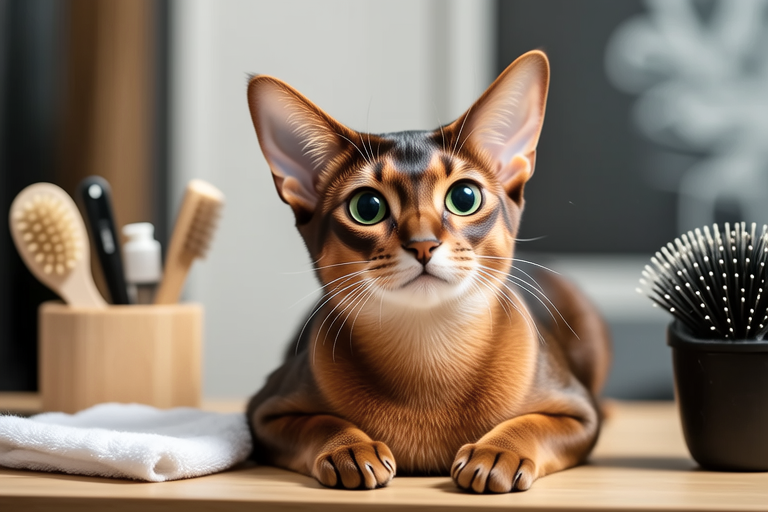
Abyssinian cats are known for their striking appearance, with their distinctive ticked coat and almond-shaped eyes. Their playful and active nature makes them a joy to have around, but they also require specific care to thrive. This guide will walk you through everything you need to know to care for your Abyssinian cat like a pro, from dietary requirements to environmental enrichment.
Dietary Requirements
Feeding your Abyssinian cat a balanced diet is crucial for maintaining its health and energy levels. These cats have a high metabolism, which means they require more calories than other breeds. A diet rich in protein is essential, as Abyssinians are natural hunters and thrive on meat-based foods. Opt for high-quality commercial cat food that lists meat as the primary ingredient. Wet food can be particularly beneficial, as it provides more moisture and helps prevent dehydration.
Additionally, Abyssinians may benefit from supplements such as omega-3 fatty acids, which can support their skin and coat health. Consult your veterinarian before adding any supplements to your cat’s diet. It’s important to maintain a consistent feeding schedule and avoid overfeeding, as obesity can lead to various health issues. Always ensure fresh water is available to keep your cat hydrated.
Grooming Tips
The sleek, short-haired coat of the Abyssinian cat requires minimal grooming compared to long-haired breeds, but regular maintenance is still necessary to keep their coat healthy and shiny. Brushing your Abyssinian once or twice a week with a soft-bristled brush or a rubber grooming mitt can help remove loose hair and distribute natural oils throughout the coat. This not only keeps their fur looking great but also reduces shedding inside your home.
Bathing is generally not required unless your cat gets particularly dirty, as frequent bathing can strip away essential oils from their skin. If you do need to bathe your Abyssinian, use a gentle, pH-balanced shampoo designed specifically for cats. Trim their nails regularly to prevent overgrowth and scratching damage to furniture or carpets. Check and clean their ears weekly to prevent infections, and brush their teeth regularly to maintain good oral hygiene.
Exercise Needs
Abyssinian cats are highly active and playful, often described as “the greyhounds of the cat world.” They enjoy running, jumping, and climbing, so it’s important to provide them with plenty of opportunities for physical activity. Interactive toys, such as feather wands or laser pointers, can stimulate their hunting instincts and provide mental stimulation. Puzzle feeders are another excellent way to engage your Abyssinian while encouraging problem-solving skills.
Create a safe and stimulating environment by setting up tall cat trees or shelves for them to explore. Abyssinians love to climb, so multi-level cat furniture can provide hours of entertainment. Rotate toys periodically to keep things interesting and prevent boredom. Regular play sessions are essential, especially if your Abyssinian spends most of its time indoors. Aim for at least 15 minutes of interactive playtime each day to keep your cat physically and mentally fit.
Health Considerations
While Abyssinian cats are generally healthy, they are prone to certain genetic conditions. Hypertrophic cardiomyopathy (HCM) is one of the most common heart diseases in this breed, characterized by thickening of the heart muscle. Regular veterinary check-ups are crucial for early detection and management of HCM. Your vet may recommend echocardiograms or other diagnostic tests to monitor your cat’s heart health.
Abyssinians are also susceptible to dental issues, including tooth resorption and periodontal disease. Daily brushing and regular dental cleanings can help prevent these problems. Keep an eye out for signs of dental discomfort, such as drooling, difficulty eating, or pawing at the mouth. Obesity is another concern, so monitor your cat’s weight and adjust their diet accordingly.
Vaccinations and parasite prevention are essential for keeping your Abyssinian healthy. Discuss with your veterinarian a vaccination schedule tailored to your cat’s lifestyle and risk factors. Flea, tick, and worm treatments should be administered as recommended by your vet. Spaying or neutering your cat can also reduce the risk of certain cancers and behavioral issues.
Creating an Enriching Environment
Abyssinian cats are intelligent and curious, requiring an environment that stimulates their minds and bodies. Provide a variety of toys, including puzzle feeders, interactive toys, and scratching posts. Rotate toys regularly to keep things fresh and exciting. Create vertical spaces, such as cat trees or window perches, to allow your Abyssinian to explore different heights and angles.
Consider incorporating elements that mimic their natural habitat, such as hiding spots or tunnels. Abyssinians enjoy exploring and discovering new areas, so creating a multi-dimensional space can enhance their sense of adventure. Spend quality time with your cat, engaging in play and social interaction. This not only strengthens your bond but also provides valuable mental and emotional stimulation.
Ensure your Abyssinian has access to a comfortable, quiet area where they can retreat when needed. Cats value privacy and having a designated space can help them feel secure. Use soft bedding and consider placing it in a low-traffic area of your home. Providing multiple litter boxes can also contribute to a stress-free environment, especially if you have multiple cats.
Behavioral Insights
Abyssinian cats are known for their playful and affectionate nature, often forming strong bonds with their human companions. They are highly social animals and enjoy interacting with people, making them ideal pets for families or individuals seeking a companion. However, they can also be independent and may prefer solitude at times, so it’s important to respect their personal space.
These cats are intelligent and can be trained to respond to commands or perform tricks, much like dogs. Positive reinforcement techniques, such as treats and praise, can encourage desirable behaviors. Abyssinians are vocal cats, often communicating with their owners through chirps, meows, and trills. Learning to understand their vocalizations can deepen your connection with your pet.
Abyssinians are naturally curious and investigative, so they may try to explore every nook and cranny of your home. Supervise them closely to prevent accidents or damage. Their intelligence and curiosity can sometimes lead to mischief, but providing appropriate outlets for their energy and mental stimulation can help redirect their attention away from destructive behaviors.
Conclusion
Caring for an Abyssinian cat requires a balance of attention to their physical and emotional needs. By understanding their dietary requirements, grooming habits, exercise preferences, and health considerations, you can ensure your Abyssinian lives a long, healthy, and happy life. Creating an enriching environment that stimulates their mind and body will keep them engaged and content. With proper care and attention, your Abyssinian cat will become a cherished member of your family, bringing joy and companionship for years to come.
