From Jungle to Home: Caring for Your Water Monitor as a Unique Pet
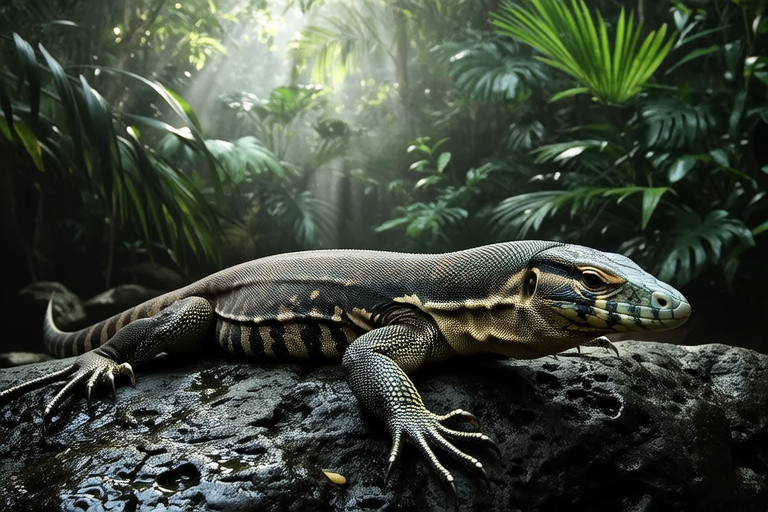
The water monitor (Varanus salvator) is a species of lizard native to Southeast Asia, known for its impressive size, agility, and adaptability. These lizards can grow up to 3 meters in length, making them one of the largest lizards in the world. They are found in a variety of habitats, from dense rainforests to coastal mangroves and swamps, where they spend their time in trees, on land, and in water. Water monitors have a sleek body, powerful limbs, and a long, muscular tail that aids in swimming and balance. Their diet consists of a wide range of prey, from insects and small mammals to fish and birds, making them opportunistic feeders.
Responsibilities and Considerations
Owning a water monitor comes with significant responsibilities. First and foremost, it is essential to research local laws and regulations regarding exotic pets. In many regions, owning a water monitor may require permits or licenses, and some areas prohibit the keeping of these lizards altogether. It’s crucial to understand and comply with these regulations to avoid legal issues.
Water monitors are not suitable for every household. They require a considerable amount of space, time, and resources. The owner must be prepared for the long-term commitment, as water monitors can live for more than 20 years. Additionally, the lizard’s temperament can vary; while some individuals may become accustomed to human interaction, others may remain skittish and aggressive. Prospective owners should consider whether they can provide a safe, enriching environment for the lizard.
Setting Up the Enclosure
Adequate housing is crucial for the well-being of a water monitor. The enclosure should be large enough to allow the lizard ample space to move around and swim. A minimum enclosure size for an adult water monitor would be approximately 6 feet by 4 feet by 4 feet, but larger enclosures are always preferable. The enclosure should have a secure top to prevent escapes and should include both terrestrial and aquatic areas.
Lighting is vital for the lizard’s health. UVB lighting is necessary to help the lizard synthesize vitamin D3, which aids in calcium absorption. Full-spectrum lighting should be provided for 10-12 hours per day. Heating is also essential; water monitors need a basking area that reaches between 95°F and 105°F. A combination of heat lamps and under-tank heaters can be used to maintain the correct temperature gradient within the enclosure.
The substrate should be chosen carefully. It should be non-toxic, easy to clean, and able to hold humidity. Cypress mulch, coconut fiber, and reptile-safe bark chips are popular choices. A deep substrate layer allows the lizard to burrow and provides a naturalistic environment. The enclosure should also include hiding spots, climbing structures, and branches for the lizard to bask and rest.
Dietary Needs
In the wild, water monitors are opportunistic feeders, consuming a diverse diet that includes insects, small mammals, fish, and birds. In captivity, a balanced diet should mimic this diversity. Younger lizards can be fed a diet rich in protein, such as crickets, mealworms, and pinkie mice. As they grow, the diet can be expanded to include larger prey items like rats and quail. Fish can also be included as part of the diet.
Feeding frequency depends on the lizard’s age and size. Juveniles may need to eat daily, while adults can be fed every few days. It is important to offer a variety of food items to ensure proper nutrition. Supplements, particularly calcium and vitamins, should be added to the food to support overall health.
Handling and Socialization
Water monitors can be unpredictable and may display aggressive behavior if mishandled. Proper handling techniques are essential to minimize stress and injury. Always approach the lizard slowly and calmly, allowing it time to acclimate to your presence. Use a large, flat object, such as a board or towel, to gently guide the lizard into a secure container for transport or handling. Avoid grabbing the lizard by the tail, as this can cause injury.
Socialization involves consistent, gentle interaction over time. Regular handling can help the lizard become more comfortable with human contact. However, it is important to recognize the limits of each individual lizard and respect its boundaries. Some lizards may never become fully tame, and this is perfectly acceptable.
Maintaining Health
Regular veterinary check-ups are essential for the long-term health of a water monitor. A qualified reptile veterinarian should perform routine examinations, including weight checks, fecal tests, and blood work. These check-ups can help detect potential health issues early, improving treatment outcomes.
Common health issues in water monitors include respiratory infections, metabolic bone disease, and parasites. Respiratory infections can occur due to improper humidity or temperature levels, leading to symptoms like nasal discharge and lethargy. Metabolic bone disease is often caused by calcium deficiency and can result in weak bones and deformities. Parasites can be introduced through contaminated food or water and may lead to weight loss and diarrhea.
To prevent these issues, maintain optimal environmental conditions and provide a balanced diet. Clean the enclosure regularly and quarantine any new additions to the diet to prevent the introduction of parasites. Regularly monitor the lizard’s behavior and appearance for signs of illness, and consult a veterinarian at the first sign of trouble.
Long-Term Care and Enrichment Activities
Long-term care involves ongoing attention to the lizard’s physical and mental well-being. Continue to provide a stimulating environment with plenty of space for exercise and exploration. Rotate toys and objects within the enclosure to keep the lizard engaged. Providing a variety of food items and occasionally offering novel prey can also enhance enrichment.
Water monitors are intelligent animals that benefit from mental stimulation. Puzzle feeders and foraging opportunities can challenge the lizard mentally and encourage natural hunting behaviors. Social interaction, either with humans or other compatible reptiles, can also contribute to the lizard’s overall happiness.
Finally, remember that owning a water monitor is a serious responsibility. With proper care, attention, and respect, these remarkable creatures can thrive in a captive environment, providing years of fascination and companionship.
