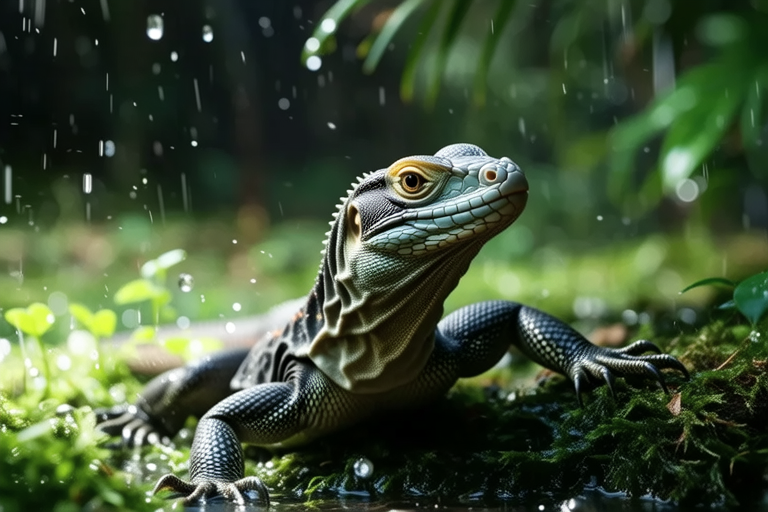
Water Monitors: From Native Swamps to Exotic Pets
The transformation of water monitors from their native swamp habitats to becoming popular exotic pets is an intriguing journey that highlights both their unique physical characteristics and the challenges of keeping them as companions. These impressive reptiles, known for their agility and intelligence, have captured the attention of many enthusiasts. This article delves into the world of water monitors, exploring their physical traits, behaviors, dietary needs, and the responsibilities of ownership.
Physical Characteristics
Water monitors (Varanus salvator) are among the largest lizards in the world, with males typically reaching lengths of 6 to 7 feet and females slightly smaller at 4 to 5 feet. Their elongated bodies are covered in scales that provide excellent camouflage in their natural habitats. Water monitors possess powerful limbs and claws, which they use for digging, climbing, and swimming. Their tails are prehensile, allowing them to grasp branches or defend themselves. Their heads are triangular, and they have keen eyesight and a forked tongue that helps them detect prey. Their teeth are sharp and pointed, perfect for catching and holding onto slippery fish.
Behavioral Traits
Water monitors are highly intelligent and curious creatures. In the wild, they are active during the day, spending much of their time hunting for food or basking in the sun. They are skilled swimmers and can remain submerged for up to 30 minutes. When threatened, they can release a foul-smelling musk from glands near their tail to deter predators. As pets, they require stimulation and mental engagement to thrive. Owners must provide opportunities for climbing, swimming, and exploring to prevent boredom and stress.
Dietary Needs
Water monitors are carnivorous and have a diverse diet in the wild, consuming fish, frogs, birds, eggs, insects, and even small mammals. In captivity, their diet should be varied to ensure proper nutrition. A balanced diet includes rodents, fish, insects, and occasional eggs. It’s essential to offer a wide range of prey items to mimic their natural diet and prevent nutritional deficiencies. Feeding should be done in a separate enclosure to avoid associating feeding times with handling, reducing the risk of bites.
Challenges and Responsibilities of Ownership
Space Requirements
One of the primary challenges of owning a water monitor is providing adequate space. Adult monitors need enclosures that are at least 8 feet long, 4 feet wide, and 4 feet high to accommodate their size and activity level. The enclosure should include a large water area for swimming, as well as climbing structures, such as branches and rocks. Proper ventilation is crucial to maintain air quality, especially in humid environments.
Legal Considerations
Potential owners should research local regulations before acquiring a water monitor. Some regions prohibit or restrict the ownership of certain exotic animals due to concerns about public safety and environmental impact. In some cases, permits or licenses may be required. Additionally, it’s important to consider the ethical implications of keeping a wild animal as a pet. Responsible ownership involves ensuring the animal’s well-being and respecting its natural behavior.
Social Interaction
Water monitors are solitary by nature and do not require companionship from other monitors. However, they can bond with their owners through regular, gentle handling. Establishing trust is key to maintaining a positive relationship. Owners should handle their monitors with care, as they can become aggressive if they feel threatened or stressed. Patience and consistency are essential when building a trusting relationship.
Comparison with Common Pets
Compared to more common pets like dogs or cats, water monitors have distinct care requirements. While dogs and cats are domesticated and adapted to human environments, water monitors retain many of their wild instincts. Their specialized needs, such as large enclosures and specific dietary requirements, make them less suitable for inexperienced pet owners. Regular veterinary care, including annual check-ups and vaccinations, is necessary to ensure their health and longevity. Owners must also be prepared for the financial commitment, which includes purchasing appropriate enclosures, heating equipment, and food.
Role in Natural Ecosystems
In their natural habitats, water monitors play a vital role in maintaining ecosystem balance. As top predators, they control populations of smaller animals, preventing overpopulation and competition for resources. They also contribute to nutrient cycling by consuming carrion and redistributing nutrients throughout their environment. Conservation efforts focus on protecting their habitats and addressing threats such as habitat destruction, illegal wildlife trade, and climate change. By raising awareness about the importance of preserving their natural habitats, we can help ensure the survival of water monitors and the ecosystems they inhabit.
Advice for Potential Owners
If you’re considering owning a water monitor, it’s essential to thoroughly research their care requirements and ensure you can meet their needs. Here are some tips for responsible ownership:
- Research extensively: Learn about their physical, behavioral, and dietary needs before making a decision.
- Prepare for the commitment: Owning a water monitor requires a significant financial and time investment.
- Find a reputable breeder: Ensure the monitor was bred in captivity to avoid supporting the illegal wildlife trade.
- Consult a veterinarian: Find a vet experienced in treating reptiles to ensure your monitor receives proper care.
- Provide enrichment: Offer climbing structures, swimming areas, and hiding spots to stimulate your monitor’s natural behaviors.
Owning a water monitor can be a rewarding experience for those willing to commit to their care. With proper attention and respect for their natural behaviors, these fascinating reptiles can make wonderful companions.
