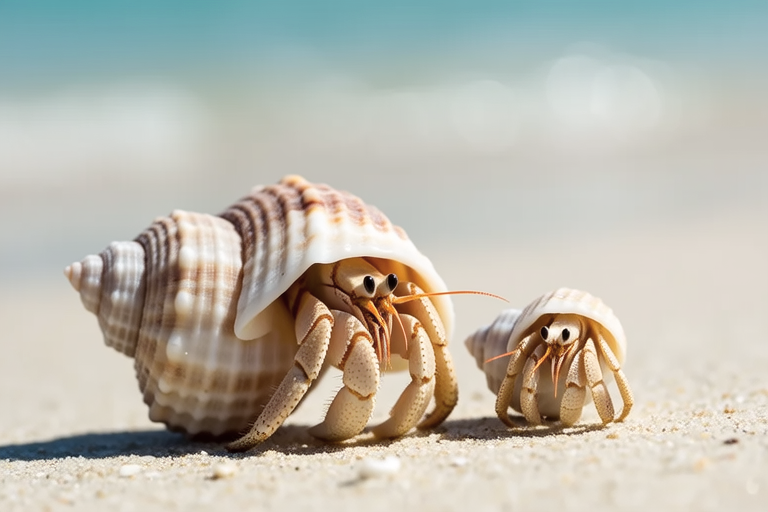
The Cozy Shell Swap: How Hermit Crabs Find Their Perfect Home
Hermit crabs are fascinating creatures that have developed a unique relationship with their shells. These shells serve as their portable homes, providing critical protection from predators and harsh environmental conditions. Understanding the intricacies of their shell-swapping habits offers a window into the lives of these small but significant marine inhabitants.
The Vital Role of Shells
Shells are essential to hermit crabs for more than just shelter; they play a crucial role in their survival and development. As hermit crabs grow, they outgrow their current shells, necessitating a move to larger ones. Without this change, they would be confined to cramped living spaces, limiting their ability to expand and thrive. Additionally, shells offer protection against potential threats such as fish, birds, and other sea creatures. The hard exterior of a shell acts as a shield, ensuring the soft-bodied hermit crab remains safe.
The Shell-Swapping Process
When it’s time for a hermit crab to move, it does so carefully and strategically. The process begins when a crab finds a shell that matches its new size. Once it locates a suitable candidate, the crab will inspect the shell thoroughly before making its move. This inspection involves touching the shell’s interior with its antennae to ensure it fits well and provides adequate protection.
During the actual swap, hermit crabs exhibit remarkable coordination. They often gather in groups to exchange shells, forming what appears to be a communal event. One crab vacates its shell, and another moves in immediately. Sometimes, several crabs participate in a chain reaction where each takes turns exchanging shells until all have found a better fit. This cooperative behavior highlights the social nature of hermit crabs.
Environmental Factors Influencing Shell Availability
The availability of suitable shells is influenced by various environmental factors. One of the primary sources of shells is gastropods, which shed their outer layers as they grow. However, human activities such as coastal development and pollution can reduce the number of available shells. Pollution not only harms the marine environment but also disrupts the natural cycle of shell production.
Competition among hermit crabs for shells is fierce. When a desirable shell becomes available, multiple crabs may vie for it. This competition underscores the importance of finding a suitable home quickly. In some cases, smaller hermit crabs might even wait near larger crabs, hoping to take over their shell once they’ve outgrown it. This waiting strategy demonstrates the adaptability of hermit crabs in securing their next home.
Interesting Facts About Shell Swaps
Hermit crabs display intriguing behaviors during their search and exchange of shells. For instance, they often engage in “shell fights” where two crabs compete for the same shell. These fights involve physical tussles and can last for extended periods. Interestingly, hermit crabs have been observed using tools to improve their shells, such as attaching pieces of coral or algae to enhance protection and camouflage.
Another fascinating aspect of hermit crab behavior is their preference for certain types of shells. While many species are adaptable, some hermit crabs show a clear preference for specific shapes and sizes. This selectivity ensures that they find shells that best suit their needs, optimizing both protection and mobility.
The Importance of Healthy Marine Ecosystems
Understanding the shell-swapping habits of hermit crabs can provide valuable insights into marine conservation efforts. By studying the factors affecting shell availability, researchers can identify areas where interventions are needed to protect the habitats of these creatures. For example, reducing pollution and promoting sustainable fishing practices can help maintain healthy populations of gastropods, thereby increasing the supply of suitable shells.
Maintaining healthy marine ecosystems is crucial for the survival of hermit crabs and countless other species. Conservation efforts should focus on preserving the delicate balance of marine environments, ensuring that all components, including shell producers, thrive. This holistic approach will support the long-term health and biodiversity of our oceans.
In conclusion, the cozy shell swap of hermit crabs is a captivating phenomenon that reveals much about their lives and the broader marine ecosystem. By appreciating the complexity of these swaps and the challenges faced by hermit crabs, we can work towards creating a healthier ocean environment that supports these delightful creatures and the intricate web of life they inhabit.
