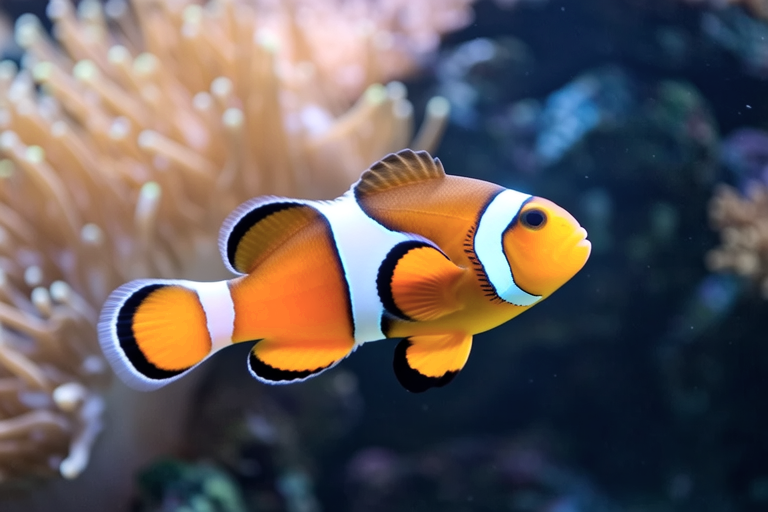
Myths and Realities of Clownfish Care in Captivity
Clownfish have become one of the most popular choices for marine aquarium enthusiasts due to their vibrant colors and engaging behavior. However, many misconceptions exist about their care, leading to improper husbandry practices that can harm these fish. This article aims to dispel some of the most common myths surrounding clownfish maintenance and provide scientifically-backed insights into their true needs.
Tank Size Requirements
Myth: A small tank is sufficient for clownfish.
Reality: While clownfish can thrive in smaller tanks, they require adequate space to swim and explore. The recommended minimum tank size for a single clownfish is around 20 gallons (75 liters). For a pair or trio, a 30-gallon (113-liter) tank is more appropriate. Providing ample swimming room reduces stress and promotes better overall health. Additionally, larger tanks allow for more efficient water management, which is crucial for maintaining optimal water quality.
Compatibility with Other Marine Species
Myth: Clownfish get along well with all other marine species.
Reality: While clownfish are generally peaceful, they can be territorial and aggressive towards other clownfish or similar-looking species. It’s important to carefully select tankmates that won’t compete for resources or pose threats. Some good companions include non-aggressive wrasses, blennies, and certain shrimp species. Avoid housing them with large predatory fish or those known for nipping fins, such as triggerfish or lionfish. Compatibility also depends on the specific clownfish species; some are more tolerant than others.
Dietary Needs
Myth: Clownfish only eat live food.
Reality: Although wild clownfish primarily feed on plankton and small crustaceans, captive clownfish adapt well to a varied diet consisting of high-quality flake foods, pellets, frozen foods like brine shrimp, and occasional treats like mysis shrimp. Ensuring a balanced diet rich in essential nutrients supports their growth and immune system function. Overfeeding should be avoided to prevent obesity and water quality issues.
Breeding in Home Aquariums
Myth: Breeding clownfish is easy and highly successful in home aquariums.
Reality: Successfully breeding clownfish at home requires careful planning and attention to detail. Establishing a stable pair bond is essential; this typically involves selecting a compatible male-female duo and allowing them time to acclimate together. Adequate hiding spots, particularly anemone-like structures if available, help create a conducive environment for spawning. Even then, success rates may vary widely depending on factors such as water parameters, lighting conditions, and genetic predisposition.
Common Health Issues
Myth: Clownfish rarely suffer from diseases.
Reality: Like any aquatic life form, clownfish are susceptible to various health problems if not properly cared for. Common issues include bacterial infections, parasitic infestations, and nutritional deficiencies. Maintaining pristine water quality through regular monitoring and maintenance of temperature, pH levels, salinity, and oxygenation significantly reduces the risk of disease outbreaks. Early detection and prompt treatment are critical for effective management.
Scientific Insights
Research has shown that proper environmental enrichment plays a vital role in enhancing the welfare of captive clownfish. Studies indicate that providing structured habitats with varied textures, colors, and spatial arrangements stimulates natural behaviors and reduces stress responses. Incorporating live rock, coral skeletons, and artificial plants mimics their natural reef environments, promoting both physical and psychological well-being.
Furthermore, advancements in aquaculture techniques have made it possible to produce clownfish through controlled breeding programs rather than relying solely on wild-caught specimens. These cultured individuals tend to be hardier and more adaptable to aquarium conditions compared to their counterparts collected directly from reefs.
Conclusion
In conclusion, while clownfish make wonderful additions to marine aquariums when provided with suitable living conditions, there are several key aspects of their care that often go misunderstood by hobbyists. By addressing these misconceptions and adhering to best practices based on current scientific knowledge, we can ensure our beloved clownfish lead healthy, happy lives within our homes.
