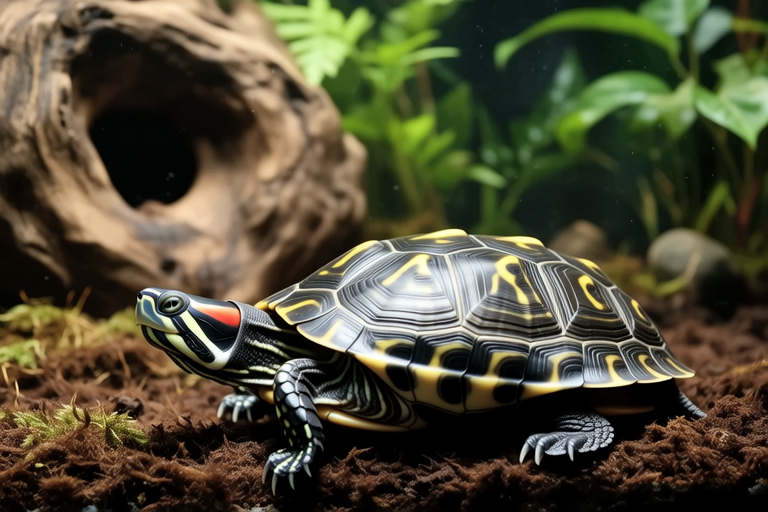
How to Create an Ideal Habitat for Your Three-Striped Box Turtle
The three-striped box turtle (Terrapene triunguis) is a small, terrestrial species native to the southeastern United States. Known for its distinctive three yellow stripes on each side of its head, this turtle requires a well-thought-out habitat to thrive. Properly setting up your turtle’s environment is crucial for its health and happiness. This article will guide you through creating an ideal habitat for your three-striped box turtle, covering everything from substrate and lighting to temperature, humidity, and more.
Enclosure Size and Setup
The first step in creating an ideal habitat for your three-striped box turtle is choosing the right enclosure. These turtles are active and need enough space to move around comfortably. A minimum enclosure size of 4 feet long by 2 feet wide by 1 foot deep is recommended for one adult turtle. If you have multiple turtles, increase the size accordingly to provide ample room for each one.
For housing, you can use either a glass aquarium or a custom-built wooden enclosure. Ensure that the enclosure has secure sides to prevent escapes, as these turtles are known for their climbing abilities. A screen lid is essential for ventilation while keeping the turtle safely inside. Additionally, consider placing the enclosure in a location away from direct sunlight and drafts to avoid overheating or chilling your turtle.
Substrate
Selecting the right substrate is vital for your turtle’s health. Avoid using sand or gravel, as these can cause impaction if ingested. Instead, opt for a substrate that mimics their natural environment. Cypress mulch, coconut fiber, or reptile-safe bark chips are excellent choices. These substrates retain moisture, which helps maintain proper humidity levels, and allow for easy burrowing.
When using cypress mulch or coconut fiber, ensure that it remains moist but not wet. Overly damp conditions can lead to respiratory issues and skin infections. To achieve the correct moisture level, mist the substrate daily with a spray bottle. Alternatively, place a shallow water dish in the enclosure to help maintain humidity.
Lighting
Proper lighting is crucial for your turtle’s overall health and well-being. UVB light is essential for calcium absorption and metabolism regulation. Install a high-quality UVB lamp designed for reptiles over one end of the enclosure. Position the lamp so that it provides a basking spot about 6-8 inches below the bulb. Ensure that the lamp covers at least half of the enclosure’s surface area.
In addition to UVB lighting, provide full-spectrum fluorescent lighting to simulate daylight and encourage natural behaviors. These lights should be turned off at night to establish a day-night cycle. It’s important to note that UVB bulbs lose effectiveness over time, so replace them every six months to ensure optimal performance.
Temperature and Humidity
Maintaining the correct temperature gradient within the enclosure is key to your turtle’s health. The warm end of the enclosure should reach between 85°F and 90°F (29°C to 32°C), while the cool end should be around 75°F to 80°F (24°C to 27°C). Use a thermostat or rheostat to control heating elements like under-tank heaters or ceramic heat emitters. Place a thermometer on both ends of the enclosure to monitor temperatures accurately.
Humidity levels should be kept between 60% and 80%. Low humidity can cause dehydration and respiratory problems, while overly high humidity may lead to fungal infections. To achieve the desired humidity levels, mist the enclosure daily and use a hygrometer to measure humidity. Additionally, incorporating live plants and a water dish can help maintain proper humidity.
Hiding Spots and Water Area
Your turtle needs access to hiding spots and a water area to feel secure and comfortable. Provide several hiding spots throughout the enclosure using half logs, cork bark, or plastic caves. Ensure that the hiding spots are large enough for your turtle to fit inside comfortably. These areas serve as retreats where your turtle can rest and feel protected.
A shallow water dish should also be provided for soaking and drinking. The water level should be deep enough for your turtle to submerge its entire body but not so deep that it risks drowning. Change the water daily to keep it clean and free from bacteria.
Plants and Decorations
Incorporating live plants into your turtle’s habitat can enhance its environment and provide additional benefits. Choose non-toxic plants that can withstand occasional nibbling and trampling. Some suitable options include pothos, philodendron, and spider plants. Live plants not only add aesthetic appeal but also help maintain humidity levels and provide natural hiding spots.
Decorative elements like rocks, driftwood, and artificial plants can further enrich the enclosure. Arrange these items to create different levels and textures within the habitat. Ensure that all decorations are securely placed to prevent tipping or collapsing, which could injure your turtle.
Dietary Considerations
The diet of your three-striped box turtle plays a significant role in its overall health and directly relates to habitat needs. In the wild, these turtles consume a varied diet consisting of insects, worms, fruits, and vegetables. In captivity, offer a balanced diet that includes protein sources like mealworms, crickets, and earthworms, as well as leafy greens and fruits such as berries and melons.
Vitamin and mineral supplements are essential for maintaining bone health and shell integrity. Dust your turtle’s food with a calcium supplement twice a week and a multivitamin once a week. Always consult with a veterinarian or herpetologist before introducing new foods or supplements to ensure they meet your turtle’s nutritional requirements.
Maintenance and Health
Maintaining cleanliness in your turtle’s habitat is crucial for preventing illness and promoting longevity. Clean the enclosure weekly by removing waste and uneaten food. Replace the substrate monthly or whenever it becomes too dirty. Regularly check the water dish for algae buildup and clean it as needed.
To keep your turtle healthy, schedule regular veterinary check-ups with a reptile specialist. Monitor your turtle’s behavior and physical appearance for any signs of distress, such as lethargy, loss of appetite, or abnormal discharge. Early detection and treatment of health issues can prevent more serious complications.
Creating an ideal habitat for your three-striped box turtle requires attention to detail and commitment to providing a safe, stimulating environment. By following these guidelines, you can ensure that your turtle thrives and enjoys a long, healthy life. Remember, a happy turtle is a healthy turtle!
