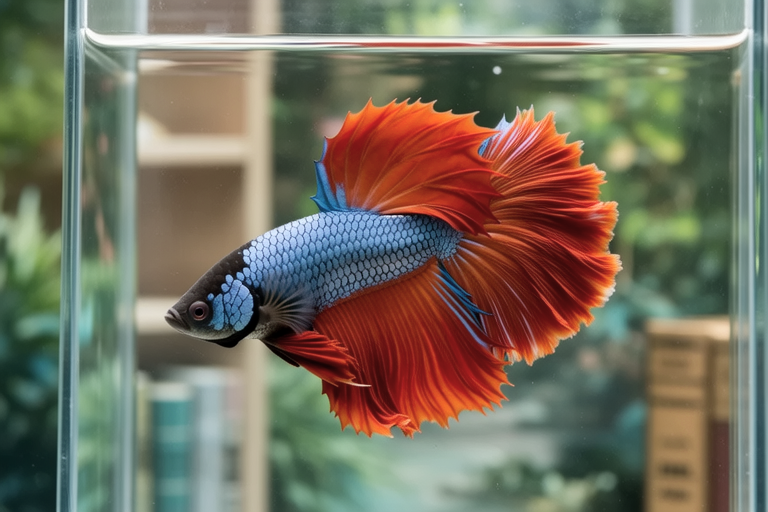
The Evolution and Care of Betta Fish
Betta fish have come a long way from being mere ornamental curiosities to becoming cherished companions. Their vibrant colors and fascinating behaviors have captivated aquarium enthusiasts worldwide. This article delves into the evolution of betta fish, their natural habitats, behaviors, common misconceptions, social dynamics, suitable tank setups, dietary needs, and health maintenance.
Evolution of Betta Fish: From Curiosity to Companion
The betta fish’s journey from ornamental novelty to companion animal is a testament to human fascination with nature’s beauty. Originally native to the rice paddies and slow-moving streams of Thailand, Cambodia, Malaysia, and Vietnam, bettas were initially bred for their fighting prowess. However, over time, they have been selectively bred for their striking colors and flowing fins, transforming them into popular pets. Today, betta fish are beloved for their vibrant hues and captivating personalities.
Natural Habitats and Behaviors
In their natural habitats, betta fish thrive in shallow, warm waters with dense vegetation. They are labyrinth fish, meaning they possess a specialized organ that allows them to breathe air directly from the surface. This adaptation makes them particularly resilient in environments with low oxygen levels. Betta fish are known for their territorial behavior, often displaying aggression towards other males but can coexist peacefully with females. In the wild, they spend much of their time hunting small insects and larvae, showcasing their predatory instincts.
Common Misconceptions About Betta Care
One of the most prevalent misconceptions about betta fish is that they require minimal care. Many believe that keeping a betta in a small container or vase with a plant is sufficient. However, this could not be further from the truth. Betta fish need proper tank setups, regular water changes, and a balanced diet to thrive. Another myth is that bettas are solitary creatures and do not interact with other fish. While it is true that male bettas can be territorial, there are ways to create harmonious communities with compatible tank mates.
Social Dynamics Within the Species
Betta fish exhibit complex social behaviors that are both intriguing and challenging to understand. Male bettas are highly territorial and will often engage in aggressive displays when confronted with rivals. These displays can include flaring their gills, spreading their fins, and even engaging in physical altercations. Female bettas, on the other hand, tend to be more peaceful and may form schools if provided with ample space and hiding spots. Understanding these dynamics is crucial for maintaining a healthy and stress-free environment for your betta.
Suitable Tank Setups
A properly set up tank is essential for ensuring the well-being of your betta fish. A minimum tank size of 5 gallons is recommended, providing ample space for swimming and exploration. The tank should be equipped with a filter to maintain water quality and prevent ammonia buildup. Additionally, adding live or artificial plants can offer hiding spots and enhance the overall aesthetic of the tank. Regular water changes, typically 20-30% weekly, are necessary to keep the water clean and free from harmful substances.
Dietary Needs and Health Maintenance
Betta fish are carnivorous by nature and require a diet rich in protein. High-quality betta pellets, freeze-dried bloodworms, and brine shrimp are excellent food options. It is important to avoid overfeeding, as excess food can lead to poor water quality and health issues. Maintaining a balanced diet and monitoring water parameters can help prevent common ailments such as fin rot, ich, and swim bladder disorders. Regular check-ups with a veterinarian specializing in exotic pets can also ensure your betta remains healthy and vibrant.
Unique Characteristics of Betta Fish
Betta fish possess several unique characteristics that make them rewarding pets. Their vibrant colors and flowing fins are just the beginning. Betta fish are intelligent and can recognize their owners, often responding to familiar voices and movements. They also exhibit individual personalities, making each encounter with your betta an adventure. By understanding and respecting these traits, you can foster a strong bond with your pet and provide a fulfilling experience for both of you.
Debunking Myths Surrounding Aggressive Tendencies
While male bettas are known for their aggressive behavior towards one another, they can be gentle and affectionate with their owners. With proper care and understanding, you can create a peaceful and enriching environment for your betta. It is important to provide hiding spots and minimize stressors to promote a calm demeanor. By doing so, you can enjoy the company of your betta without fear of aggressive outbursts.
Tips for New Owners
For those new to betta ownership, there are several tips to ensure a successful and enjoyable experience. First and foremost, invest in a high-quality tank setup and maintain consistent water conditions. Observe your betta’s behavior regularly and address any signs of distress promptly. Engage with your betta through gentle interaction and provide enrichment opportunities such as floating plants or toys. By following these guidelines, you can establish a positive relationship with your betta and enjoy years of companionship.
