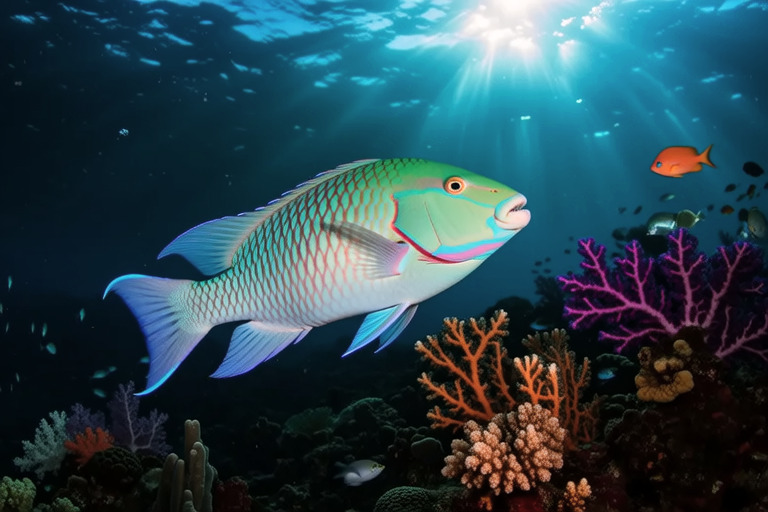
Parrot Fish: The Unsung Heroes Protecting Our Oceans
The oceans cover more than 70% of our planet’s surface, providing a vital habitat for countless species and playing a crucial role in regulating Earth’s climate. Among the myriad of creatures that inhabit these vast waters, one group stands out as an unsung hero: the parrot fish. These colorful and fascinating marine animals play a critical role in maintaining the health of coral reefs and, by extension, the entire marine ecosystem. This article delves into the unique grazing habits of parrot fish, their impact on algae growth, and the threats they face, emphasizing their importance for marine ecosystems.
The Unique Grazing Habits of Parrot Fish
Parrot fish are known for their distinctive beak-like mouths, which they use to scrape algae and small organisms off rocks and corals. Their feeding behavior is not only essential for their survival but also plays a significant role in the health of coral reefs. These fish have a unique way of processing their food; after consuming algae, they excrete fine sand, contributing to the formation of beaches and islands. This process, known as bioerosion, helps to maintain the structural integrity of coral reefs and ensures their long-term survival.
Scientific studies have shown that parrot fish can consume up to 30% of their body weight in algae daily. This voracious appetite allows them to keep algae populations in check, preventing overgrowth that could otherwise smother coral polyps and inhibit their ability to photosynthesize. By controlling algae growth, parrot fish ensure that coral reefs remain healthy and vibrant, providing habitats for numerous other marine species.
The Impact on Algae Growth and Coral Reefs
Coral reefs are some of the most biodiverse ecosystems on the planet, supporting approximately 25% of all marine life despite covering less than 1% of the ocean floor. However, these delicate structures are under threat from various factors, including climate change, pollution, and overfishing. One of the most pressing challenges facing coral reefs is the unchecked growth of algae, which can lead to coral bleaching and death.
Parrot fish help to mitigate this issue by acting as natural lawn mowers for the reef. Their constant grazing prevents algae from overwhelming coral surfaces, allowing sunlight to reach the coral polyps and enabling them to carry out photosynthesis. This symbiotic relationship between parrot fish and coral reefs is crucial for maintaining the balance of marine ecosystems. Without the presence of parrot fish, many coral reefs would likely succumb to algal overgrowth, leading to a cascade of negative effects on biodiversity.
Real-World Examples of Parrot Fish’s Role in Marine Ecosystems
To better understand the importance of parrot fish in marine ecosystems, it is helpful to examine real-world examples where their absence has led to detrimental consequences. In areas where parrot fish populations have been decimated by overfishing or habitat destruction, coral reefs have suffered significantly. For instance, in parts of the Caribbean, declines in parrot fish numbers have coincided with increased algal blooms and reduced coral cover.
One notable case study comes from the Great Barrier Reef in Australia, where researchers have observed that areas with higher concentrations of parrot fish exhibit healthier coral communities compared to those with fewer parrot fish. This finding underscores the critical role these fish play in maintaining the balance of marine ecosystems and highlights the need for conservation efforts to protect them.
Threats Facing Parrot Fish and Their Ecosystems
Despite their importance, parrot fish populations are under threat from various environmental changes and human activities. Overfishing remains one of the most significant dangers, with many species being targeted for their meat and vibrant colors. In some regions, parrot fish are caught using unsustainable fishing practices, such as blast fishing, which not only depletes fish populations but also damages coral reefs.
Climate change poses another major challenge to parrot fish and the ecosystems they support. Rising sea temperatures can lead to coral bleaching events, reducing the availability of suitable habitats for parrot fish and other marine species. Additionally, ocean acidification caused by increased carbon dioxide levels can weaken the skeletons of corals, making them more susceptible to damage from algae and other stressors.
Conclusion: A Call to Action
Parrot fish are truly unsung heroes in the battle to protect our oceans. Their unique grazing habits and ability to control algae growth make them indispensable for maintaining the health of coral reefs and marine ecosystems. As we continue to face environmental challenges, it is essential to recognize the critical role these fish play and take steps to conserve them.
We must prioritize sustainable fishing practices, establish marine protected areas, and reduce greenhouse gas emissions to combat climate change. By doing so, we can help ensure the survival of parrot fish and the countless species that depend on them. Let us not underestimate the power of these small yet mighty creatures and work together to protect these invaluable guardians of our oceans.
Call to action: Urging people to pay attention to protecting these unknown ocean protectors.
