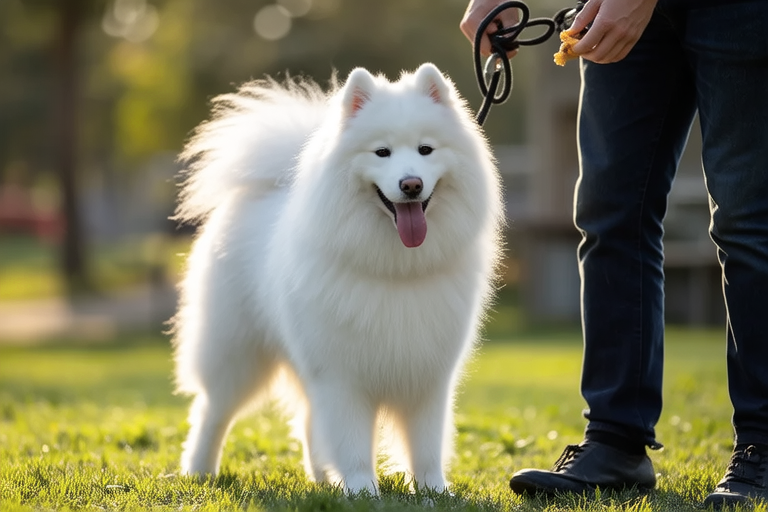
Samoyed Training Hacks: Tips from Expert Dog Trainers
Samoyeds, known for their striking white coats and friendly dispositions, are beloved companions. However, their high energy levels and independent nature can pose unique challenges for owners. This article offers expert-endorsed training methods tailored specifically for Samoyeds, addressing common behavioral issues and providing practical solutions.
Understanding Samoyed Behavior
Samoyeds are intelligent dogs that thrive on mental stimulation. Their history as herding dogs means they have a strong work ethic and a desire to please. However, their independence can sometimes lead to stubbornness, making consistent training essential.
One of the most common behavioral issues among Samoyeds is excessive barking. In a hypothetical scenario, imagine you’ve just returned home after a long day at work, only to be greeted by non-stop barking. This behavior can be frustrating, but it’s important to understand that Samoyeds bark out of excitement or alertness. To address this, start by teaching your Samoyed the ‘quiet’ command. Use treats as rewards when your dog stops barking on command. Consistency is key; every time your Samoyed barks unnecessarily, ask them to ‘quiet’ and reward them with a treat when they comply.
Positive Reinforcement Techniques
Positive reinforcement is a cornerstone of effective Samoyed training. It involves rewarding desired behaviors while ignoring or redirecting unwanted ones. This method fosters a positive relationship between you and your dog, enhancing cooperation and trust.
Incorporating clicker training can significantly enhance positive reinforcement. Clicker training uses a small device that makes a clicking sound to mark the exact moment your Samoyed performs a desired action. For example, if you’re teaching your Samoyed to sit, click the moment they begin to lower themselves, then immediately offer a treat. This precise timing helps your Samoyed understand exactly what behavior is being rewarded.
Real-life example: Sarah, a Samoyed owner, used clicker training to teach her dog to come when called. Initially, her Samoyed would run off when given the opportunity. By using the clicker each time her Samoyed came back and offering a treat, Sarah was able to reinforce the behavior of returning when called. Within a few weeks, her Samoyed responded reliably to the recall command.
Exercise Needs
Samoyeds are energetic dogs that require ample physical activity to stay healthy and happy. A lack of exercise can lead to destructive behavior and obesity. Daily walks and play sessions are crucial. Incorporating interactive games like fetch or tug-of-war can also help channel their energy into productive activities.
Consider incorporating agility training into your Samoyed’s routine. Agility courses provide mental and physical stimulation, helping to tire your dog out and keep them engaged. Real-life example: John, a Samoyed owner, noticed his dog becoming increasingly restless indoors. He introduced agility training, and within a month, John observed a significant improvement in his Samoyed’s behavior and overall happiness.
Socialization Strategies
Socialization is vital for all dogs, but especially for Samoyeds due to their tendency to be wary of strangers. Early socialization can prevent shyness and aggression towards other dogs or people. Expose your Samoyed to various environments, people, and animals during puppyhood. Gradual exposure is key; introduce new experiences slowly and positively.
Hypothetical scenario: You’ve recently adopted a Samoyed puppy and are planning your first trip to the park. Before heading out, ensure your Samoyed is comfortable with the leash and collar. At the park, let your Samoyed explore at their own pace, allowing them to sniff and interact with other dogs and people. Always maintain a positive and calm demeanor, reinforcing good behavior with treats and praise.
Dietary Considerations
A balanced diet is crucial for maintaining your Samoyed’s health and energy levels. High-quality dog food that meets AAFCO standards is recommended. Consult your veterinarian for specific dietary recommendations based on your Samoyed’s age, weight, and activity level.
Some Samoyeds may experience digestive issues, particularly if transitioning to a new diet. Introduce any changes gradually over a week, mixing increasing amounts of the new food with the old. Hydration is also important; ensure fresh water is always available.
Conclusion: Key Takeaways and Continuous Learning
Training your Samoyed requires patience, consistency, and understanding. Positive reinforcement, regular exercise, proper socialization, and appropriate dietary choices are essential components of successful training. Each dog is unique, and what works for one Samoyed may not work for another. Therefore, it’s important to adapt your training approach as needed.
Continuous learning is key. Stay informed about the latest training techniques and consult with professionals when necessary. With dedication and the right approach, you can build a strong bond with your Samoyed and enjoy a lifetime of companionship.
