From Backyard to Home Sweet Home: Setting Up for Your New Three-Striped Box Turtle
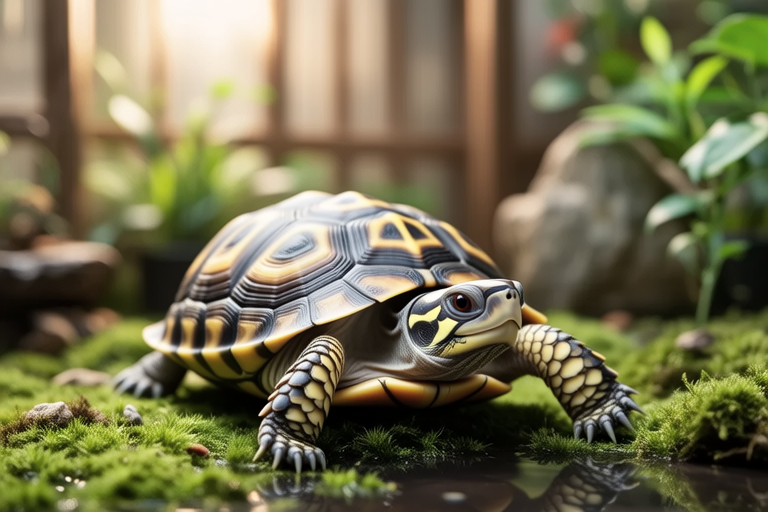
Welcome to the exciting world of turtle keeping! Bringing home a three-striped box turtle (Terrapene carolina triunguis) is a delightful experience that comes with unique responsibilities. These charming reptiles are known for their distinctive three yellow stripes on each side of their head, making them a joy to observe. This guide will walk you through setting up a suitable habitat, understanding their dietary needs, and providing tips for ensuring your turtle’s health and happiness.
Habitat Setup: A Comfortable Home
The first step in creating a perfect home for your three-striped box turtle is designing its habitat. The enclosure should mimic the natural environment of these turtles, which includes areas for basking, swimming, and hiding. For indoor setups, a large glass aquarium with a minimum size of 48 inches long by 24 inches wide is recommended. Outdoor enclosures are ideal, especially during warmer months, but they require careful planning to ensure safety and comfort.
Indoor Enclosure:
- Use a substrate like coconut fiber or cypress mulch, which retains moisture well and provides a natural feel.
- Incorporate various elements such as rocks, logs, and plants to create different levels and hide spots.
- A shallow water dish should be provided for soaking and drinking.
- Ensure proper ventilation to prevent mold growth.
Outdoor Enclosure:
- Construct a secure fence around the area to prevent escapes.
- Provide shaded areas and open spaces for basking.
- Incorporate natural elements like soil, plants, and rocks.
- Ensure there is a dry area away from the water source.
Temperature and Humidity Requirements
Three-striped box turtles thrive in specific temperature ranges. The basking spot should reach about 85 to 90 degrees Fahrenheit, while the cooler end of the enclosure should stay around 70 to 75 degrees. Nighttime temperatures can drop slightly, but should not fall below 60 degrees. Proper humidity levels are also crucial, ideally between 60% and 80%. This can be maintained through regular misting, using a humidifier, or incorporating a water feature.
It’s important to monitor these conditions closely, as fluctuations can stress the turtle and lead to health issues. Thermometers and hygrometers placed at different points within the enclosure will help you keep track of the temperature and humidity.
Dietary Needs: Nourishing Your Turtle
Feeding your three-striped box turtle a balanced diet is essential for its overall health. Their diet should consist primarily of live insects, leafy greens, and vegetables. Offer a variety of foods to ensure nutritional balance:
- Leafy greens such as collard greens, dandelion leaves, and romaine lettuce.
- Vegetables like squash, carrots, and bell peppers.
- Live insects such as crickets, earthworms, and mealworms.
Commercial turtle food can be used as a supplement, but it should not form the main part of the diet. It’s also important to provide calcium supplements to support bone health, especially for younger turtles. Always ensure fresh water is available for drinking and soaking.
Tips for Ensuring Health and Happiness
Creating a safe and enriching space for your turtle is vital. Here are some additional tips:
- Regularly clean the enclosure to maintain hygiene.
- Provide UVB lighting for 10 to 12 hours a day to aid in vitamin D3 synthesis.
- Handle your turtle gently and infrequently to reduce stress.
- Monitor for signs of illness, such as lethargy, loss of appetite, or unusual behavior.
Three-striped box turtles have unique needs compared to other species. They are more terrestrial than aquatic, preferring to spend most of their time on land. This means that while they enjoy water for soaking, they don’t need deep pools for swimming. Additionally, their dietary preferences lean towards a mix of plant matter and protein sources, unlike some aquatic species.
Pitfalls to Avoid
Setting up the wrong environment can lead to health problems. Some common mistakes include:
- Using gravel or sand as substrate, which can cause impaction if ingested.
- Not providing adequate hiding spots, leading to stress.
- Overfeeding or feeding inappropriate foods.
- Ignoring the importance of UVB lighting.
By avoiding these pitfalls and following the guidelines above, you can ensure your turtle has a healthy and happy life.
Building a Bond with Your Pet
Spending quality time with your turtle can strengthen your bond. While they may not respond to commands like dogs, they can recognize their owners and show affection through their behavior. Gently handling your turtle and providing enrichment activities, such as moving objects in their enclosure, can make interactions enjoyable for both of you.
Seeking Further Expert Advice
If you encounter any issues or have questions about your turtle’s care, don’t hesitate to consult with a veterinarian specializing in reptiles or join online forums and communities dedicated to turtle care. Experts can provide valuable insights and support, helping you ensure your pet’s well-being.
In conclusion, bringing a three-striped box turtle into your home is a rewarding endeavor. By setting up a suitable habitat, providing a balanced diet, and monitoring their health, you can ensure your turtle leads a fulfilling life. Remember, each turtle is unique, so pay close attention to its individual needs and behaviors. With love and care, your new pet will become a cherished member of your family.
