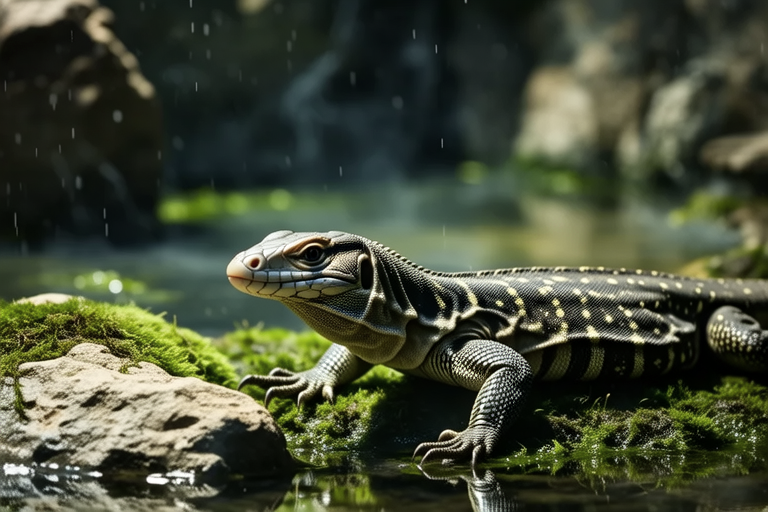
From Jungle to Home: Caring for Your Water Monitor
Welcome to the fascinating world of water monitors! These large, intelligent reptiles are native to the lush jungles and rivers of Southeast Asia. Owning a water monitor can be an enriching experience, but it also comes with significant responsibilities. This comprehensive guide will walk you through everything you need to know about caring for your water monitor, from understanding their natural habitat to providing proper healthcare and handling.
The Natural Habitat of Water Monitors
Water monitors (Varanus salvator) are semi-aquatic lizards that thrive in tropical environments. They are most commonly found in the rainforests, mangrove swamps, and riverbanks of countries like Indonesia, Malaysia, and Thailand. Their habitats are characterized by dense vegetation, abundant water sources, and plenty of hiding spots. In these environments, water monitors are excellent swimmers and climbers, adept at hunting fish, birds, and small mammals.
Understanding their natural habitat is crucial for replicating it in captivity. While you cannot recreate a jungle, you can provide a stimulating environment that mimics their wild surroundings. This includes a spacious enclosure with both land and water areas, as well as plenty of climbing structures and hiding places.
Dietary Needs of Water Monitors
Water monitors are carnivorous and have a varied diet in the wild. Their meals consist of fish, amphibians, small mammals, birds, insects, and even carrion. In captivity, it is essential to provide a balanced diet that meets their nutritional needs. This typically includes pre-killed rodents, fish, and occasional insects. It is important to offer a variety of prey items to ensure they receive all necessary nutrients.
Young water monitors require more frequent feeding, usually every other day, while adults can be fed once or twice a week. Overfeeding should be avoided to prevent obesity, which can lead to health issues. Always remove uneaten food to maintain hygiene in the enclosure.
Housing Requirements
Creating a suitable home for your water monitor is one of the most challenging aspects of ownership. These lizards grow rapidly and can reach lengths of over six feet, so a large enclosure is necessary. A minimum starting size of 6 x 3 x 4 feet (length x width x height) is recommended for juveniles, with the enclosure increasing in size as the lizard grows.
The enclosure should include both terrestrial and aquatic areas. The water area should be deep enough for swimming and large enough for the monitor to submerge completely. Water quality is crucial, so regular water changes and filtration systems are advised.
Proper heating and lighting are vital for the health of your water monitor. A basking spot should be provided with a temperature range of 95-100°F (35-38°C). Ambient temperatures should range between 80-85°F (27-29°C) during the day and slightly cooler at night. UVB lighting is essential for calcium absorption and overall health.
Health Care Essentials
Regular veterinary check-ups are crucial for the health of your water monitor. Common health issues include respiratory infections, parasites, and metabolic bone disease. Early detection and treatment are key to preventing serious complications.
Maintaining good hygiene in the enclosure is another critical aspect of health care. Regular cleaning, proper substrate, and appropriate humidity levels help prevent skin and respiratory infections. Monitoring your monitor’s weight and behavior can also indicate potential health issues early on.
Vaccinations are not typically required for reptiles, but regular fecal exams can help detect and treat internal parasites. Providing a balanced diet and a healthy environment are the best defenses against illness.
Tips for Handling and Bonding
Handling your water monitor requires patience and respect. These lizards are powerful and can deliver painful bites if mishandled. Always handle your monitor gently and securely, supporting its body and tail to avoid injury.
Bonding with your water monitor takes time and consistency. Start by offering treats and gradually increase the amount of time spent together. Some monitors may never become fully tame, but many can learn to tolerate regular handling. Always observe your monitor’s body language to gauge its comfort level.
Unique Challenges and Rewards
Owning a water monitor presents several unique challenges. These animals require a significant investment of time, space, and resources. They also demand a high level of commitment from their owners. However, the rewards of owning such an intelligent and captivating creature are immeasurable. Watching your monitor explore its enclosure, swim, and climb can be incredibly rewarding.
For beginners, it is essential to thoroughly research and prepare before bringing a water monitor into your home. Experienced reptile owners should also remain vigilant, as these lizards continue to present new challenges as they grow and mature.
Practical Advice for Beginners and Experienced Owners
For beginners, start with a smaller enclosure and gradually increase the size as your monitor grows. Invest in high-quality equipment and supplies to ensure your monitor’s health and safety. Join local reptile clubs or online forums to connect with experienced owners who can offer valuable advice and support.
Experienced owners should always stay informed about advancements in reptile care and be prepared to adapt their practices as needed. Regularly updating your knowledge ensures that you provide the best possible care for your water monitor.
In conclusion, caring for a water monitor is a rewarding endeavor that requires dedication and expertise. By understanding their natural habitat, meeting their dietary needs, providing appropriate housing, and maintaining their health, you can enjoy a fulfilling relationship with these remarkable creatures. Whether you’re a beginner or an experienced owner, the journey of caring for a water monitor is sure to be both challenging and enriching.
