Unraveling the Myths: What Really Makes Bettas Happy?
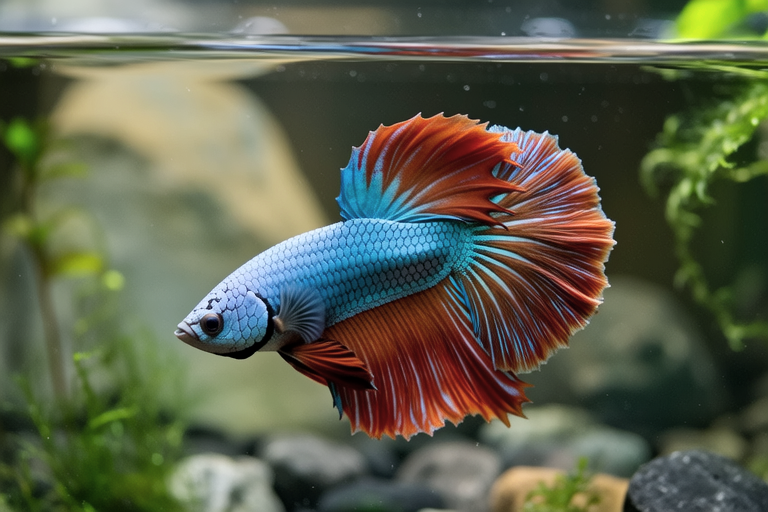
Betta fish, also known as Siamese fighting fish, are among the most popular choices for aquarium enthusiasts. Their vibrant colors and flowing fins make them visually appealing, but there’s more to keeping these creatures happy and healthy than meets the eye. This article aims to debunk common myths about betta care and provide scientifically-backed insights into what truly makes these fish thrive.
The Natural Habitat of Betta Fish
To understand how to best care for bettas, it’s essential to look at their natural environment. Native to Southeast Asia, particularly Thailand, Cambodia, and Vietnam, bettas inhabit slow-moving waters like rice paddies, drainage ditches, and floodplains. These areas are often warm, shallow, and heavily vegetated, providing ample hiding spots and surface area for breathing. The water is usually soft and slightly acidic, with temperatures ranging from 78°F to 82°F (25°C to 28°C).
Myth 1: Betta Fish Can Live in Small Bowls
One of the most pervasive myths about betta care is that they can thrive in small bowls. While it’s true that bettas have labyrinth organs that allow them to breathe air directly from the surface, this doesn’t mean they don’t need adequate space and proper water conditions. In fact, a minimum tank size of five gallons is recommended to ensure the water quality remains stable and provides enough room for swimming.
Myth 2: Betta Fish Are Solitary Creatures
Another misconception is that bettas prefer solitude. Although male bettas are territorial and aggressive towards each other, they can coexist peacefully with other non-aggressive fish species. However, it’s crucial to choose compatible tank mates carefully and ensure there’s enough space for everyone. Female bettas, on the other hand, can live together in groups known as sororities, provided the tank is large enough and has plenty of hiding spots.
Water Quality and Tank Conditions
Water quality is paramount for betta health. Regular partial water changes (about 20-30% weekly) help maintain clean, stable conditions. Ammonia, nitrite, and nitrate levels should be monitored regularly, as high concentrations can be toxic. A properly cycled tank with appropriate filtration is necessary to keep these levels in check. Additionally, maintaining a consistent temperature within the range mentioned earlier is vital.
Diet Preferences
Bettas are carnivorous by nature and require a balanced diet rich in protein. High-quality betta pellets, frozen or freeze-dried bloodworms, brine shrimp, and daphnia are excellent food options. It’s important to feed bettas small amounts two to three times daily, rather than overfeeding, which can lead to obesity and poor water quality. Variety in their diet ensures they receive all necessary nutrients for optimal health.
Social Behavior and Enrichment Activities
Providing mental stimulation through enrichment activities is just as crucial as physical care. Floating plants, caves, and tunnels offer hiding places and encourage exploration. Betta fish are intelligent and enjoy interacting with their environment. Watching their behavior can be both entertaining and educational for owners.
Choosing Suitable Tank Mates
When selecting tank mates for your betta, consider species that won’t trigger aggression or compete for food. Peaceful community fish such as neon tetras, guppies, and harlequin rasboras make good companions. Avoid aggressive or fin-nipping fish, as well as those that might mistake betta fins for food. Always research potential tank mates thoroughly before introducing them to your betta’s home.
Practical Tips for Betta Owners
- Regular Maintenance: Perform routine maintenance tasks like cleaning filters and performing water changes to prevent the buildup of harmful substances.
- Temperature Control: Use a heater to maintain a steady temperature, especially during colder months.
- Monitoring pH Levels: Keep track of pH levels using test kits and adjust accordingly to maintain slightly acidic water.
- Enrichment: Offer toys and structures that promote exploration and reduce boredom.
- Observation: Pay attention to your betta’s behavior; changes could indicate stress or illness.
Conclusion
By understanding the true needs of betta fish, aquarists can provide them with environments that closely mimic their natural habitats. Debunking myths surrounding betta care and adhering to scientific principles will ensure these beautiful creatures lead healthy, happy lives. With proper attention to water quality, diet, social interaction, and enrichment, betta owners can enjoy long-term companionship with their aquatic friends.
