From the Tropics to Your Tank: Everything You Need to Know About Arowana
The Arowana, a majestic and ancient fish species, has captivated the hearts of aquarists worldwide with its striking appearance and regal demeanor. Originating from the tropical waters of Asia and South America, these freshwater giants have adapted to various environments, making them both fascinating and challenging pets. This comprehensive guide will walk you through everything you need to know about Arowana, from their unique physical characteristics and dietary needs to tank setup requirements and common health issues.
Origin and Habitat
Arowanas are native to the tropical regions of Asia and South America. The Asian varieties, including the Silver Arowana (Osteoglossum bicirrhosum), are found in countries like Indonesia, Malaysia, Thailand, and Singapore. They inhabit slow-moving rivers, floodplains, and swamps. In contrast, the South American varieties, such as the Silver Arowana, live in the Amazon Basin and its tributaries. These habitats are characterized by warm water temperatures, high humidity, and abundant vegetation.
Physical Characteristics
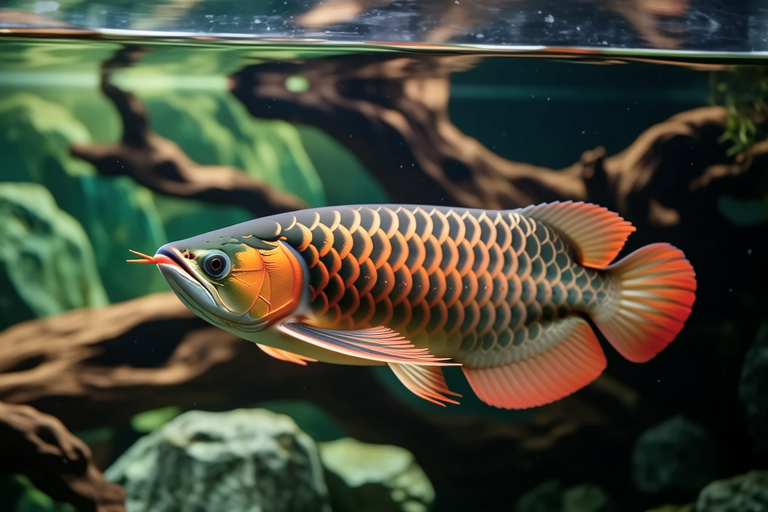
Arowanas are known for their elongated bodies, robust dorsal and anal fins, and a distinctive long lower jaw with barbels. Their scales are large and iridescent, giving them a shimmering appearance that can range from silver to green, depending on the species. Adult Arowanas can grow up to three feet in length, making them one of the largest freshwater fish suitable for aquariums.
Dietary Needs
Arowanas are carnivorous predators with a diet consisting mainly of insects, small fish, crustaceans, and amphibians. In captivity, they require a varied diet to maintain optimal health. High-quality pellets, frozen or freeze-dried foods, and occasional live feeder fish can provide the necessary nutrients. It’s important to avoid overfeeding, as this can lead to obesity and other health issues.
Tank Setup Requirements
Owning an Arowana requires a substantial investment in terms of space and equipment. A mature Arowana needs at least a 240-gallon tank with ample swimming space. The tank should be equipped with a powerful filtration system, as Arowanas produce a significant amount of waste. Regular water changes and maintaining stable water parameters are crucial for their well-being.
Arowanas prefer calm water conditions with a pH level between 6.8 and 7.5 and a temperature range of 78-82°F. Decorations should be carefully chosen to avoid injuring the fish. Smooth rocks, driftwood, and sturdy plants are recommended. Ensure there are no sharp edges or spaces where the fish could get stuck.
Behavioral Traits
Arowanas are generally peaceful but can become territorial as they mature. They are known for their jumping abilities, so a secure lid is essential to prevent escapes. Arowanas are intelligent and curious, often displaying interactive behavior with their owners. Providing enrichment through feeding sessions and toys can help stimulate their minds.
Differences Between Species
There are several species of Arowana suitable for aquariums, each with its own distinct features:
- Silver Arowana (Osteoglossum bicirrhosum): Native to South America, this species is known for its vibrant colors and active nature. They are highly social and thrive in groups.
- Asian Arowana (Scleropages formosus): Found in Southeast Asia, these Arowanas come in various color morphs, including red, gold, and albino. They are more solitary and less active compared to their South American counterparts.
- Jewel Arowana (Scleropages jardinii): Native to Australia, these fish are prized for their stunning metallic sheen. They are less aggressive and more docile than other species.
Common Health Issues
Proper care and maintenance are vital to preventing health problems in Arowanas. Some common issues include fin rot, bacterial infections, and parasitic infestations. Regular monitoring of water quality and a balanced diet can help mitigate these risks. Quarantine new additions to the tank to prevent introducing diseases.
Caring Tips for Beginners and Experienced Aquarists
For beginners, it’s crucial to start with smaller, hardier species like the Silver Arowana. Gradually acclimate your Arowana to the tank environment by floating the bag in the tank water for 15-20 minutes before releasing the fish. Monitor water parameters closely during this period.
Experienced aquarists can consider more specialized species and setups. Regularly check for signs of stress, such as loss of appetite or abnormal behavior. Implement a consistent feeding schedule and provide a variety of nutritious foods.
Responsibility and Conservation Efforts
Owning an Arowana comes with great responsibility. These fish are often endangered in the wild due to habitat destruction and overfishing. Supporting sustainable practices and purchasing captive-bred specimens can help preserve wild populations. Additionally, participating in conservation programs and spreading awareness about the importance of protecting aquatic ecosystems are vital steps towards ensuring the survival of these magnificent creatures.
In conclusion, Arowanas are truly remarkable fish that demand respect and dedication. By understanding their origins, dietary needs, and behavioral traits, you can provide a nurturing environment for these ancient beauties. With proper care and commitment, you can enjoy the companionship of these majestic creatures for years to come.
