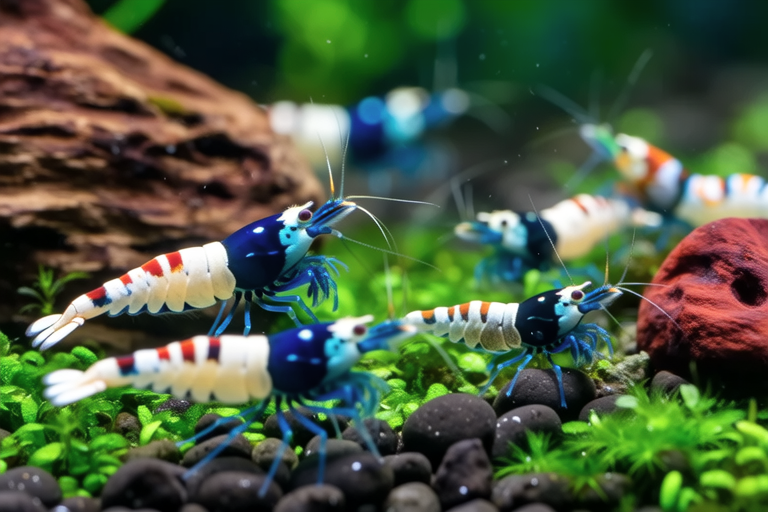
How Coral Shrimp Are Bringing Color and Life to Aquascaping
In the world of aquascaping, the quest for creating visually stunning and biologically balanced underwater landscapes is paramount. One of the most enchanting additions to any aquascape is the coral shrimp. These tiny creatures bring not only vibrant colors but also a dynamic element that enhances the overall aesthetic appeal and ecological health of the tank. This article explores how coral shrimp can transform your aquascape, detailing their unique behaviors, contributions to tank cleanliness, and symbiotic relationships within the aquarium ecosystem. Additionally, we’ll provide tips for incorporating coral shrimp into various aquascaping styles, addressing challenges and benefits for both novice and seasoned aquarists.
The Vibrant Colors and Unique Behaviors of Coral Shrimp
Coral shrimp, belonging to the genus Pleocyemata, are known for their striking hues that range from bright reds and oranges to pastel pinks and purples. Their vivid coloring makes them stand out against the greenery of live plants and the natural substrate, adding a splash of life to any aquascape. Beyond their visual appeal, these shrimps exhibit fascinating behaviors that captivate viewers. They are highly active, constantly exploring their surroundings, cleaning algae off surfaces, and scavenging for food particles. Watching them dart around the tank can be as mesmerizing as observing the movement of fish.
One of the most captivating aspects of coral shrimp is their interaction with their environment. They are adept at navigating through dense plantings, often using their antennae to sense their way. Their movements are graceful yet purposeful, contributing to the overall harmony of the aquascape. Additionally, their ability to clean algae from rocks and decorations helps maintain the pristine appearance of the tank, ensuring that the aquascape remains visually appealing over time.
Maintaining Tank Cleanliness
One of the primary roles of coral shrimp in an aquascape is their contribution to tank cleanliness. These diligent cleaners help control algae growth by consuming it, thus preventing the overgrowth that can detract from the beauty of the setup. They also assist in breaking down organic matter, which aids in keeping the water parameters stable and promoting the health of other inhabitants in the tank. By actively participating in the maintenance of the tank’s cleanliness, coral shrimp reduce the workload for the aquarist, allowing more time to focus on enhancing the aquascape itself.
The symbiotic relationship between coral shrimp and the tank’s environment is crucial for its sustainability. Their presence encourages the growth of beneficial bacteria, which play a vital role in the nitrogen cycle. This cycle ensures that harmful waste products are converted into less toxic compounds, thereby maintaining water quality. Coral shrimp indirectly contribute to this process by removing excess nutrients that could otherwise lead to imbalances in the tank.
Symbiotic Relationships Within the Aquarium Ecosystem
Coral shrimp thrive in environments where they can establish symbiotic relationships with other aquatic organisms. They form close associations with certain species of snails, particularly those that graze on algae. These partnerships benefit both parties: the shrimp receive a steady supply of food, while the snails have their grazing areas cleaned more efficiently. Furthermore, coral shrimp can coexist harmoniously with small fish, such as tetras or rasboras, as long as there is ample hiding space and food available. The shrimp’s presence can even deter some pests, such as planaria, which might otherwise disrupt the balance of the ecosystem.
Creating a habitat that supports these symbiotic relationships requires careful planning. Providing plenty of hiding spots, such as driftwood, rocks, and live plants, allows coral shrimp to feel secure and thrive. It’s essential to ensure that the tank has a balanced population of algae-eating organisms, as this helps prevent overgrazing and maintains the delicate equilibrium of the ecosystem. By fostering these relationships, aquarists can create a thriving community that enhances the overall health and beauty of the aquascape.
Tips for Incorporating Coral Shrimp into Various Aquascaping Styles
Incorporating coral shrimp into different aquascaping styles requires thoughtful consideration of their needs and the aesthetics of the setup. For minimalist aquascapes, such as Iwagumi, coral shrimp can be a focal point, adding color and movement without overwhelming the simplicity of the design. In this style, it’s important to choose a variety of shrimp that complements the muted tones of the tank, such as light pink or orange specimens. Ensuring that there is sufficient algae growth to sustain the shrimp is crucial, so incorporating a few strategically placed rocks or driftwood pieces can encourage the development of algae patches.
For more complex designs, like Dutch or Paludarium styles, coral shrimp can add a layer of dynamism. In these setups, the shrimp’s activity can complement the intricate arrangements of plants and hardscapes. To maximize their impact, consider placing them in areas where they can be easily observed, such as near the front glass or under well-lit sections of the tank. Providing ample hiding spaces and food sources will help them thrive in these environments. Additionally, incorporating biofilm-producing materials, like porous rocks or sponges, can provide an additional food source for the shrimp.
When introducing coral shrimp into a new tank, it’s important to acclimate them properly to avoid stress and potential loss. Gradually adjust the water temperature and pH to match that of the tank, and ensure that there is enough algae and food available for them to settle in comfortably. Regular monitoring of water parameters and the shrimp’s behavior can help identify any issues early on, allowing for timely intervention if necessary.
Challenges and Benefits for Hobbyists
While incorporating coral shrimp into an aquascape offers numerous benefits, there are also challenges that hobbyists should be aware of. One common issue is the risk of overpopulation, which can lead to excessive algae consumption and nutrient depletion. To mitigate this, it’s important to monitor the shrimp population and make adjustments as needed. Introducing new shrimp gradually and ensuring a balanced diet can help maintain a healthy population size.
Another challenge is the potential for aggression among shrimp species, especially when introducing new varieties into an existing tank. To minimize conflicts, it’s advisable to quarantine new shrimp before introducing them to the main tank. Observing their behavior during this period can help identify any aggressive tendencies and allow for appropriate action to be taken.
The benefits of adding coral shrimp to an aquascape are manifold. Their vibrant colors and unique behaviors bring life and interest to the tank, making it a more engaging and enjoyable experience for both the aquarist and observers. Moreover, their role in maintaining tank cleanliness and supporting the overall health of the ecosystem cannot be overstated. For hobbyists, the satisfaction of watching these tiny creatures thrive in a carefully crafted environment is reward enough, making them an invaluable addition to any aquascape.
Whether you’re a beginner just starting to explore the world of aquascaping or an experienced aquarist looking to enhance your current setup, incorporating coral shrimp can elevate your tank to new levels of beauty and biological complexity. With proper care and attention, these delightful creatures will bring joy and vitality to your underwater landscape for years to come.
