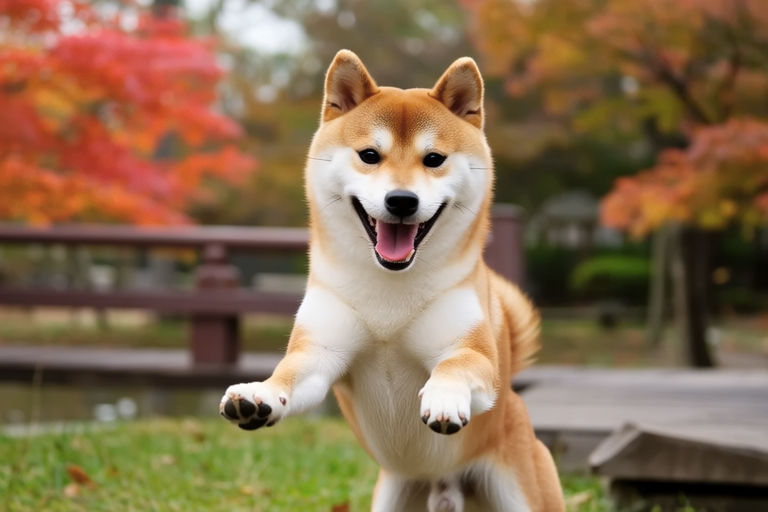
The Clown Dogs of Japan: An Exploration of Shiba Inus
Shiba Inus, native to Japan, have earned the affectionate nickname “Clown Dogs” due to their unique behaviors and playful personalities. These small, spirited dogs have captivated hearts for centuries with their clownish antics, expressive faces, and sometimes stubborn yet charming attitudes. This article delves into the reasons behind this moniker, highlighting the breed’s historical significance, behavior patterns, and cultural resonance within Japan.
A Brief History of Shiba Inus
The origins of Shiba Inus date back over a thousand years, making them one of the oldest dog breeds in the world. Originally bred for hunting in the mountainous regions of Japan, Shibas were valued for their keen sense of smell and agility. Their name, “Shiba,” translates to “brushwood” or “small,” referencing both the brushwood forests where they hunted and their compact size. Despite their hunting prowess, it was their endearing and unpredictable nature that earned them the title of “Clown Dogs.”
Unique Behaviors and Playful Personalities
Shibas are known for their mischievous playfulness, which often manifests in ways that can be both entertaining and challenging for owners. One of the most notable aspects of their clownish behavior is their love for games that involve chasing and retrieving objects. They are particularly fond of toys that resemble prey, such as balls or frisbees. However, their playful nature can sometimes lead to trouble, as they may engage in activities that could be considered destructive, like digging up gardens or chewing on furniture.
Another hallmark of their clownish demeanor is their expressive faces. Shibas are masters at conveying a wide range of emotions through their facial expressions. A common sight is a Shiba standing with its head tilted, eyes wide open, and ears perked, looking as though it is deep in thought. This expression, often referred to as the “Shiba face,” has become an internet sensation, capturing the hearts of dog lovers worldwide. Their ability to look both adorable and intelligent simultaneously adds to their appeal.
In addition to their facial expressions, Shibas are known for their independent and sometimes stubborn nature. This trait can be both a challenge and a source of amusement for their owners. For example, Shibas may refuse to obey commands unless they feel like it, leading to moments of frustration and humor. However, their stubbornness also makes them incredibly loyal and determined, qualities that endear them to their owners.
Historical Context and Cultural Resonance
The Shiba Inu’s reputation as a “Clown Dog” is deeply rooted in Japanese culture. In traditional Japanese society, dogs were often seen as companions rather than just pets, and Shibas were no exception. Their playful and mischievous nature made them popular among families, especially children, who found their antics both amusing and endearing. Over time, Shibas became symbols of joy and laughter, embodying the spirit of playfulness and spontaneity that is cherished in Japanese culture.
In modern times, Shibas continue to be celebrated in Japanese media and pop culture. They frequently appear in anime, manga, and video games, often depicted as quirky, lovable characters. The breed’s popularity has also spread internationally, with many people outside of Japan adopting Shibas for their unique personalities and striking appearance. Their enduring charm lies in their ability to bring joy and laughter into people’s lives, much like clowns do in circuses and carnivals.
Training Challenges and Successes
Training a Shiba Inu can be both rewarding and challenging due to their independent and sometimes stubborn nature. Owners often find themselves dealing with unexpected behaviors and challenges, but these experiences can also lead to deeper bonds between owner and dog. For instance, Shibas may resist commands or exhibit selective hearing, leading to humorous situations where they seem to ignore their owners entirely. However, with patience and consistency, Shibas can be trained successfully.
One effective training method for Shibas is positive reinforcement, which involves rewarding desired behaviors with treats, praise, or playtime. This approach helps build trust and strengthens the bond between owner and dog. Another important aspect of training Shibas is setting clear boundaries and expectations from an early age. Consistency is key, as Shibas thrive in environments where rules are well-defined and enforced.
Despite their clown-like unpredictability, Shibas can excel in various dog sports and activities, such as agility trials and obedience competitions. Their intelligence and agility make them natural athletes, and with proper training, they can perform complex tasks with precision and grace. Moreover, Shibas are highly adaptable and can thrive in a variety of living situations, from small apartments to large homes with yards. Their ability to adjust to different environments and lifestyles further contributes to their appeal as companion animals.
Conclusion
The Shiba Inu’s nickname “Clown Dog” aptly captures the breed’s unique blend of playfulness, independence, and charm. From their expressive faces to their mischievous antics, Shibas bring joy and laughter into the lives of those who share their homes. Their historical significance and cultural resonance within Japan only add to their allure, making them beloved members of families across the globe. While training Shibas can present challenges, the rewards of owning one of these delightful dogs are immeasurable. Whether you’re a seasoned dog lover or new to the world of canine companions, a Shiba Inu is sure to provide endless entertainment and companionship.
