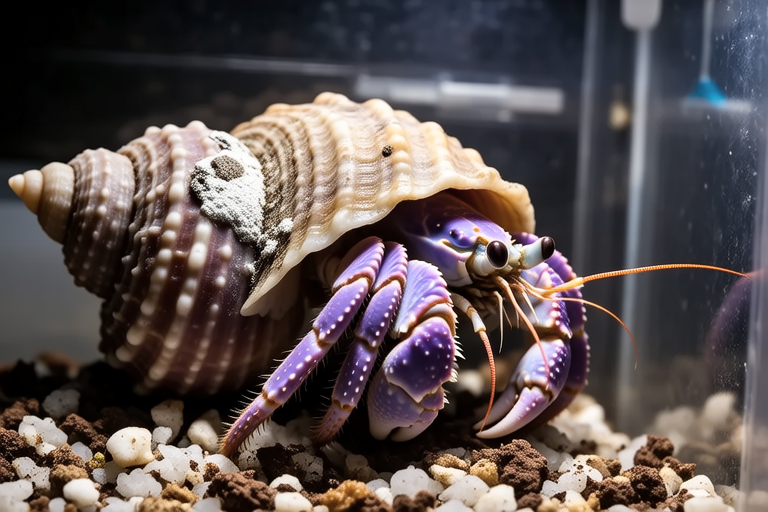
How to Spot and Treat Common Health Issues in Your Hermit Crab
Welcome to this comprehensive guide on how to spot and treat common health issues in your hermit crab. Whether you’re a beginner or an experienced hermit crab owner, understanding the signs of illness, common health problems, and how to maintain optimal tank conditions is crucial for your pet’s well-being.
Identifying Signs of Illness
Your hermit crab can exhibit various signs of illness that may include unusual behavior and physical symptoms. Environmental factors also play a significant role in their health.
Unusual Behavior
Hermit crabs are naturally active and curious creatures. If you notice changes in their activity level, appetite, or social behavior, it might indicate a health problem. Some common behavioral changes include:
- Sudden lethargy or lack of movement
- Refusal to eat or drink
- Excessive hiding
- Aggression towards other crabs
Physical Symptoms
Physical symptoms can be more obvious and may include:
- Swollen limbs or joints
- Discoloration or soft spots on the exoskeleton
- Abnormal gill appearance
- Dragging of the abdomen or legs
Environmental Factors
The environment within your hermit crab’s tank can significantly impact its health. Pay attention to the following:
- Maintaining proper humidity levels (70-80%)
- Adequate temperature range (75-85°F)
- Pure water supply for drinking and soaking
- Regular cleaning of the substrate and tank
Common Health Issues and Their Treatments
Several common health issues affect hermit crabs, including molting problems, shell disease, and parasites.
Molting Problems
Molting is a natural process where hermit crabs shed their exoskeleton to grow. However, problems during this period can lead to severe complications.
- Signs: Lethargy, reduced activity, refusal to eat, or softening of the exoskeleton
- Treatment: Ensure the tank has a shallow water dish for soaking, provide extra calcium sources like cuttlebone, and avoid disturbing the crab during this sensitive time
- Prevention: Maintain consistent humidity and temperature, offer a variety of foods rich in calcium and other essential nutrients
Shell Disease
Shell disease, also known as ganglionic necrosis, is a bacterial infection that affects the exoskeleton of hermit crabs.
- Signs: Soft spots, discoloration, or pitting on the shell
- Treatment: Quarantine the affected crab, clean the tank thoroughly, and consider using antiseptic baths under veterinary supervision
- Prevention: Regularly inspect shells for any signs of damage or disease, avoid overcrowding, and ensure good hygiene practices
Parasites
Parasitic infections can cause significant distress to your hermit crab.
- Signs: Visible parasites, excessive grooming, weight loss, or listlessness
- Treatment: Consult a veterinarian specializing in exotic pets for appropriate medication. Clean the tank and quarantine infected crabs to prevent spread
- Prevention: Regularly check for signs of infestation, maintain cleanliness, and avoid introducing new crabs without quarantine
Maintaining Optimal Tank Conditions
Creating and maintaining optimal tank conditions is key to preventing many health issues. Here are some tips:
- Ensure the tank has a suitable substrate, such as coconut fiber or crushed coral, to facilitate burrowing and molting
- Provide ample space for each crab, ideally at least 10 gallons per crab
- Incorporate hiding spots, climbing structures, and enrichment toys to keep them mentally stimulated
- Regularly monitor and adjust humidity and temperature levels to meet the specific needs of your species
By understanding the signs of illness, recognizing common health issues, and maintaining optimal tank conditions, you can ensure your hermit crab lives a healthy and happy life. Remember, early intervention is crucial for effective treatment and recovery.
