Dutch Dwarf Rabbits: From Active Hoppers to Relaxed Snugglers
The Dutch Dwarf rabbit is a charming and unique breed that has captured the hearts of many pet owners. Known for their small size, distinctive markings, and friendly demeanor, these rabbits are a delightful addition to any household. This article delves into the origins, characteristics, care requirements, and behaviors of Dutch Dwarf rabbits, offering valuable insights for potential and current owners.
Origins and History
The Dutch Dwarf rabbit breed originated in the Netherlands in the early 20th century. It was developed by crossing smaller breeds like the Netherland Dwarf with larger breeds such as the Dutch rabbit. The goal was to create a compact, yet robust rabbit with appealing physical features. The result is a breed that combines the elegance of the Dutch rabbit with the compactness of the Netherland Dwarf.
Unique Characteristics
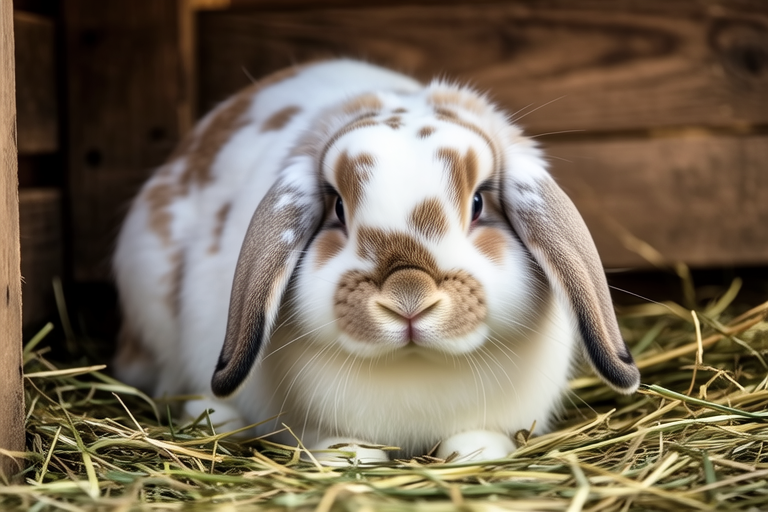
Dutch Dwarfs are known for their striking appearance, featuring a white base coat with a contrasting colored marking on their head, back, and tail. Common colors include black, chocolate, blue, and lilac. These rabbits typically weigh between 1.5 to 2.5 pounds, making them one of the smallest breeds of domesticated rabbits. Despite their petite size, they have a sturdy build and a short, dense coat that feels soft to the touch.
Care Requirements
Ideal Living Conditions
Dutch Dwarfs thrive in environments that are clean, spacious, and safe. They require a secure, well-ventilated cage or enclosure with ample room for movement. The cage should be placed in a quiet area away from direct sunlight and drafts. Providing a separate area for feeding, sleeping, and toileting can help reduce stress and promote a healthier living environment. Additionally, Dutch Dwarfs enjoy exploring their surroundings, so it’s beneficial to offer them supervised time outside of their cage to stretch their legs and engage in natural behaviors.
Dietary Needs
A balanced diet is crucial for maintaining the health of Dutch Dwarfs. Their primary food source should be high-quality hay, which aids in digestion and dental health. Fresh vegetables, fruits, and pellets formulated for small rabbits should be offered in moderation. Ensure a constant supply of fresh water, preferably in a sipper bottle to prevent spillage. Avoid feeding them foods high in sugar or starch, as these can lead to obesity and other health issues.
Common Health Issues
Like all small animals, Dutch Dwarfs are susceptible to certain health problems. One of the most common issues is dental disease, which can occur if the teeth do not wear down properly due to insufficient chewing. Regular dental check-ups are essential to prevent this condition. Other health concerns include respiratory infections, digestive disorders, and skin problems. Regular veterinary check-ups and a healthy diet can help mitigate these risks.
Behavioral Traits
Dutch Dwarfs are known for their playful and curious nature, especially when they are young. They love to hop around and explore their surroundings, often displaying a high level of energy. However, as they mature, they tend to become more relaxed and affectionate, enjoying the company of their human companions. They are generally gentle and easy to handle, making them ideal pets for families with children. Dutch Dwarfs are also social creatures and benefit from having another rabbit companion, but it’s important to introduce new rabbits gradually to avoid stress or aggression.
Bonding and Training
Building a strong bond with your Dutch Dwarf requires patience, consistency, and positive reinforcement. Start by spending time with your rabbit in its cage, allowing it to become comfortable with your presence. Gradually increase the duration of your visits and offer treats as rewards for good behavior. Once your rabbit is used to you, you can begin introducing it to handling. Gently pick up your rabbit, supporting its body and head, and provide praise and treats to reinforce the experience. With time and effort, your Dutch Dwarf will become a loving and responsive companion.
Grooming and Exercise
Grooming
Dutch Dwarfs have a short, dense coat that requires minimal grooming. A weekly brushing with a soft-bristled brush is usually sufficient to remove loose fur and prevent matting. During shedding seasons, more frequent grooming may be necessary to keep their coat in top condition. Bathing should only be done when absolutely necessary, as excessive bathing can strip the natural oils from their skin.
Exercise
Providing adequate exercise is vital for the physical and mental well-being of Dutch Dwarfs. While they can get some exercise within their cage, it’s important to allow them supervised playtime outside of their enclosure. A safe, enclosed space, such as a rabbit-proofed room or a large exercise pen, allows them to run, jump, and explore. This helps maintain their muscle tone, prevents boredom, and promotes overall health.
Suitability as Pets
Dutch Dwarfs are well-suited for various types of households, including families with children, singles, and seniors. Their small size makes them manageable for apartment living, provided they have enough space to move around comfortably. However, it’s important to note that rabbits are not low-maintenance pets. They require regular care, attention, and a commitment to their well-being. Potential owners should be prepared to invest time and resources into providing a stimulating and enriching environment for their Dutch Dwarf.
Expert Advice
To ensure the best care for your Dutch Dwarf, consult with a veterinarian who specializes in exotic animals. They can provide personalized advice based on your rabbit’s specific needs and circumstances. Additionally, joining a local or online rabbit club can connect you with experienced owners who share valuable tips and resources.
In conclusion, Dutch Dwarf rabbits are delightful companions that bring joy and companionship to their owners. By understanding their unique characteristics, care requirements, and behaviors, you can provide a happy and healthy life for your compact companion. With proper attention, care, and love, your Dutch Dwarf will transition from an active hopper to a relaxed snuggler, becoming a cherished member of your family.
