Discovering the Hidden World of Three-Striped Box Turtles: A Complete Guide
Introduction
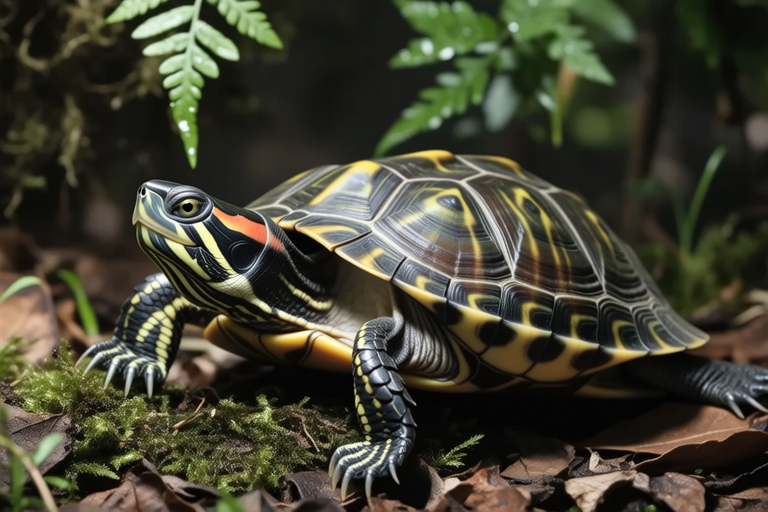
The three-striped box turtle (Terrapene carolina triunguis) is a captivating reptile known for its striking appearance and intriguing behaviors. These turtles are named for the three yellow stripes that run down their heads and necks, contrasting sharply against their dark shells. Unlike many other turtle species, three-striped box turtles possess hinged plastrons, allowing them to completely close their shells for protection from predators. Their unique coloration and adaptability make them a popular subject among turtle enthusiasts and researchers alike. This guide will explore various aspects of the three-striped box turtle’s life, from their natural habitats to their dietary preferences and life cycles.
Natural Habitat
Native to the central United States, specifically the regions of Missouri, Arkansas, and Oklahoma, three-striped box turtles thrive in diverse environments ranging from woodlands to open fields. They prefer areas rich in vegetation, such as forests, prairies, and grasslands, where they can find ample cover and food sources. These turtles are often found near bodies of water, including streams, ponds, and wetlands, which serve as essential drinking and bathing spots. The ideal temperature range for three-striped box turtles is between 70°F and 85°F, making them well-suited to the temperate climate of their native region. They are also highly adaptable and can be found in suburban and urban settings, provided there is sufficient greenery and shelter.
Diet
Three-striped box turtles are omnivorous, meaning they consume both plant matter and animal protein. In the wild, their diet consists of a variety of foods, including fruits, vegetables, insects, and small vertebrates. Younger turtles tend to have a more carnivorous diet, focusing on insects like beetles, worms, and snails. As they mature, their preference shifts towards a more herbivorous diet, incorporating berries, mushrooms, and leafy greens. In captivity, it is crucial to provide a balanced diet that mimics their natural feeding habits. Offering a mix of fresh produce, commercial turtle pellets, and occasional live insects ensures optimal nutrition. It is important to avoid feeding them processed human foods or toxic plants, which can harm their health.
Behavior
Three-striped box turtles are solitary creatures, spending most of their time alone except during mating season. They are diurnal animals, meaning they are active during the day, and they spend much of this time foraging for food. These turtles are excellent climbers and swimmers, using these skills to navigate their environment and escape potential threats. Their keen sense of smell helps them locate food, while their ability to retract into their shells provides protection from predators. During colder months, they enter a state of dormancy known as brumation, similar to hibernation but with periods of activity. This adaptation allows them to survive harsh winter conditions.
Life Cycle
The life cycle of a three-striped box turtle begins with the mating process, typically occurring in the spring. Males pursue females through courtship displays, which involve head bobbing and nipping at the female’s legs. After successful mating, females lay eggs in shallow nests dug into the ground, usually in sandy or loamy soil. The incubation period lasts approximately two to three months, during which time the eggs develop into hatchlings. Newborn turtles are tiny, measuring only about an inch long, and are immediately independent, capable of finding food and protecting themselves. Under favorable conditions, these turtles can live up to 30 years or more, reaching sexual maturity around the age of five to seven years.
Common Health Issues and Proper Care Tips
Like any pet, three-striped box turtles are susceptible to various health issues if not cared for properly. Metabolic bone disease, caused by calcium deficiency, is one of the most common problems. Ensuring a balanced diet rich in calcium and providing adequate UVB lighting can help prevent this condition. Respiratory infections, often resulting from poor environmental conditions, are another frequent issue. Maintaining proper humidity levels and avoiding overcrowding in enclosures can reduce the risk. Additionally, regular veterinary check-ups are recommended to monitor overall health and address any emerging issues promptly. For those interested in keeping these turtles as pets, it is essential to research thoroughly and consult with experienced breeders or veterinarians before making a commitment.
Conservation Efforts and How You Can Help
The conservation of three-striped box turtles is crucial due to habitat loss and fragmentation caused by human activities such as deforestation and urbanization. Conservation efforts focus on protecting their natural habitats and creating protected areas where they can thrive without interference. Organizations and government agencies work together to implement policies that promote sustainable land use and protect wildlife corridors. Individuals can contribute to these efforts by supporting conservation initiatives through donations or volunteer work. Raising awareness about the importance of preserving these turtles’ habitats and encouraging responsible pet ownership are also vital steps in ensuring the survival of the species.
In conclusion, the three-striped box turtle is a fascinating and resilient creature with unique characteristics that make it a valuable addition to our ecosystems. By understanding their needs and contributing to conservation efforts, we can help ensure the continued existence of these remarkable reptiles for future generations to admire and study. Whether you are a seasoned herpetologist or a curious novice, learning about the hidden world of three-striped box turtles opens up a new realm of appreciation for the diversity and complexity of nature.
