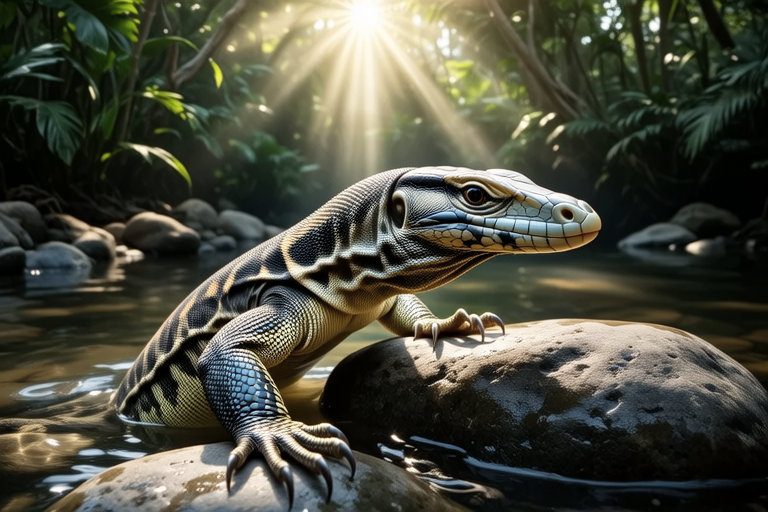
Unleashing the Secrets of the Water Monitor: The Ultimate Aquatic Companion
The water monitor (Varanus salvator) is one of the most fascinating reptiles in the world, known for its impressive size, remarkable agility, and versatile lifestyle. This species of monitor lizard is native to Southeast Asia and is often found in areas near freshwater sources, such as rivers, lakes, and swamps. With its long, muscular body, powerful tail, and sharp claws, the water monitor is a formidable predator in both terrestrial and aquatic environments. This article aims to explore the secrets of the water monitor, from its unique capabilities to its behavior as a pet, providing valuable information for both novice and experienced reptile enthusiasts.
Natural Habitat and Adaptations
The water monitor’s natural habitat spans across a wide range of environments, including dense forests, grasslands, and coastal regions. These lizards are highly adaptable and can thrive in various ecological niches, from the humid jungles of Indonesia to the arid landscapes of Thailand. One of the most striking features of the water monitor is its ability to swim efficiently. Equipped with a flattened tail that acts like a rudder, these lizards can dive deep into water bodies, staying submerged for several minutes. They use their strong limbs to propel themselves through the water, making them adept at catching fish, frogs, and other aquatic prey.
In addition to their swimming prowess, water monitors possess keen eyesight and a highly developed sense of smell. Their nostrils are positioned high on their snouts, allowing them to breathe while partially submerged. This adaptation is crucial for hunting, as it enables them to detect prey from a distance and approach silently. Moreover, their sharp claws are ideal for climbing trees and digging burrows, which they use for shelter and protection.
Diet and Feeding Habits
The water monitor is an opportunistic feeder, with a diverse diet that includes fish, amphibians, insects, small mammals, and even carrion. In the wild, they are active hunters, using their speed and strength to catch prey. As pets, water monitors require a varied diet to ensure proper nutrition and health. A balanced diet typically consists of commercially available reptile pellets, insects, rodents, and occasionally fish. It is important to offer a mix of protein sources to mimic their natural diet and provide essential nutrients.
When feeding your water monitor, it is crucial to provide appropriately sized meals. Overfeeding can lead to obesity, while underfeeding can result in malnutrition. A general guideline is to feed juvenile monitors every two to three days, while adults can be fed once or twice a week. Additionally, it is recommended to gut-load feeder insects with nutritious food before offering them to your lizard. This practice ensures that the insects are rich in vitamins and minerals, contributing to the overall health of your pet.
Behavior and Interaction
In the wild, water monitors are solitary creatures, except during the breeding season. They are territorial and will defend their territory against intruders. As pets, they can be challenging to handle due to their size and strength. However, with patience and consistent handling, water monitors can become accustomed to human interaction. It is important to establish trust and respect from an early age to ensure a positive relationship.
Water monitors are intelligent and curious animals, capable of learning tricks and responding to commands. They enjoy exploring their surroundings and can be quite playful. Owners should provide ample space for exercise and mental stimulation, as boredom can lead to destructive behavior. Regular interaction, combined with a stimulating environment, can help foster a strong bond between the lizard and its owner.
Tips for Prospective Owners
Owning a water monitor requires careful planning and preparation. Before bringing one home, it is essential to research thoroughly and understand the specific needs of this species. Here are some tips for prospective owners:
- Housing: Water monitors need a spacious enclosure that mimics their natural habitat. The enclosure should have a large water area, as well as dry land for basking and climbing. The water area should be deep enough for swimming and equipped with a filtration system to maintain water quality.
- Temperature and Humidity: Maintaining the correct temperature gradient and humidity levels is vital for the health of your water monitor. Use heat lamps and under-tank heaters to create a warm basking spot, and consider using a misting system to keep the air moist.
- Handling: Handle your water monitor gently and regularly to build trust. Always support their body when lifting them to avoid injury. It is also important to wear protective gear, such as gloves, to prevent scratches and bites.
- Health Care: Regular veterinary check-ups are necessary to ensure the health of your pet. Be prepared to address common health issues, such as respiratory infections, parasites, and metabolic bone disease. Proper hygiene practices, including regular cleaning of the enclosure, are essential to prevent illness.
Common Misconceptions About Owning a Water Monitor
There are several misconceptions about owning a water monitor that potential owners should be aware of:
- They are easy to care for: While water monitors can be rewarding pets, they require significant time, effort, and resources to care for properly. Their specialized housing, dietary needs, and healthcare requirements make them a commitment for dedicated owners.
- They are aggressive: Although water monitors can be defensive if threatened, they are not inherently aggressive. With proper handling and socialization, they can become docile and responsive to their owners.
- They grow too big: Water monitors can reach lengths of over six feet, but with the right environment and care, they can live comfortably in captivity. It is important to plan for their future size and ensure you have the resources to accommodate them.
The Bond Between Water Monitors and Their Owners
The bond that can be formed between a water monitor and its owner is unique and rewarding. These intelligent animals are capable of forming strong attachments to their caregivers, recognizing individual handlers and responding positively to regular interaction. Owners who invest time and effort into building a relationship with their water monitor can experience a level of companionship that is unmatched by many other pets.
However, it is important to remember that owning a water monitor comes with significant responsibilities. Providing a suitable living environment, ensuring proper nutrition, and addressing health concerns are just a few of the challenges that come with caring for these magnificent creatures. By understanding and meeting these responsibilities, owners can enjoy a fulfilling and enriching relationship with their water monitor.
In conclusion, the water monitor is a remarkable species with unique aquatic capabilities and distinguishing features. Whether in the wild or as a pet, these lizards captivate with their intelligence, adaptability, and strength. For those willing to take on the challenge, owning a water monitor can be a truly rewarding experience. By educating oneself and preparing adequately, potential owners can ensure a healthy, happy life for their aquatic companion.
