Understanding Bearded Dragon Behavior: Deciphering Their Actions and Body Language
Bearded dragons are popular pets due to their friendly demeanor and striking appearance. However, like all animals, they communicate through various behaviors and body languages. As a responsible owner, it’s crucial to understand these signals to provide optimal care. This article delves into the fascinating world of bearded dragon behavior, offering insights into their actions, environmental influences, and signs of health or distress.
Introduction to Bearded Dragons
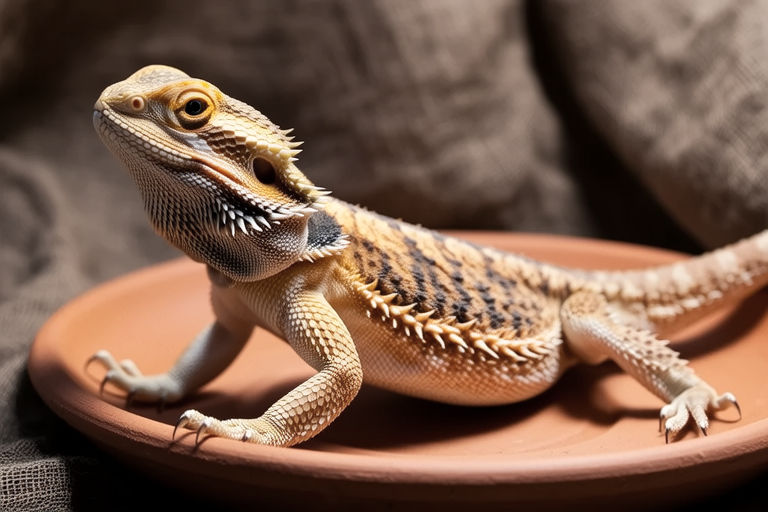
Native to Australia, bearded dragons belong to the genus Pogona. These lizards are known for their unique physical features, including spiky scales around their throats, which can puff out when threatened or excited. They come in various colors and patterns, adding to their appeal. Understanding their behavior is key to maintaining a healthy and happy pet.
Common Behaviors and Their Meanings
Puffing Up Their Beard
One of the most distinctive behaviors of bearded dragons is puffing up their beard. This action involves inflating the throat area, making it appear larger and more intimidating. This behavior typically indicates that the dragon feels threatened or is trying to assert dominance. Scientifically, this is linked to the release of stress hormones, which prepare the lizard for potential conflict.
Changing Color
Bearded dragons can change their skin color based on temperature, mood, and health. Darker shades often indicate higher body temperatures, as they help absorb heat more efficiently. Conversely, lighter colors may suggest cooler temperatures or stress. Changes in color can also signal reproductive readiness or aggressive intent. For instance, males may darken their beards during breeding season to attract females.
Specific Postures
Postures play a significant role in bearded dragon communication. A dragon lying flat on its belly with its legs splayed out is usually basking, seeking warmth from its environment. On the other hand, standing tall on its hind legs with its front paws raised suggests alertness or curiosity. If a dragon arches its back and flattens itself against the ground, it’s likely feeling threatened and may strike if provoked.
Environmental Factors Influencing Behavior
The environment significantly impacts a bearded dragon’s behavior. Temperature and lighting are critical factors that affect their daily activities. Bearded dragons are diurnal, meaning they are active during the day. Providing adequate UVB lighting and a thermal gradient within their enclosure allows them to thermoregulate effectively. Inadequate conditions can lead to lethargy or abnormal behaviors.
Signs of Health or Distress
Observing your bearded dragon’s behavior can provide valuable insights into its well-being. Healthy dragons are generally active and alert, showing interest in their surroundings. However, changes in appetite, unusual lethargy, or excessive hiding could indicate health issues. Regular vet check-ups and maintaining clean living conditions are essential for early detection and treatment of any problems.
Tips for Interpreting Their Needs Accurately
Accurate interpretation of bearded dragon behavior requires patience and observation. New owners should familiarize themselves with typical behaviors to distinguish between normal activities and signs of distress. Experienced owners might notice subtle changes that could point to underlying issues. Keeping detailed notes about feeding habits, activity levels, and interactions can aid in identifying patterns.
Scientific Insights
Research has shed light on several aspects of bearded dragon behavior. Studies have shown that social interactions, especially among males, involve complex signaling mechanisms. These include head bobbing, arm waving, and tail twitching. Each gesture serves a specific purpose, ranging from courtship displays to territorial defense. Understanding these nuances can enhance the interaction between humans and their pets.
Conclusion
Deciphering the behavior of bearded dragons enriches the bond between pet and owner. By recognizing common actions, understanding environmental influences, and being vigilant for signs of health or distress, you can ensure your pet thrives. Embracing the complexity of these reptiles’ communication opens doors to a deeper appreciation of their unique world.
