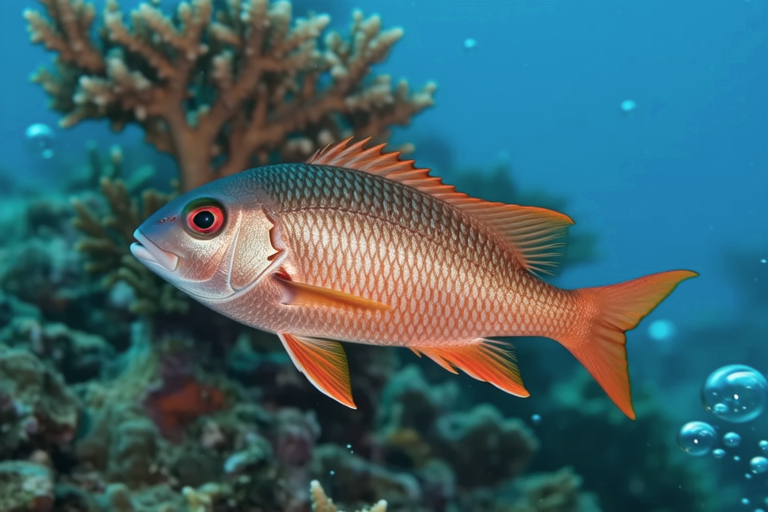
Unveiling the Secrets of the Vibrant Parrot Fish
The ocean is a vast and diverse world, home to countless species that have evolved to thrive in its various ecosystems. Among the most captivating inhabitants of coral reefs are the parrot fish, known for their dazzling array of colors and intriguing behaviors. These fish are not only visually stunning but also play crucial roles in maintaining the health of marine environments. This article delves into the secrets of the vibrant parrot fish, exploring their unique characteristics, ecological importance, fascinating behaviors, and the challenges they face in their natural habitats.
The Unique Characteristics and Vibrant Colors of Parrot Fish
Parrot fish, belonging to the family Scaridae, are named for their beak-like mouths, which they use to scrape algae off coral and rocks. Their most striking feature, however, is their vibrant and varied coloration. Depending on the species and their age, parrot fish can display an array of hues, from electric blues and greens to fiery reds and oranges. The vividness of their colors serves multiple purposes, including camouflage, attracting mates, and intimidating potential predators. Juvenile parrot fish often have different color patterns than adults, which helps them blend into their surroundings until they reach maturity.
One of the most remarkable aspects of parrot fish is their ability to change color throughout their lives. This phenomenon, known as ontogenetic color change, allows these fish to adapt to different stages of their life cycle. For instance, young parrot fish may start with a duller color palette, gradually developing brighter shades as they grow older. Some species even undergo dramatic transformations, shifting from one color scheme to another during specific periods, such as mating or territorial disputes.
The Role of Parrot Fish in Marine Ecosystems
Parrot fish play a vital role in marine ecosystems, particularly in coral reefs. They are primarily herbivorous, feeding on algae that grow on coral surfaces. By grazing on these algae, parrot fish help prevent overgrowth, which could otherwise smother and kill corals. In this way, they contribute significantly to the maintenance of healthy coral reefs, ensuring that these delicate ecosystems remain productive and diverse.
The feeding habits of parrot fish involve scraping algae from coral using their strong teeth and grinding it down in their pharyngeal mill, a specialized organ located in their throats. As they consume algae, parrot fish produce sand through digestion, contributing to the formation of beaches and islands. This process, known as bioerosion, is essential for the long-term health of coral reefs and surrounding coastal areas. Without parrot fish, the balance of these ecosystems could be disrupted, leading to declines in biodiversity and resilience.
Interesting Facts About Parrot Fish Sleeping Behavior and Protection
Parrot fish have developed several unique strategies to protect themselves from predators while they rest. One of the most fascinating is their ability to secrete a mucus cocoon around their bodies before sleeping. This slimy covering acts as a protective barrier, masking the fish’s scent and making it harder for predators to detect them. Additionally, the cocoon may contain compounds that deter parasites, further enhancing the fish’s defense mechanisms.
Another interesting aspect of parrot fish behavior is their tendency to gather in large groups, especially at night. By aggregating, these fish increase their chances of survival by providing each other with additional eyes and ears to spot potential threats. This communal sleeping arrangement also helps them conserve energy, as they can share the responsibility of keeping watch while others rest. This behavior underscores the importance of social bonds within parrot fish populations, which may contribute to their overall success in the face of environmental challenges.
Diversity Within the Species: Highlighting Striking Varieties
The family Scaridae comprises approximately 90 recognized species, each displaying distinct physical traits and behaviors. Some of the most striking varieties include the Queen parrot fish (Scarus vetula), characterized by its bright yellow body and blue tail; the Blue-green parrot fish (Scarus caeruleus), notable for its vibrant blue-green hues; and the Midnight parrot fish (Scarus coelestinus), distinguished by its dark purple coloration and white spots.
Other notable species include the Yellowtail parrot fish (Scarus oustaleti), recognized for its striking yellow tail and blue body, and the Rainbow parrot fish (Scarus guacamaia), famous for its iridescent rainbow-like appearance. Each species has adapted to specific niches within its ecosystem, contributing to the rich biodiversity of coral reefs. Despite their differences, all parrot fish share a common thread: their vital role in maintaining the health and stability of marine environments.
Challenges Faced by Parrot Fish and Conservation Efforts
Despite their importance to marine ecosystems, parrot fish face numerous challenges in their natural habitats. Overfishing poses a significant threat, as many species are highly prized for their meat and vibrant colors, leading to unsustainable harvesting practices. Habitat destruction, including coral bleaching and pollution, further exacerbates the problem, reducing the availability of food sources and shelter for these fish.
To address these issues, various conservation efforts are underway. Marine protected areas (MPAs) have been established to safeguard critical habitats and allow parrot fish populations to recover. Additionally, sustainable fishing practices are being promoted to ensure that catches are managed responsibly, preventing overexploitation. Public awareness campaigns aim to educate communities about the importance of preserving marine biodiversity and the role that individuals can play in protecting these valuable resources.
Furthermore, research initiatives focus on understanding the biology and ecology of parrot fish, providing valuable insights into their needs and vulnerabilities. By combining scientific knowledge with community engagement, conservationists hope to create effective strategies that will secure the future of these vibrant and vital fish for generations to come.
Conclusion
The vibrant parrot fish are not only a visual delight but also key players in maintaining the health of marine ecosystems. Their unique characteristics, including their colorful appearances and protective behaviors, make them fascinating subjects for study and admiration. By understanding the role they play in coral reef health and the challenges they face, we can work towards ensuring the continued existence of these remarkable creatures. Through conservation efforts and increased awareness, we can help preserve the vibrant parrot fish and the diverse ecosystems they inhabit.
