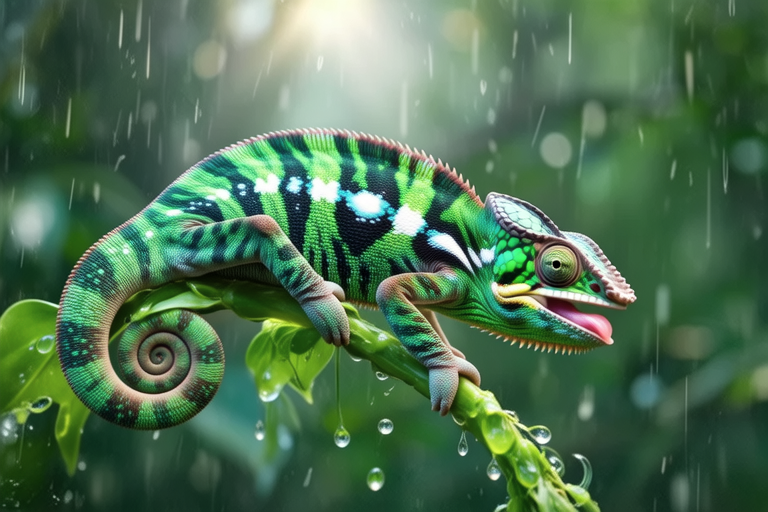
The Unique World of Chameleons: Colors, Behavior, and More
Chameleons are among the most fascinating creatures in the animal kingdom. Known for their remarkable ability to change colors, these reptiles have captivated human imagination for centuries. They belong to the family Chamaeleonidae, which includes approximately 200 species spread across diverse regions of Africa, Madagascar, southern Europe, and Asia. Each species boasts unique features that make them stand out in the wild.
The Science Behind Color-Changing Abilities
One of the most intriguing aspects of chameleons is their ability to alter their skin color. This adaptation is not just for blending into the environment but also serves multiple purposes such as communication, temperature regulation, and camouflage. The mechanism behind this phenomenon lies within specialized cells called chromatophores. These cells contain pigments that can expand or contract depending on stimuli like mood, light, and temperature.
Chromatophores are layered beneath the chameleon’s transparent outer skin. The top layer contains xanthophores (yellow), erythrophores (red), and iridophores (reflective cells). Below these are guanophores (blue) and melanophores (black). When a chameleon wants to change its appearance, it sends signals through its nervous system to activate specific combinations of these cells. By adjusting the size and shape of these pigment-containing sacs, the chameleon can produce a wide range of colors and patterns.
Species Diversity and Characteristics
There are over 200 recognized species of chameleons, each with distinct traits suited to their respective habitats. For instance, the panther chameleon (Furcifer pardalis) hails from Madagascar and is famous for its vibrant hues ranging from bright red to electric blue. In contrast, the veiled chameleon (Chamaeleo calyptratus) originates from Yemen and Saudi Arabia and exhibits more subdued tones like green and brown. Both species showcase remarkable adaptations for survival in their native ecosystems.
Another notable example is the Jackson’s chameleon (Trioceros jacksonii) found in Kenya and Tanzania. It possesses three horns on its head, resembling a triceratops, making it easily recognizable. These chameleons prefer cooler climates compared to other species and feed primarily on insects. Their diet reflects their habitat’s insect population density.
Hunting Techniques and Social Interactions
Chameleons are solitary hunters, relying on their exceptional eyesight and specialized tongues to capture prey. Each eye can move independently, allowing them to scan for food while remaining aware of potential threats. Once a target is spotted, they can focus both eyes together for precise aim before launching their long, sticky tongue at incredible speeds—up to 26 body lengths per second!
While generally solitary, chameleons engage in complex social behaviors during mating season. Males often perform elaborate displays involving color changes and posturing to attract females or intimidate rivals. Females may respond by changing their own colors or avoiding further interaction if not interested. Understanding these interactions helps researchers gain insights into chameleon behavior and evolution.
Navigating Environments
Chameleons inhabit varied landscapes, from dense rainforests to arid deserts. Their feet are uniquely adapted for gripping branches and rocks, featuring opposable toes that allow them to grasp surfaces securely. This adaptation enables them to move effortlessly between trees and bushes, positioning themselves perfectly for ambush hunting.
Temperature plays a crucial role in regulating their metabolism and activity levels. To maintain optimal body heat, chameleons bask in sunlight during cooler periods and seek shade when temperatures rise too high. They also use their color-changing abilities to absorb or reflect sunlight, helping them manage internal temperatures efficiently.
Care Tips for Pet Owners
For those considering adopting a chameleon as a pet, understanding their specific needs is essential. Housing requirements vary based on species, but all require spacious enclosures mimicking natural conditions. Provide ample vertical space for climbing and hiding spots for security. Use appropriate substrates and ensure proper ventilation.
Dietary preferences should be carefully considered; most chameleons thrive on a diet consisting mainly of insects like crickets and mealworms supplemented with fresh vegetables. Calcium and vitamin D3 supplements are necessary to prevent metabolic bone disease. Regular feeding schedules help maintain consistent nutrition levels.
Maintaining correct humidity levels and providing access to clean water are vital for overall health. Mist systems or drip systems can assist in achieving desired moisture levels without causing excessive dampness inside the enclosure. Regular monitoring ensures a balanced environment conducive to your pet’s wellbeing.
Handling should be minimized due to stress factors involved. Always support the chameleon properly when handling and avoid sudden movements that might startle it. Establishing trust takes time, so patience is key.
In conclusion, chameleons offer a window into nature’s ingenuity, combining beauty with functionality. Whether you’re an experienced herpetologist or a curious novice, exploring the world of chameleons promises endless fascination and discovery. By learning about their unique attributes, we deepen our appreciation for these extraordinary animals and contribute positively towards their conservation efforts.
