The Ultimate Rajah Cichlid Owner’s Checklist Before Bringing One Home
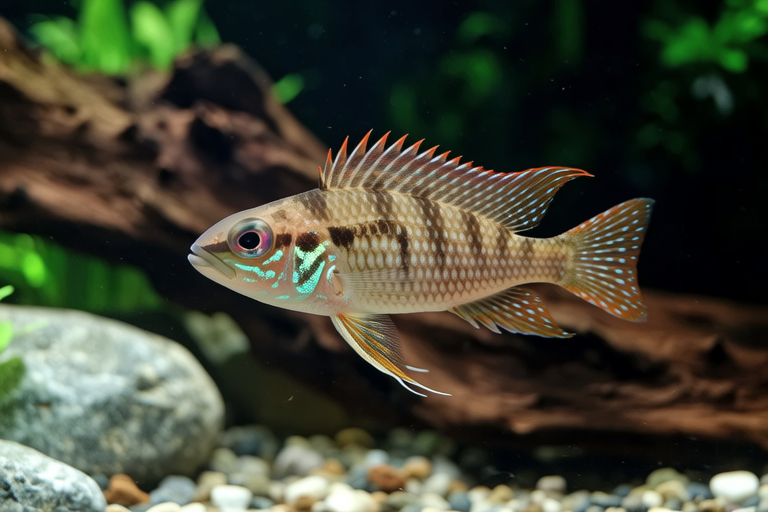
Welcome to the world of Rajah cichlids! These vibrant and active fish are a favorite among many aquarium enthusiasts due to their striking appearance and engaging behavior. However, before you bring one home, it’s crucial to understand their specific needs to ensure they thrive in your aquarium. This comprehensive guide will walk you through everything you need to know about setting up the perfect environment for your Rajah cichlid.
Understanding the Rajah Cichlid
Rajah cichlids, scientifically known as Aequidens rivulatus, are native to the Amazon River basin in South America. They are highly territorial and require a robust setup to maintain their health and happiness. With proper care, these fish can live up to 10 years, making them a long-term commitment. Their vibrant colors and dynamic interactions make them a rewarding addition to any aquarium.
Ideal Tank Setup
Tank Size
For a single Rajah cichlid, a tank of at least 75 gallons is recommended. If you plan on keeping multiple Rajah cichlids or adding other species, you’ll need an even larger tank. A 125-gallon tank is ideal for two Rajah cichlids. Larger tanks provide ample space for swimming and reduce stress from territorial disputes.
Substrate
Use a fine gravel or sand substrate to mimic their natural habitat. Avoid sharp-edged substrates that could harm the fish. The substrate should be deep enough to allow for natural burrowing behavior.
Decorations and Hiding Places
Rajah cichlids need hiding spots to feel secure. Incorporate driftwood, caves, and rocks to create a labyrinth of nooks and crannies. Ensure that decorations are securely placed to prevent accidents during territorial displays. Live plants can also be beneficial but may be uprooted by the fish’s digging behavior.
Water Parameters
Temperature
Maintain a water temperature between 78°F and 82°F (25°C to 28°C). Use a reliable heater and thermometer to monitor and adjust the temperature as needed.
pH Levels
Optimal pH levels range from 6.0 to 7.0. Regularly test the water using a pH kit to ensure stability.
Hardness
Soft to moderately hard water is best, with a general hardness (GH) of 4 to 12 dGH. Adjust the water hardness using appropriate additives if necessary.
Ammonia, Nitrite, and Nitrate
Keep ammonia and nitrite levels at zero, and maintain nitrate levels below 20 ppm. Perform regular partial water changes to keep these levels in check.
Diet Requirements
Rajah cichlids are omnivorous and require a balanced diet to stay healthy. Offer a variety of foods including high-quality pellets, flakes, frozen or live foods like brine shrimp, bloodworms, and small insects. Feed them twice daily, providing only what they can consume within a few minutes to prevent overfeeding.
Compatibility with Other Fish
Rajah cichlids are semi-aggressive and can be territorial. They are best kept singly or in pairs with other large, robust species that can hold their own. Suitable tankmates include other cichlids, large tetras, and peaceful bottom-dwelling fish. Avoid smaller, more delicate species that might become prey.
Health Indicators to Watch For
Behavioral Changes
Monitor your fish for unusual behaviors such as lethargy, loss of appetite, or excessive hiding. These could indicate underlying health issues.
Physical Signs
Watch for physical signs like bloating, fin rot, or lesions. Prompt action is crucial if you notice any of these symptoms.
Necessary Equipment
Filtration System
Invest in a powerful filtration system capable of handling the bioload of a large tank. Choose a filter that provides both mechanical and biological filtration.
Air Pump and Bubblers
Ensure adequate oxygenation with an air pump and bubblers. This is especially important for larger tanks where surface agitation might be insufficient.
Heater
Install a reliable heater to maintain consistent water temperatures. Use a thermostat to prevent overheating.
Thermometer
Monitor water temperature with a reliable thermometer to ensure it stays within the optimal range.
Test Kits
Equip yourself with water test kits to regularly check pH, ammonia, nitrite, and nitrate levels.
Care Tips for New and Experienced Aquarists
For new aquarists, take time to research and prepare thoroughly before bringing your first Rajah cichlid home. Familiarize yourself with all aspects of their care, and don’t hesitate to seek advice from experienced hobbyists or professionals.
Experienced aquarists should always review and refine their practices. Stay updated on the latest advancements in fish care and be prepared to adapt your setup as needed.
Conclusion
Owning a Rajah cichlid is a rewarding experience, but it comes with significant responsibilities. By following this checklist, you’ll set the stage for a thriving and healthy fish. Remember, a well-prepared tank and attentive care are key to ensuring your Rajah cichlid lives a long and happy life. Happy fishkeeping!
