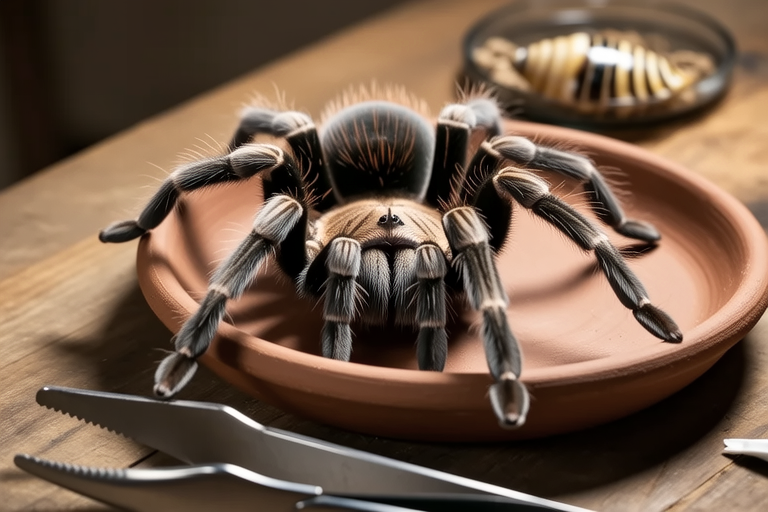
How to Handle and Feed Your Tarantula Like a Pro
Tarantulas make fascinating pets that can be rewarding companions for enthusiasts of all experience levels. Handling and feeding your tarantula correctly ensures its health and longevity. This guide will cover everything from essential care to advanced techniques, helping you become a pro at tarantula ownership.
Essential Tarantula Care
Before diving into handling and feeding, it’s crucial to understand the basics of tarantula care. Provide a spacious enclosure with appropriate substrate, such as coconut fiber or vermiculite, which mimics their natural environment. Ensure the tank has adequate ventilation and hiding spots, like cork bark or half logs, to make your tarantula feel secure.
Handling Techniques for Safe Interaction
Handling your tarantula requires caution and respect. Always wash your hands before and after interacting with your pet to prevent contamination. Use a soft brush or gentle hand to coax your tarantula out of its enclosure. Avoid grabbing or pinching; instead, let the tarantula walk onto your hand. Keep interactions short and stress-free, as prolonged handling can distress the spider.
Recommended Feeding Schedules and Prey Types
Tarantulas are carnivorous arachnids that thrive on a diet of live insects. Crickets, dubia roaches, and mealworms are excellent choices. Offer food every 7-14 days, depending on the tarantula’s age and size. Juveniles need more frequent feedings, while adults require less. Dust feeder insects with calcium and vitamin supplements to ensure a balanced diet.
Habitat Setup Tips
Setting up a proper habitat is vital for your tarantula’s well-being. The enclosure should be large enough to allow the spider ample space to move around. A 5-gallon tank is suitable for most species. Maintain a clean environment by removing uneaten prey and waste regularly. Substrate depth should be at least twice the height of your tarantula to allow burrowing.
Temperature and Humidity Requirements
Temperature and humidity are critical factors in maintaining a healthy tarantula. Most species prefer temperatures between 75-85°F (24-29°C) and relative humidity levels of 60-80%. Use a hygrometer and thermometer to monitor these conditions. Adjust humidity levels using water dishes or misting the substrate. Be cautious not to over-mist, which can lead to mold growth.
Signs of a Healthy Tarantula
A healthy tarantula displays vibrant coloration and active behavior. It should have a full abdomen and move freely within its enclosure. Healthy spiders molt periodically, shedding their exoskeleton. After molting, avoid handling for several weeks until the new exoskeleton hardens. Monitor your tarantula’s appetite and activity level for any unusual changes.
Common Health Issues and How to Spot Them
Recognizing potential health problems early can save your tarantula’s life. Signs of illness include lethargy, loss of appetite, and irregular molts. Respiratory issues may manifest as labored breathing or mucus around the mouth. Skin infections appear as lesions or discoloration. If you notice any of these symptoms, consult a veterinarian specializing in exotic animals.
Safety Precautions
Always prioritize safety when handling or caring for your tarantula. Wear protective gloves if handling large specimens or those known for their defensive behaviors. Never handle a tarantula immediately after feeding, as this increases the risk of regurgitation. Keep children and pets away from the enclosure to prevent accidents.
Conclusion
Becoming proficient in handling and feeding your tarantula takes time and practice. By following the guidelines outlined in this article, you’ll be well on your way to providing optimal care for your pet. Remember, each tarantula is unique, so adapt your approach based on individual needs and preferences. With dedication and attention to detail, you can enjoy a long and rewarding relationship with your tarantula.
