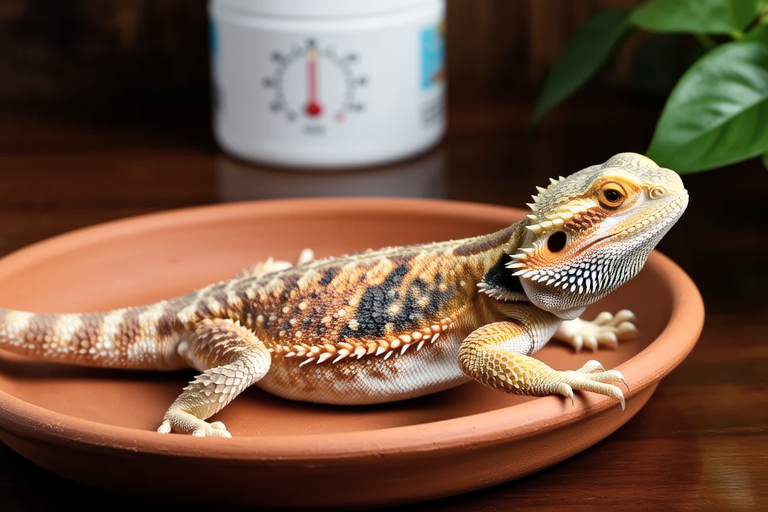
The Ultimate Guide to Keeping Your Bearded Dragon Healthy and Vibrant
Welcome to the comprehensive guide on how to keep your bearded dragon healthy and vibrant. Whether you’re a seasoned reptile owner or a first-time pet parent, this guide will provide you with all the essential information to ensure your bearded dragon lives a long and happy life.
Optimal Diet
Proper nutrition is vital for your bearded dragon’s overall health. A balanced diet consists primarily of insects and vegetables. Insects such as crickets, dubia roaches, and mealworms should make up about 30% of their diet, while leafy greens and other vegetables should account for the remaining 70%. Feed your bearded dragon live prey that is appropriately sized, ensuring they don’t consume too much calcium powder which can cause digestive issues. Vegetables like collard greens, mustard greens, and squash are excellent choices. Avoid feeding them iceberg lettuce as it has little nutritional value.
Hydration Needs
Bearded dragons obtain most of their water through their food, but providing a shallow dish of clean water is still important. Place the dish in the cooler end of the tank to encourage drinking. Additionally, lightly misting your dragon with a spray bottle can help maintain humidity levels and provide a refreshing drink. Monitor your pet’s hydration by checking for clear eyes and moist nostrils; if these signs are absent, consider increasing the frequency of misting.
Suitable Habitat Setup
Your bearded dragon requires a spacious terrarium that mimics its natural environment. A minimum of 40 gallons is recommended for one adult dragon, with additional space for each additional dragon. The enclosure should have ample climbing areas, hiding spots, and basking platforms. Use substrates like paper towels or reptile carpet instead of sand or gravel, which can pose choking hazards or lead to impaction. Include branches and rocks for climbing, as well as caves or boxes for hiding.
Appropriate Lighting and Temperature Requirements
Lighting plays a crucial role in maintaining your bearded dragon’s health. Install UVB lighting to simulate sunlight, promoting vitamin D3 synthesis and preventing metabolic bone disease. Choose a bulb rated at 10.0%, and replace it every six months to ensure effectiveness. Provide a basking spot with temperatures between 95-110°F (35-43°C), while keeping the cool side around 80-85°F (27-29°C). Use thermometers and heat mats to monitor and regulate these temperatures accurately.
Regular Health Check-Ups
Annual veterinary visits are essential for detecting potential health issues early. During these check-ups, veterinarians may perform blood tests, fecal examinations, and physical exams to assess your dragon’s overall health. Be proactive by monitoring your pet’s behavior and appetite daily. If you notice any unusual symptoms, consult a vet immediately. Early intervention can prevent minor problems from escalating into serious conditions.
Signs of Illness
Recognizing the signs of illness in your bearded dragon is crucial for prompt treatment. Common indicators include lethargy, loss of appetite, swollen eyelids, runny nose, or discolored patches on the skin. If your dragon exhibits any of these symptoms, isolate it from other pets and contact a veterinarian specializing in reptiles. Early diagnosis and treatment can significantly improve recovery chances.
Tips for Social Interaction and Enrichment Activities
Bearded dragons are social creatures that benefit from interaction with their owners. Spend time handling your dragon gently, allowing it to explore safe environments outside its enclosure under supervision. Encourage natural behaviors by offering climbing structures and providing opportunities for digging or burrowing. Rotate toys and accessories regularly to stimulate mental engagement and prevent boredom.
Handling Tips
When handling your bearded dragon, always support its body and avoid lifting it by its tail. Gently scoop it up from underneath, ensuring you have a firm but gentle grip. Allow your dragon to get used to being handled gradually, rewarding positive interactions with treats or praise. Never handle your dragon when it is stressed or ill.
Environmental Enrichment
Create an enriching environment for your bearded dragon by introducing new objects periodically. Consider adding tunnels, hammocks, or puzzle feeders to stimulate curiosity and problem-solving skills. Rotate these items every few weeks to maintain interest and encourage exploration. Providing variety in textures and shapes can also enhance sensory experiences.
Interactive Playtime
Engage in interactive play sessions with your bearded dragon using safe toys designed for reptiles. These might include balls, bells, or small plastic containers that can be shaken or moved around. Supervise closely during playtime to ensure safety and prevent accidental injuries. Interactive play helps build trust between you and your dragon while promoting physical activity.
Conclusion
By following the guidelines outlined in this ultimate guide, you can ensure your bearded dragon remains healthy, vibrant, and thriving throughout its life. Remember that proper care involves attention to detail regarding diet, hydration, habitat setup, lighting, temperature control, regular health checks, recognizing signs of illness, and providing social interaction and enrichment activities. With dedication and commitment, you’ll create a loving home where your bearded dragon can flourish.
