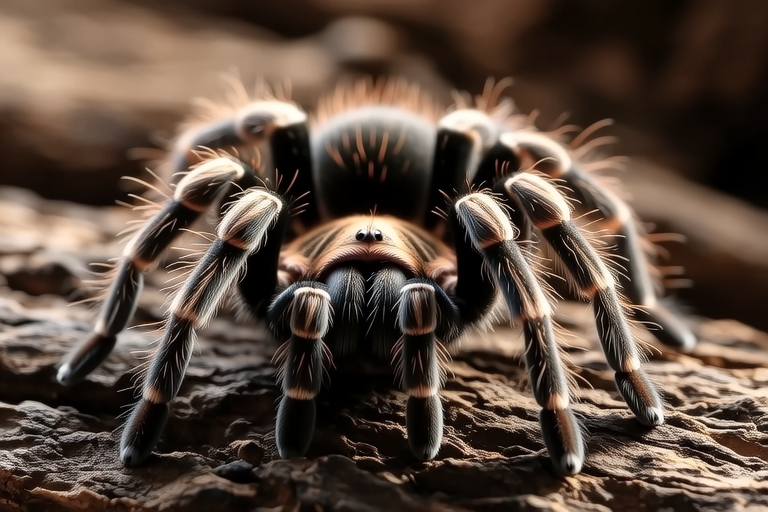
Creepy-Crawly Companions: Why Tarantulas Make Unique Pets
Tarantulas, often perceived as terrifying arachnids, are actually fascinating creatures that make for unique and rewarding pets. These spiders, known for their size and hairy appearance, have captivated the interest of many animal enthusiasts who are drawn to their unconventional charm. Despite their intimidating reputation, tarantulas can be gentle and docile, offering a different kind of companionship that is both intriguing and educational.
Distinct Characteristics of Tarantulas
Tarantulas belong to the family Theraphosidae, a group of spiders known for their large size and robust bodies. They are found across the Americas, Africa, and Asia, thriving in diverse habitats from deserts to rainforests. Their most striking feature is their dense covering of hairs, which they use for defense and sensing their environment. These hairs can be irritating or even harmful to predators when released in a cloud, a defensive mechanism known as ‘urticating hairs.’
One of the reasons tarantulas make such unique pets is their long lifespan, which can extend up to 20 years for some species. This longevity allows owners to form a deep bond with their spider over time. Additionally, tarantulas come in a variety of colors and patterns, making each species visually distinctive. From the bright blue legs of the Cobalt Blue Tarantula to the vibrant orange stripes of the Pink Zebra Beauty, these spiders offer a mesmerizing array of appearances.
Variety of Species Suitable for Pet Ownership
For those interested in tarantula ownership, there are numerous species to choose from, each with its own set of care requirements and unique traits. Some popular choices include:
- Baby Pink Toe Tarantulas: Known for their delicate pink toes and relatively calm demeanor, these spiders are ideal for beginners. They are native to Central and South America and thrive in humid environments.
- Chaco Golden Knee Tarantulas: Hailing from Argentina, these spiders are named for the golden hairs on their knees. They are hardy and easy to care for, making them suitable for both novice and experienced owners.
- Red Rump Tarantulas: With their striking red markings on the abdomen, these spiders are visually captivating. Native to Africa, they require warm temperatures and a dry environment.
When selecting a tarantula, it’s important to consider the species’ specific needs, including temperature, humidity, and enclosure size. Researching the care requirements of your chosen species will ensure a healthy and happy pet.
Setting Up the Perfect Habitat
Creating a suitable habitat for your tarantula is crucial for its well-being. The enclosure should provide ample space for the spider to move around and climb, as well as a hiding spot to retreat into. A glass or plastic tank with a secure lid is recommended to prevent escapes. The substrate should be at least two inches deep, allowing the tarantula to burrow if necessary. Coconut fiber, bark chips, or soil are all suitable options.
Temperature and humidity levels must be carefully controlled. Most tarantulas prefer a warm environment, with temperatures ranging from 75 to 85 degrees Fahrenheit. Humidity should be maintained between 60% and 80%, depending on the species. This can be achieved through misting the enclosure or using a humidifier. It’s also important to provide a shallow water dish for drinking and to maintain the desired humidity level.
Busting Myths About Aggression
One of the most common misconceptions about tarantulas is that they are aggressive and dangerous. While it’s true that tarantulas can bite if provoked, they generally avoid confrontation and are not aggressive towards humans. Their primary instinct is to flee or defend themselves only when absolutely necessary. In fact, tarantulas are quite shy and prefer to remain hidden in their burrows.
Another myth is that tarantulas are venomous and deadly. Although tarantulas do possess venom, it is usually mild and only dangerous to small animals. For humans, a tarantula bite may cause localized pain and swelling, similar to a bee sting. However, the venom is not life-threatening, and many people find the experience of a tarantula bite to be more startling than painful.
The Rewards of Owning a Tarantula
Owning a tarantula offers a unique and enriching experience for pet lovers. Observing their behavior can be both fascinating and educational. Watching a tarantula construct its web or burrow in the substrate provides insight into the natural behaviors of these creatures. Many owners find joy in witnessing the daily routines and interactions of their pet.
Additionally, caring for a tarantula fosters a sense of responsibility. Ensuring the proper environment, diet, and health of your pet requires attention and dedication. This can be particularly rewarding for those looking to develop a deeper connection with their pet. Tarantulas may not provide the same level of interaction as other pets, but the satisfaction of providing a safe and comfortable home for these creatures can be deeply fulfilling.
Acquiring a Tarantula Responsibly
If you’re ready to welcome a tarantula into your home, it’s essential to acquire one responsibly. Purchasing from reputable breeders or pet stores ensures that your spider comes from a healthy and ethical source. Avoid buying tarantulas from online auctions or markets where the origin and care history of the spider may be unclear.
Before bringing your new pet home, prepare its enclosure and familiarize yourself with its care requirements. Once your tarantula arrives, allow it time to acclimate to its new surroundings. Handling should be kept to a minimum, as tarantulas are sensitive to stress and prefer to interact on their terms.
In conclusion, tarantulas offer a unique and rewarding pet experience for those willing to embrace their unconventional nature. By understanding the distinct characteristics, care requirements, and rewarding aspects of owning a tarantula, potential owners can provide a loving and supportive home for these fascinating creatures. With the right preparation and commitment, tarantulas can become cherished members of any household.
