Maine Coon Cats: A Comprehensive Guide for First-Time Owners
Welcome to the world of Maine Coon cats! These majestic felines are known for their friendly demeanor, striking appearance, and playful nature. If you’re considering adopting a Maine Coon or have just brought one home, this guide will provide you with all the information you need to care for your new furry friend.
Origin and History
The Maine Coon is one of the oldest natural breeds in North America. They are believed to have originated from the state of Maine, where they were valued for their excellent hunting skills and ability to thrive in harsh winter conditions. Historically, these cats were kept by farmers and fishermen due to their prowess in catching rodents. The breed has been recognized since the late 1800s, and their popularity has grown steadily ever since.
Physical Characteristics
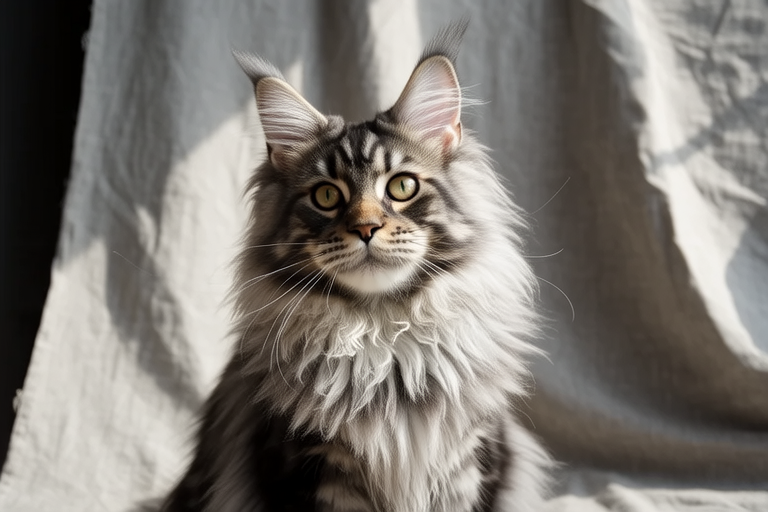
Maine Coons are large, robust cats with a muscular build. They typically weigh between 9 to 18 pounds and can reach lengths of up to 40 inches, including their tail. Their most distinctive feature is their long, flowing fur, which is water-resistant and designed to protect them in cold weather. The coat is usually semi-longhaired and comes in a variety of colors and patterns. Another notable characteristic is their tufted ears and paws, which give them a whimsical, wild look.
Temperament
One of the reasons why Maine Coons are beloved pets is their friendly and sociable nature. They are known to be affectionate towards their owners and enjoy being part of family activities. Despite their large size, they are gentle and patient, making them great companions for children and other pets. Maine Coons are also intelligent and curious, often finding ways to entertain themselves but always seeking human interaction.
Dietary Needs
Like any other cat, Maine Coons require a balanced diet that meets their nutritional needs. It’s important to choose high-quality cat food that contains essential nutrients such as protein, fats, vitamins, and minerals. Wet food is recommended for its higher moisture content, which helps keep your cat hydrated. Additionally, Maine Coons may benefit from a diet rich in omega-3 fatty acids to support their skin and coat health. Always consult with your veterinarian to determine the best diet for your specific cat.
Grooming Requirements
Due to their long, luxurious coats, Maine Coons require regular grooming to prevent matting and tangles. Brushing your cat at least once a week will help remove loose hair and distribute natural oils throughout the coat. During shedding seasons, you may need to increase the frequency of brushing. Bathing is generally not necessary unless your cat gets particularly dirty, as frequent bathing can strip their coat of natural oils. Regular nail trimming and dental care are also important aspects of grooming.
Health Considerations
Maine Coons are generally healthy cats, but like all breeds, they are prone to certain genetic conditions. Hypertrophic cardiomyopathy (HCM) is a heart disease that can affect Maine Coons, so regular veterinary check-ups are crucial. Polycystic kidney disease (PKD) is another condition to watch out for, especially if there is a family history. Obesity is also a concern, as it can lead to various health issues. Maintaining a healthy weight through proper diet and exercise is essential for your cat’s well-being.
Exercise Recommendations
Despite their large size, Maine Coons are quite active and enjoy playing. Interactive toys, climbing structures, and scratching posts are great ways to keep your cat mentally and physically stimulated. Many Maine Coons love water, so providing a shallow dish of water for them to play in can be both entertaining and beneficial. Encouraging regular play sessions will help prevent obesity and keep your cat happy and healthy.
Training Tips
While cats are generally independent creatures, Maine Coons can be trained to respond to commands and tricks. Positive reinforcement techniques, such as treats and praise, work well for training. Teaching your cat to come when called or using a clicker for more complex tricks can strengthen your bond and provide mental stimulation. Consistency and patience are key when training your Maine Coon.
Integrating Them Into a New Home
Bringing a new cat into your home requires careful planning to ensure a smooth transition. Start by creating a safe space for your Maine Coon, such as a quiet room with all necessary supplies like food, water, litter box, and bedding. Gradually introduce your cat to other members of the household, including other pets, to minimize stress. Providing plenty of attention and reassurance during the first few weeks will help your cat feel secure and comfortable in their new environment.
Commitment and Responsibilities
Owning a Maine Coon is a rewarding experience, but it also comes with significant responsibilities. As a first-time owner, it’s important to understand the time, effort, and financial commitment involved. Regular veterinary care, proper nutrition, and grooming are essential for maintaining your cat’s health. Additionally, providing mental and physical stimulation through play and interaction is crucial for their overall well-being. By being prepared and informed, you can ensure a happy and fulfilling life for your Maine Coon.
Conclusion
Maine Coon cats are truly remarkable animals, combining beauty, intelligence, and affection. With the right care and attention, they make wonderful companions for families and individuals alike. This comprehensive guide should equip you with the knowledge and tools needed to provide the best possible life for your Maine Coon. Remember, every cat is unique, so take the time to get to know your pet and tailor your care accordingly. Enjoy the journey of sharing your life with this magnificent breed!
