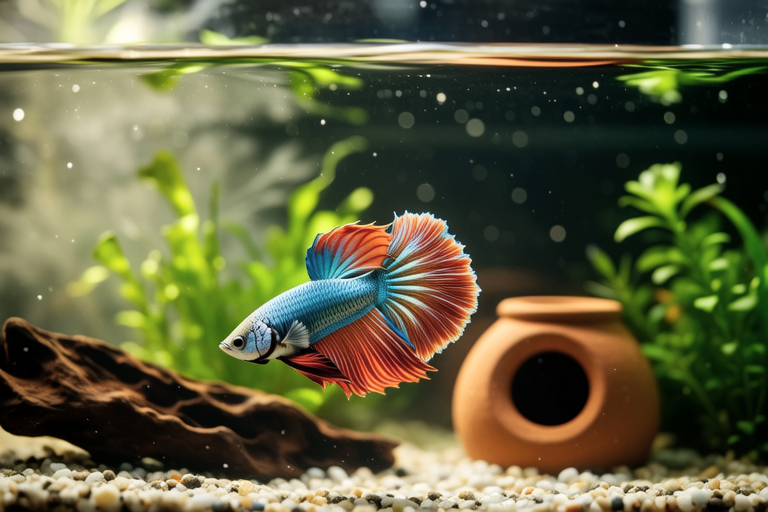
Betta Bliss: How to Create a Perfect Habitat for Your Finned Friend
Welcome to the world of Betta fish care! Known for their vibrant colors and flowing fins, Bettas are one of the most popular choices for aquarium enthusiasts. However, providing the best living conditions for these finned friends requires more than just a pretty bowl. This guide will walk you through creating the perfect habitat, ensuring your Betta thrives in its aquatic home.
Choosing the Right Tank Size
One common misconception about Betta fish is that they can live happily in small containers like vases or bowls. In reality, these tiny spaces can be detrimental to their health. A Betta needs at least 2.5 gallons of water to swim comfortably, but a larger tank—up to 5 gallons—is even better. The extra space allows your Betta to explore and exercise, promoting both physical and mental well-being. Remember, while Bettas are often sold in small containers, this is only because they are shipped that way; they need ample room to thrive.
Water Parameters Crucial for Betta Health
Maintaining optimal water quality is key to keeping your Betta healthy. Ammonia and nitrite levels should be undetectable, as these compounds can be toxic to fish. Nitrate levels should be kept below 20 ppm, though lower is preferable. To achieve this, regular water changes are essential. Aim for partial changes every week, replacing around 25% of the tank’s water. This not only dilutes harmful substances but also replenishes beneficial minerals.
Appropriate Filtration Systems
Filtration is vital for maintaining clean water. While some filters can be too strong for Betta fish, causing stress due to excessive water flow, there are gentle yet effective options available. Consider under-gravel filters or sponge filters, which provide adequate filtration without overwhelming your Betta. These filters help maintain water clarity by removing debris and excess nutrients, ensuring a healthier environment.
Essential Decorations for Enrichment
Bettas are curious creatures that enjoy exploring their surroundings. Providing hiding spots and areas to rest enhances their sense of security and stimulates natural behaviors. Plants, whether real or artificial, serve multiple purposes. They offer cover, aid in oxygenating the water, and can even help filter out toxins. Floating plants are particularly beneficial, mimicking the Betta’s natural habitat in rice paddies. Additionally, include caves or other structures where your Betta can retreat when it feels threatened.
Suitable Substrate Options
The type of substrate you choose can influence your Betta’s comfort and the overall aesthetics of the tank. Gravel or sand is commonly used, but avoid sharp-edged substrates that could damage delicate fins. Natural-looking substrates like smooth pebbles or fine sand can create a serene environment. Some hobbyists opt for bare-bottom tanks, especially for breeding purposes, as they facilitate easier cleaning and observation of eggs and fry.
Ideal Temperature and pH Levels
Bettas originate from tropical regions, so they prefer warm waters. Maintain a temperature between 76°F and 82°F (24°C to 28°C) using a reliable heater. Consistent temperature is crucial, as sudden fluctuations can stress your Betta. As for pH, aim for a range between 6.5 and 7.5. Regular testing with a pH kit ensures that your Betta’s environment remains stable and hospitable.
Necessary Equipment for Maintenance
Aside from a proper tank and filtration system, several tools are indispensable for Betta care. A good thermometer helps monitor water temperature, while pH and ammonia test kits allow you to keep track of water quality. A gravel vacuum makes water changes easier and more efficient, preventing the need to completely drain the tank each time. Lastly, consider having a backup power source for your heater and filter in case of power outages.
Dietary Tips for Optimal Health
Feeding your Betta a balanced diet is essential for its growth and longevity. High-quality flake or pellet food forms the foundation of their diet, but variety is important. Supplement with frozen or live foods such as bloodworms, brine shrimp, and daphnia to mimic their natural prey. Feed your Betta small portions two to three times daily, ensuring they consume all food within a couple of minutes to prevent waste and water contamination.
Remember, overfeeding can lead to obesity and digestive issues, so practice moderation. Also, avoid feeding your Betta human food, as it lacks the necessary nutrients and can harm their health.
Interesting Facts About Betta Fish
Betta fish have fascinating traits beyond their striking appearance. Did you know that they are labyrinth fish? This means they possess a specialized organ called the labyrinth, allowing them to breathe air directly from the surface. In the wild, this adaptation helps them survive in oxygen-poor environments like rice paddies. Another intriguing fact is that male Bettas are highly territorial and may engage in aggressive displays, including flaring their gills and spreading their fins, especially when confronted with other males.
Creating the perfect habitat for your Betta involves understanding their specific needs and providing an enriching environment. By following these guidelines, you ensure your finned friend enjoys a long, healthy, and happy life. Remember, a well-cared-for Betta not only adds beauty to your home but also becomes a delightful companion.
