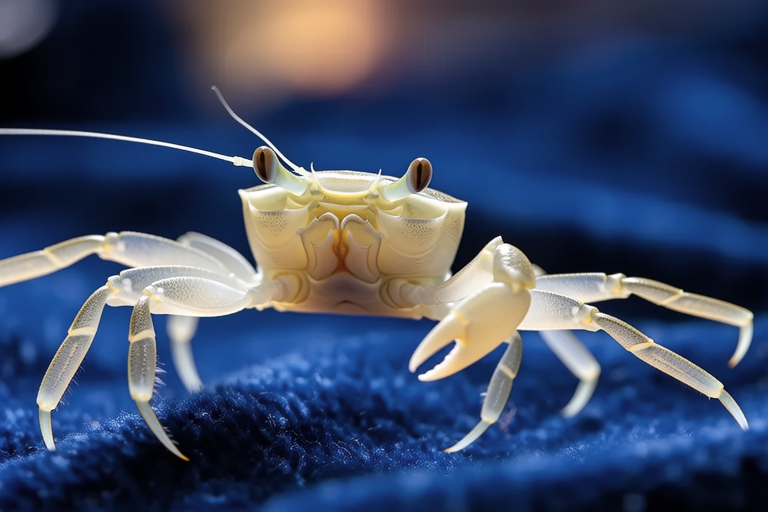
Crab Life Inside Out: Unveiling the World of Pea Crabs
In the vast and mysterious world of marine life, one tiny inhabitant stands out for its unique lifestyle and fascinating symbiotic relationships: the pea crab. These diminutive crustaceans, named for their resemblance to a pea, have intrigued scientists and nature enthusiasts alike with their complex interactions within their ecosystems. This article delves into the hidden world of pea crabs, exploring their habitat, diet, reproductive strategies, and symbiotic partnerships. We will also examine recent scientific discoveries and conservation efforts aimed at preserving these remarkable creatures.
The Habitat of Pea Crabs
Pea crabs (family Pinnotheridae) are found in various aquatic environments worldwide, from shallow coastal waters to deep-sea habitats. They prefer areas rich in bivalves such as clams, oysters, and mussels, which serve as both shelter and food sources. Their small size allows them to thrive in crevices between rocks or within the shells of their host mollusks. Pea crabs are particularly abundant in estuarine zones where freshwater meets saltwater, creating nutrient-rich conditions that support diverse marine life.
Diet and Feeding Habits
Despite their name, pea crabs do not feed on peas but rather on plankton and detritus found in their environment. However, their primary source of nutrition comes from their hosts. By residing inside the bodies of bivalves, pea crabs gain access to nutrients filtered from seawater by their hosts. In return, they consume some of this filtered food, contributing to their growth and survival. Some species of pea crabs have adapted to consume the gonadal tissue of their hosts during certain stages of development, further illustrating the intricate balance of their symbiotic relationship.
Reproduction Methods
The reproductive cycle of pea crabs is closely tied to their symbiotic lifestyle. Males typically enter the mantle cavity of female hosts before mating occurs. After fertilization, females carry developing embryos under their carapaces until they hatch into larvae. These free-swimming larvae eventually settle onto suitable substrates, seeking out new hosts to begin their own lifecycle. The timing of reproduction often coincides with periods of increased food availability for both crabs and their potential hosts, ensuring higher chances of survival for offspring.
Symbiotic Relationships
The most striking feature of pea crab biology is their obligate parasitic relationship with bivalve hosts. While this might sound harmful, it’s actually beneficial for both parties involved. For instance, pea crabs protect their hosts from predators by causing physical damage to the shell, making it less attractive to other organisms. Additionally, studies suggest that pea crabs may help improve water quality around their hosts by consuming excess organic matter. Conversely, the host provides protection and sustenance for the crabs, allowing them to thrive in otherwise challenging environments.
Recent Scientific Discoveries
New research has shed light on previously unknown aspects of pea crab behavior and physiology. Scientists have discovered that certain species can alter the chemical composition of their shells to better match those of their hosts, providing camouflage against potential threats. Furthermore, genetic analyses reveal that some populations of pea crabs exhibit high levels of genetic diversity despite their limited geographic distribution, suggesting complex evolutionary histories influenced by environmental factors.
Conservation Status
Although pea crabs are generally considered abundant across many regions, specific populations face threats due to human activities such as overfishing and habitat destruction. Efforts to conserve these delicate ecosystems focus on protecting key habitats like mangroves and coral reefs, which provide essential nursery grounds for young pea crabs. Public awareness campaigns aim to educate fishermen about the importance of minimizing bycatch while promoting sustainable fishing practices.
Conclusion
Pea crabs represent an extraordinary example of adaptation and coexistence in nature. Through their intimate association with bivalves, they demonstrate how seemingly simple organisms can play crucial roles in maintaining healthy marine communities. As we continue to explore and understand these fascinating creatures, it becomes increasingly clear that preserving their habitats is vital for ensuring the health and resilience of our oceans.
