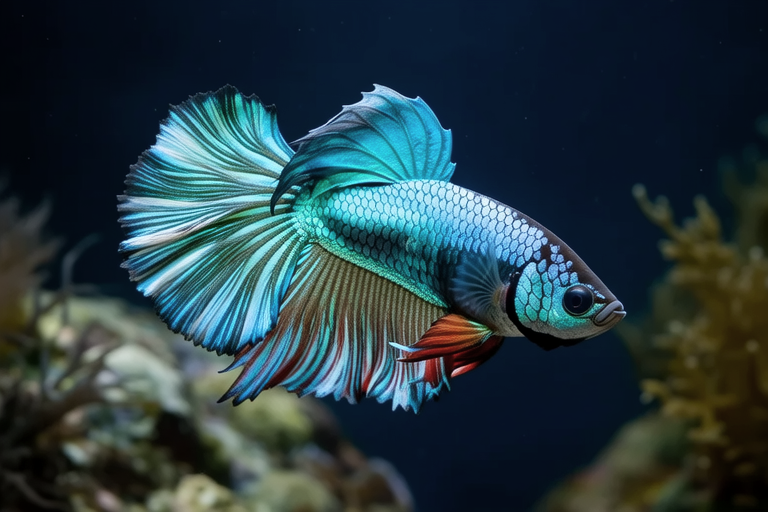
From Fin to Flame: Unveiling the Majestic Beauty of Betta Fish
Betta fish, also known as Siamese fighting fish, have long captured the hearts and imaginations of aquarium enthusiasts around the world. These vibrant, graceful creatures are a testament to nature’s artistry, with their flamboyant colors and flowing fins. From their origins in the rivers of Southeast Asia to their status as popular pets, bettas have a rich history and fascinating behaviors that make them a joy to observe. This article delves into the unique characteristics, vibrant colors, and graceful movements of betta fish, providing养护 tips, dispelling common myths about their care, and offering advice on setting up an ideal tank environment.
The Origins and History of Betta Fish
Betta fish hail from the warm, slow-moving waters of Thailand, Cambodia, Vietnam, and parts of Malaysia. They thrive in rice paddies, drainage ditches, and floodplains where water levels fluctuate seasonally. Their natural habitat is characterized by soft, slightly acidic water with a pH range of 6.8 to 7.2. The name “betta” is derived from the Ikan Bettah, a local term for these fish. Historically, bettas were revered in Thailand for their aggressive territorial behavior, leading to the development of organized betting contests between male bettas. These contests were banned in the 1930s due to animal cruelty concerns, but the legacy of the fighting fish endures in their name.
Vibrant Colors and Graceful Movements
Betta fish are renowned for their dazzling array of colors, which range from deep blues and vibrant reds to striking purples and shimmering greens. Their iridescent scales reflect light in mesmerizing ways, creating an ever-changing spectacle of hues. Male bettas, in particular, exhibit more pronounced colors and longer fins than females, making them the preferred choice for many aquarium enthusiasts. However, female bettas are equally beautiful, with their shorter fins and more subdued coloration.
Their graceful movements are another captivating aspect of betta fish. With their flowing fins and precise control over their bodies, they seem to glide effortlessly through the water. Watching a betta fish navigate its tank can be a soothing and enchanting experience, as they dart and hover with remarkable agility. Their ability to breathe air through a labyrinth organ allows them to survive in low-oxygen environments, a trait that has contributed to their adaptability and popularity as pets.
Behavior and Social Interaction
Betta fish are known for their aggressive territorial behavior, especially among males. In the wild, males establish and defend breeding territories, often engaging in fierce displays of dominance. While this behavior can be problematic when housing multiple males together, it adds an interesting dynamic to observing bettas. Males may flare their gills, spread their fins, and even engage in physical altercations to assert their dominance.
Females, on the other hand, tend to be less aggressive and can sometimes be housed together in a community tank, provided there is ample space and hiding spots. Bettas are generally solitary creatures, preferring to live alone or with non-aggressive companions. It is important to research potential tank mates carefully to ensure compatibility and avoid stress or aggression.
Care Tips and Tank Setup
To ensure the well-being of your betta fish, proper tank setup and maintenance are essential. A minimum tank size of 5 gallons is recommended, although larger tanks provide more room for swimming and exploration. The tank should be equipped with a filter to maintain water quality and a heater to keep the water temperature between 76°F and 82°F (24°C to 28°C). Bettas prefer still water, so strong currents from filters should be avoided.
Water parameters should be monitored regularly, with a focus on maintaining appropriate pH levels, ammonia, nitrite, and nitrate concentrations. Regular water changes, typically 20-30% every week, help prevent the buildup of harmful substances. Decorations such as plants, caves, and driftwood provide hiding spots and enrich the tank environment, promoting a sense of security for your betta.
Dispelling Common Myths
One of the most pervasive myths about betta fish is that they can live in small containers, such as vases or bowls, without proper filtration or aeration. This misconception stems from their ability to breathe air through their labyrinth organ. While this adaptation allows them to survive in low-oxygen environments, it does not mean they thrive in such conditions. A properly maintained tank with adequate filtration and oxygenation is crucial for their health and longevity.
Another myth is that bettas can live harmoniously with other fish, particularly other bettas. While some species of fish can coexist peacefully with bettas, it is essential to choose compatible tank mates carefully. Aggressive or fin-nipping fish should be avoided, as they can cause stress and injury to bettas. Additionally, overcrowding the tank can lead to increased aggression and stress, so it is important to provide ample space for each inhabitant.
Ensuring the Well-being of Your Betta Fish
Maintaining a clean and stable tank environment is paramount for the health of your betta fish. Regular water changes, proper feeding, and monitoring for signs of illness are key components of responsible pet ownership. Bettas are carnivorous and should be fed a varied diet consisting of high-quality pellets, flakes, and occasional live or frozen foods such as bloodworms and brine shrimp. Overfeeding can lead to obesity and poor water quality, so it is important to feed them only what they can consume within a few minutes.
Signs of stress or illness in bettas include lethargy, loss of appetite, pale or discolored fins, and abnormal swimming patterns. If you notice any of these symptoms, it is advisable to consult a veterinarian specializing in exotic pets for proper diagnosis and treatment. Early intervention can often prevent more serious health issues and improve the overall well-being of your betta.
Appreciating the Beauty and Complexity of Betta Fish
Through vivid descriptions and educational insights, we encourage readers to appreciate the beauty and complexity of these aquatic creatures. From their vibrant colors and graceful movements to their unique behaviors and rich history, betta fish offer a window into the wonders of the natural world. By understanding and respecting their needs, we can create a thriving environment that allows them to flourish and showcase their majestic beauty.
As you embark on the journey of caring for a betta fish, remember that each one is a unique individual with its own personality and preferences. Take the time to observe and learn from your betta, and you will be rewarded with a deep appreciation for the intricate lives of these magnificent creatures.
