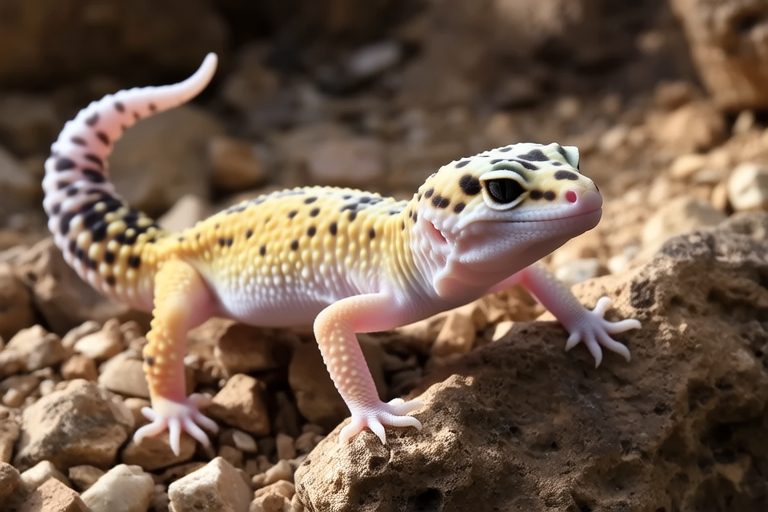
7 Surprising Facts About Leopard Geckos Every Owner Should Know
Leopard geckos have become one of the most popular pets among reptile enthusiasts due to their docile nature and ease of care. However, there’s more to these charming creatures than meets the eye. From their unique digestive processes to their surprising adaptability, leopard geckos possess several lesser-known traits that make them even more fascinating. Here are seven surprising facts every owner should know.
1. Leopard Geckos Can Store Fat in Their Tails
One of the most distinctive features of leopard geckos is their plump tails. These tails are not just for show; they serve as fat stores. In the wild, leopard geckos can survive harsh conditions by living off the fat stored in their tails. This biological adaptation is particularly useful during times of food scarcity. As a pet owner, it’s important to ensure your gecko doesn’t lose too much weight, which could indicate stress or poor health. Regular monitoring of your gecko’s tail size can help you gauge its overall well-being. If you notice your gecko’s tail shrinking, it might be time to adjust its diet or check for any underlying health issues.
2. They Can Regenerate Lost Tails
Leopard geckos have a remarkable ability to shed their tails when they feel threatened. This process, known as autotomy, allows the gecko to escape from predators by leaving behind its tail. The lost tail will eventually regenerate, though the new one may not look exactly like the original. Interestingly, the regenerated tail often lacks the patterned spots of the original, appearing more uniform in color. This adaptation is a testament to the gecko’s survival instincts and resilience. While losing a tail is generally not harmful to the gecko, it can be a sign of stress or improper handling. Owners should handle their geckos gently to prevent accidental tail loss.
3. Leopard Geckos Are Nocturnal Eaters
Unlike many other reptiles, leopard geckos are primarily nocturnal, meaning they are most active at night. This behavior is reflected in their feeding habits. Leopard geckos prefer to hunt and eat during the cooler hours of the evening. For owners, this means adjusting feeding schedules accordingly. It’s best to offer food in the late afternoon or early evening, allowing the gecko to hunt and consume its prey in a naturalistic manner. This nocturnal behavior also means that owners should provide appropriate lighting and temperature gradients to mimic the gecko’s natural environment, ensuring optimal activity and digestion.
4. They Can Vary in Color Due to Genetics
Leopard geckos come in a wide array of colors and patterns, making them visually stunning pets. However, did you know that some of these variations are due to genetic factors? Certain morphs, such as albinos and super giant geckos, are the result of specific gene combinations. Breeding for these morphs can be complex and requires careful selection to achieve desired traits. For owners, understanding the genetic background of their gecko can provide insight into potential health issues and longevity. Additionally, it can enhance the appreciation of the unique characteristics of each individual gecko.
5. Leopard Geckos Have a Unique Digestive System
The digestive system of leopard geckos is quite efficient, allowing them to extract nutrients from their food quickly. One surprising aspect of their digestive process is their ability to regurgitate indigestible parts of their prey, such as bones and exoskeletons. This behavior is a natural part of their eating habits and helps maintain the cleanliness of their enclosure. Owners should be aware of this and provide a substrate that is safe if accidentally ingested. Additionally, offering a varied diet rich in calcium and other essential nutrients is crucial for their overall health.
6. They Can Change Skin Color Slightly
Leopard geckos have the ability to change their skin color slightly, a phenomenon known as color change. This adaptation serves various purposes, including thermoregulation and communication. During colder periods, geckos may darken their skin to absorb more heat, while they may lighten their skin in warmer temperatures to reflect sunlight. Additionally, changes in skin color can signal mood or health status. Owners should monitor any significant changes in their gecko’s coloration, as it could indicate stress or illness. Providing a suitable habitat with appropriate temperature gradients can help maintain healthy color changes.
7. Leopard Geckos Are Social Creatures
Contrary to popular belief, leopard geckos can be social animals. While they are typically solitary in the wild, captive geckos can form bonds with their human caregivers and sometimes with other geckos. Some owners report that their geckos enjoy gentle handling and interaction, especially when introduced to humans at a young age. However, it’s important to note that not all geckos are comfortable with handling, and each gecko has its own personality. For those considering getting a leopard gecko, it’s advisable to choose a gecko that has been hand-raised and is accustomed to human interaction. This can lead to a more enjoyable and rewarding pet experience.
Conclusion
Leopard geckos are fascinating creatures with many unique traits that make them stand out as pets. From their ability to store fat in their tails to their social tendencies, these geckos offer endless opportunities for learning and enjoyment. By understanding these surprising facts, owners can provide better care for their pets and deepen their bond with these remarkable reptiles. Whether you’re a seasoned herpetologist or a first-time reptile owner, there’s always something new to discover about leopard geckos.
