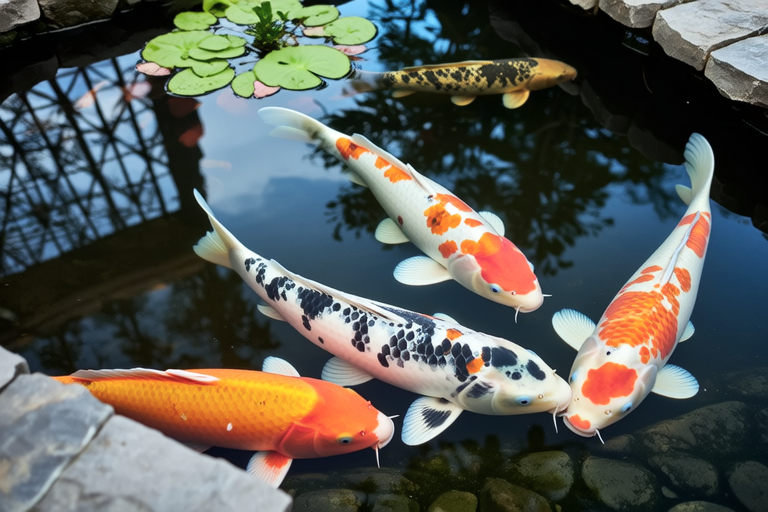
How to Create a Dream Pond for Your Koi Fish at Home
Welcome to the fascinating world of koi fish! Creating a dream pond for your koi fish at home can be an incredibly rewarding experience. Not only will you enjoy the beauty of these vibrant creatures, but you’ll also have the satisfaction of knowing that you’ve provided them with an ideal environment. In this guide, we’ll walk you through the essential steps to create a thriving pond ecosystem, from selecting the perfect location to maintaining water quality and beyond.
Selecting the Perfect Location
The first step in building your dream pond is finding the right spot in your yard. Ideally, your pond should be located in a partially shaded area, as too much direct sunlight can lead to excessive algae growth and higher water temperatures. However, some light is necessary for plant growth, so aim for about 60% shade. Avoid placing the pond near large trees, as fallen leaves can affect water quality and require frequent cleaning.
Consider accessibility when choosing a location. The pond should be easily accessible for daily maintenance, such as feeding the koi and checking water levels. Additionally, ensure that the site is level and stable to prevent water leaks or structural issues.
Pond Size and Depth Considerations
When it comes to pond size, bigger is generally better for koi fish. A larger pond provides more space for the fish to swim and helps maintain stable water conditions. For a small pond, aim for at least 100 gallons of water, while larger ponds can comfortably house multiple koi. Remember that each adult koi typically requires about 200 gallons of water.
Depth is equally important. Koi need deep enough water to survive colder winter months. A minimum depth of 3 feet is recommended, but deeper ponds (4-5 feet) provide additional benefits like thermal stratification, where cooler water sinks to the bottom, keeping the fish comfortable during hot summer days.
Filtration Systems
A robust filtration system is crucial for maintaining a healthy pond ecosystem. There are three main types of filters: mechanical, biological, and chemical. Mechanical filters remove debris like leaves and uneaten food, biological filters break down harmful ammonia into less toxic compounds, and chemical filters neutralize toxins and improve water clarity.
Invest in a high-quality filter that suits your pond’s size and fish population. Regularly clean the filter media to ensure optimal performance and avoid clogs. Proper filtration keeps the water clear and healthy, promoting the well-being of your koi.
Water Quality Maintenance
Maintaining excellent water quality is key to keeping your koi healthy and happy. Test the water regularly for pH, ammonia, nitrite, and nitrate levels. Aim for a pH between 7.2 and 8.0, with minimal ammonia and nitrite readings. High levels of these substances can stress your fish and lead to health problems.
To maintain water quality, perform partial water changes every few weeks, removing about 10-20% of the pond water and replacing it with fresh, dechlorinated water. This helps dilute harmful substances and replenishes beneficial minerals. Additionally, consider adding aeration devices to increase oxygen levels in the water, which is vital for koi respiration.
Choosing the Right Plants
Plants play a crucial role in your pond’s ecosystem by providing oxygen, hiding places for koi, and natural filtration. Hardy water lilies and lotus are popular choices, as they cover the water surface and help reduce algae growth. Submerged plants like hornwort and anacharis offer hiding spots and contribute to oxygen production. Floating plants like duckweed and water lettuce add texture and color to the pond.
Be mindful of the number of plants you introduce. Overcrowding can lead to poor water circulation and reduced oxygen levels. Aim for a balanced mix of floating, submerged, and marginal plants to create a harmonious environment for your koi.
Creating Safe Havens
Your koi need safe spaces to rest and hide, especially during stressful times like feeding or sudden weather changes. Provide ample hiding spots by incorporating rocks, driftwood, and aquatic plants. These structures not only enhance the aesthetic appeal of your pond but also offer refuge for your fish.
In addition to physical barriers, consider installing a UV sterilizer to protect your koi from parasites and harmful bacteria. Regularly inspect the pond for potential hazards and address any issues promptly to ensure the safety of your koi.
Proper Koi Feeding Habits
Feeding your koi properly is essential for their health and longevity. Feed them high-quality pellets specifically formulated for koi, as these provide the necessary nutrients. Avoid overfeeding, as excess food can degrade water quality. As a general rule, feed your koi only what they can consume within five minutes.
The frequency of feeding depends on the season. During warmer months, feed your koi two to three times daily, while reducing feedings to once per day during colder periods. Always adjust feeding based on the activity level and appetite of your fish.
Seasonal Care Tips
Each season brings its own set of challenges and opportunities for caring for your koi pond. In spring, conduct a thorough cleaning of the pond, including skimming debris and performing a deep water change. Inspect the filtration system and replace any worn-out parts.
Summer is a time of increased activity for your koi, so ensure that the pond has sufficient shade and aeration to prevent overheating. Monitor water quality closely and adjust feeding schedules as needed. Fall signals the transition to colder temperatures, so prepare your pond by ensuring that the filter and pump can operate efficiently in cooler weather. Winter care involves protecting your koi from freezing temperatures by keeping the water moving and monitoring oxygen levels.
By following these seasonal care tips, you’ll ensure that your koi remain healthy and vibrant throughout the year.
The Joy of Watching Koi Thrive
Creating a dream pond for your koi fish is not just about aesthetics; it’s about fostering a balanced ecosystem where your fish can thrive. By carefully selecting the location, managing pond size and depth, installing effective filtration systems, maintaining water quality, choosing appropriate plants, and providing safe havens, you’re setting the stage for a beautiful and sustainable environment.
Watching your koi swim gracefully through the water, interact with their surroundings, and grow healthier day by day is a source of endless joy. Embrace the journey of pondkeeping, and enjoy the serene beauty that your dream pond brings to your home.
