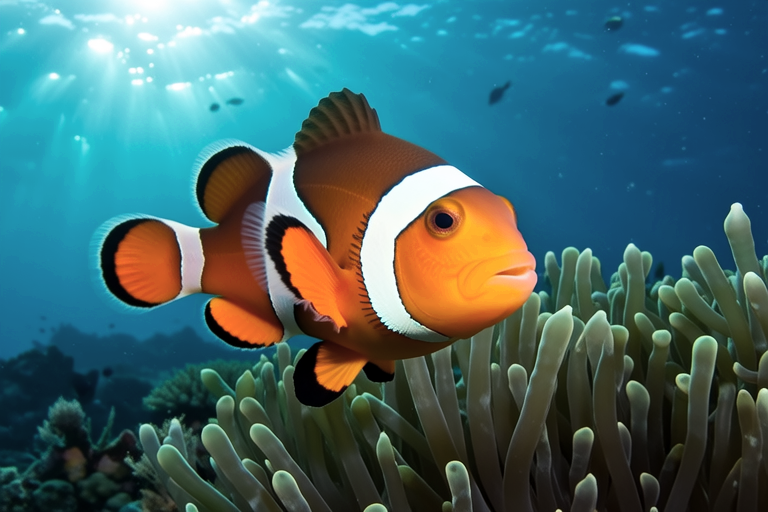
The Surprising Benefits of Keeping Clownfish as Aquarium Companions
Clownfish, also known as anemonefish, are among the most popular saltwater aquarium fish due to their striking appearance and fascinating behavior. With their bright colors and playful nature, they have captured the hearts of aquarists around the world. This article will explore the various aspects of these remarkable fish, from their natural habitats and unique behaviors to the benefits of keeping them as aquarium companions.
Introduction to Clownfish Species and Their Natural Habitats
There are 30 recognized species of clownfish, belonging to the genus Amphiprion and the genus Premnas. These small, colorful fish are native to the warmer waters of the Indian and Pacific Oceans, particularly around coral reefs. They are most commonly found in shallow lagoons and seaward reefs, where they live in symbiosis with sea anemones. The relationship between clownfish and sea anemones is a classic example of mutualism in nature, where both species benefit from each other. The clownfish provides protection against anemone-eating fish, while the sea anemone offers shelter and food to the clownfish.
Clownfish are omnivores, feeding on algae, plankton, and small crustaceans. They are also known for their ability to adapt to different environments, which makes them ideal candidates for home aquariums. Despite their small size, clownfish can grow up to 4.7 inches (12 cm) in length, depending on the species.
Unique Personalities and Behaviors of Clownfish
One of the reasons why clownfish are so popular is their unique personalities and behaviors. They are known for their boldness and curiosity, often swimming close to the glass of the aquarium, allowing aquarists to observe their every move. Clownfish are also highly social animals, living in groups within their anemone homes. In captivity, they can be kept in pairs or small groups, and they often form strong bonds with their tank mates.
Another fascinating aspect of clownfish behavior is their reproductive habits. Clownfish are sequential hermaphrodites, meaning they can change sex from female to male, but not vice versa. The largest individual in a group usually becomes the dominant female, and the second-largest becomes the dominant male. If the dominant female dies, the dominant male will change sex and become the new female, and the next largest individual will take over as the dominant male. This unique reproductive strategy ensures the continuation of the species.
The Benefits of Keeping Clownfish
Keeping clownfish as aquarium companions comes with several benefits. Firstly, they are relatively easy to care for, making them an excellent choice for novice aquarists. Their low maintenance requirements include a stable water temperature, proper filtration, and regular water changes. Additionally, clownfish are hardy fish, capable of adapting to a wide range of water conditions, provided they are not exposed to extreme changes too quickly.
Secondly, clownfish are known for their vibrant colors, which can add a splash of color to any aquarium. Their bright orange, white, and black stripes are instantly recognizable and can create a visually stunning display. Some species, like the percula clownfish, have even been featured in popular media, such as the movie “Finding Nemo,” further increasing their popularity among aquarists.
Lastly, clownfish are believed to have a calming effect on their owners. Observing these playful and curious fish can reduce stress and anxiety, providing a sense of peace and relaxation. Many aquarists report feeling more at ease after spending time watching their clownfish swim around their tanks.
Tips for Setting Up a Suitable Tank Environment
To ensure the health and well-being of your clownfish, it is essential to set up a suitable tank environment. A 20-gallon tank is recommended for a single clownfish, while larger tanks are required for multiple fish. The water temperature should be maintained between 76°F and 82°F (24°C and 28°C), and the pH level should be kept between 8.1 and 8.4. Proper filtration is crucial to maintaining clean water, and regular water changes should be performed to remove waste and toxins.
For those who wish to replicate the natural habitat of clownfish, adding live rock and corals can provide hiding places and additional enrichment for the fish. It is important to choose compatible tank mates when housing clownfish with other species. Clownfish are generally peaceful and can coexist with other small, non-aggressive fish, such as damselfish and cardinalfish. However, they may become territorial if housed with other clownfish or similar-looking species, so it is best to introduce only one pair or group to the tank.
Emotional Rewards and Joy of Keeping Clownfish
The emotional rewards of keeping clownfish as aquarium companions cannot be overstated. Watching these vibrant and curious fish swim around their tank can bring immense joy and satisfaction to their owners. Clownfish have a way of connecting with people on an emotional level, providing a sense of comfort and companionship. Many aquarists report feeling more relaxed and less stressed after spending time with their clownfish, and some even consider their fish to be members of the family.
In conclusion, clownfish are not only beautiful and fascinating creatures but also rewarding companions for aquarium enthusiasts. Their unique personalities, vibrant colors, and low maintenance requirements make them an excellent choice for both novice and experienced aquarists. By providing a suitable tank environment and compatible tank mates, you can ensure the health and happiness of your clownfish, and in turn, enjoy the many benefits they bring to your life.
