From Farmyards to Living Rooms: The Journey of the American Shorthair
The American Shorthair is one of the most popular and enduring cat breeds in the United States. With a rich history that dates back centuries, this breed has evolved from its humble beginnings on farms to becoming a cherished companion in modern homes. This article delves into the origins of the American Shorthair, its initial role on farms, its transition to domesticity, and its current status as a beloved pet.
Origins on Farms: A Robust and Practical Companion
The American Shorthair’s story begins in the bustling farmyards of early America. Brought over by European settlers in the 17th century, these cats were valued primarily for their practicality and robust health. They were hardy creatures, adept at hunting rodents and other pests that plagued farms. Their dense, short coats protected them from the elements, and their strong bodies allowed them to thrive in the harsh conditions of rural life.
One of the most notable traits of the American Shorthair is its adaptability. These cats were not just passive observers; they were active participants in the daily life of the farm. Their keen senses and agile movements made them efficient hunters, capable of catching everything from mice to snakes. Their intelligence and independence also meant they required minimal care, making them ideal companions for busy farmers.
Historically, the American Shorthair was not a recognized breed but rather a general type of cat that thrived in various environments. It wasn’t until the late 19th century that efforts began to standardize the breed, leading to the formation of the American Cat Association in 1906. This marked the beginning of organized breeding, which aimed to preserve and enhance the breed’s unique characteristics.
Transitioning to Domestic Life: A Shift in Temperament and Popularity
The advent of the 20th century brought significant changes to American society, including a shift away from agrarian lifestyles toward urbanization. As people moved to cities, so did the American Shorthair. Initially, the breed’s primary function changed from rodent control to providing companionship. This transition was not without challenges, as the breed had to adapt to new living conditions and expectations.
One of the most significant shifts in the American Shorthair’s evolution was its change in temperament. While still independent and intelligent, the breed became more affectionate and sociable, making it better suited for life in a home environment. This transformation was partly due to selective breeding practices that emphasized friendliness and ease of handling. Breeders focused on producing cats with stable temperaments, free from aggression or excessive shyness.
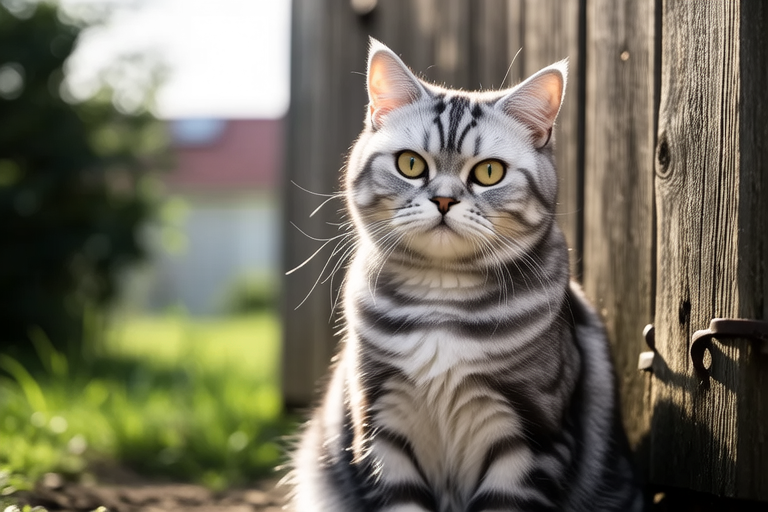
The American Shorthair’s popularity soared during the mid-20th century. In 1966, it was officially recognized by the Cat Fanciers’ Association (CFA), solidifying its place as a respected breed in the world of competitive cat shows. Its growing popularity can be attributed to several factors, including its adaptability, health, and striking appearance. The breed’s coat, which comes in a variety of colors and patterns, adds to its visual appeal, while its gentle nature makes it an ideal pet for families.
Breeding Practices and Genetic Diversity
The breeding practices of the American Shorthair have played a crucial role in maintaining the breed’s health and vitality. Unlike some other breeds that have faced genetic issues due to intensive inbreeding, the American Shorthair has benefited from a relatively diverse gene pool. This diversity has helped prevent the emergence of hereditary diseases and ensured that the breed remains robust and healthy.
Breeders have also worked diligently to maintain the breed’s original characteristics while improving certain traits. For example, efforts have been made to refine the breed’s muscular build and enhance its coat quality. These improvements have contributed to the American Shorthair’s continued success in both show rings and homes.
Another aspect of breeding practices involves ensuring that the American Shorthair retains its friendly and adaptable nature. This is achieved through careful selection of breeding pairs and ongoing evaluation of each generation’s temperament. The result is a breed that not only looks impressive but also behaves in a way that endears it to its human companions.
Enduring Appeal and Current Status
The American Shorthair’s enduring appeal lies in its balanced blend of physical attributes and personality traits. Its medium-sized, muscular body and short, dense coat make it a striking presence, while its calm and affectionate demeanor ensures it fits seamlessly into family life. These qualities have made the American Shorthair a favorite among cat enthusiasts and pet owners alike.
Today, the American Shorthair continues to enjoy widespread popularity. It ranks consistently among the top ten most popular breeds recognized by the CFA. Its success can be attributed to its versatility, adaptability, and overall charm. Whether as a show cat or a family pet, the American Shorthair brings joy and companionship to countless households across the country.
In conclusion, the journey of the American Shorthair from farmyards to living rooms is a testament to its resilience and adaptability. From its origins as a practical farm companion to its current status as a beloved household pet, this breed has demonstrated its ability to thrive in changing environments. Its enduring appeal is a result of careful breeding practices, genetic diversity, and a perfect balance of physical and behavioral traits. As we look to the future, it is clear that the American Shorthair will continue to captivate and delight generations of cat lovers.
